

The new plan focuses on harm reduction, education, and emergency response to build a safer campus during BC’s toxic drug crisis
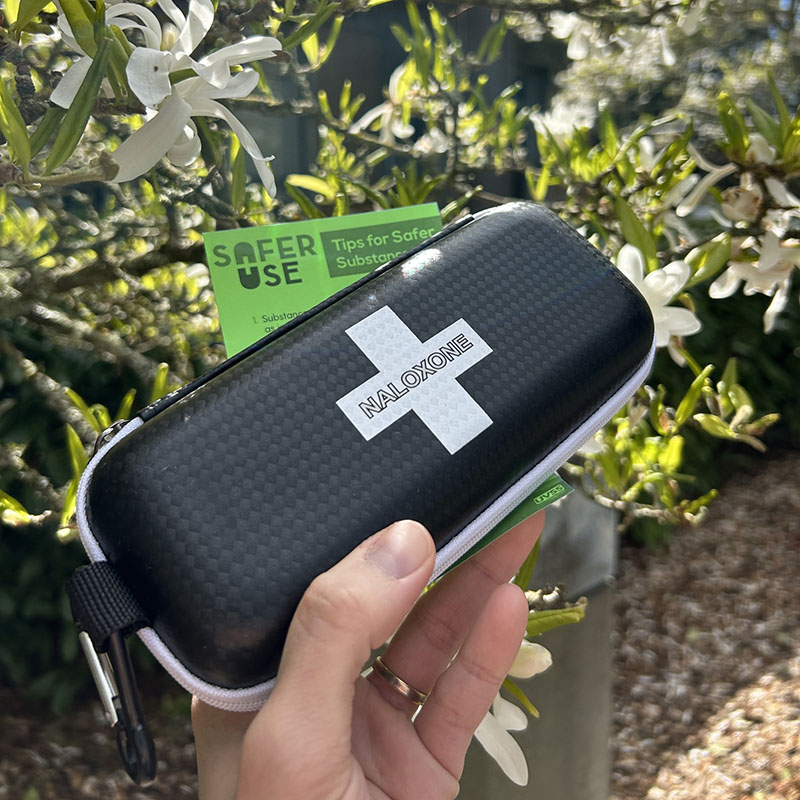
Photo via uvss.ca.
The University of Victoria has released a new Substance Use Health Strategy aimed at making campus safer amidst B.C.’s ongoing toxic drug crisis. The strategy, released on Aug. 28, 2025, comes after the death of first-year student Sidney McIntyre-Starko, who died after an overdose in January 2024. The investigation following her death highlighted gaps in UVic policies, and led to a public coroner’s inquest earlier this year, where a jury produced recommendations for UVic, various Ministries in the B.C. government, and B.C. Emergency Health Services.
“Universities and colleges across BC have work to do, collectively, to help safeguard our communities against the toxic-drug crisis. This point was painfully demonstrated by the fatal overdose of a first-year UVic student in 2024,” said Qwul’sih’yah’maht, Dr. Robina Thomas, UVic’s Acting President, and Dr. Elizabeth Croft, Vice-President Academic, in a statement released on Aug. 28, 2025.
The jury’s recommendations included creating safe, on-campus drug-testing services where students can have substances checked without fear of penalties. Though UVic’s website on harm reduction has linked a substance checking service on its website, the service is not run by the school, and is six kilometres away from campus. Additionally, the website notes that fentanyl testing strips are available at the Harm Reduction Centre, a volunteer-run location which is a joint effort between UVic and the UVSS.
Emergency opioid kits containing nasal naloxone and clear instructions were installed in residence buildings and across campus in the fall of 2024. Free naloxone kits are available at the Harm Reduction Centre and the campus pharmacy. Additionally, naloxone training has been offered by UVic nurses since 2017.
The Substance Use Health Strategy includes stronger emergency response measures. Signage has been updated, so that every building has a unique number to help first responders locate emergencies faster –– a major recommendation that came out of the coroner’s inquest into Ms. McIntyre-Starko’s death, which concluded in May 2025. The jury made this recommendation because it took a 911 dispatcher more than three minutes to identify which residence building Ms. McIntyre-Starko was in.
UVic’s webpage on overdose prevention and harm reduction explains signs of an overdose, including blue lips, slowed breathing, or unconsciousness, and advises students to call 911, then campus security if they notice these signs. It also states that the Good Samaritan Drug Overdose Act –– a piece of federal legislation in Canada –– protects people who call for help from being charged for drug possession.
Another key part of the Substance Use Health Strategy is education. UVic says they will build harm reduction and crisis response training into student orientation and staff onboarding. The goal is to make sure everyone on campus has the knowledge and confidence to recognize an emergency and respond quickly.
The university says there will be opportunities within the campus community to engage in open, judgement-free conversations about substance use. This falls under a guiding principle of the strategy, to destigmatize substance use. The university hopes this approach will build a more informed and supportive campus culture, where students feel safe to reach out for help.
The strategy also sets out a crisis response protocol, aimed at ensuring individuals know what to do and who to call in case of an incident. Trauma-informed counselling and peer debriefing will be offered after emergencies, so that students and families can get the care they need in the days that follow.
Partnerships are a pillar in this strategy. UVic says they are working with Island Health, Indigenous-led services, and community groups to connect students with support. Peer-led initiatives are to take place on campus, giving students the chance to learn from those with lived experience. Trauma-informed counselling and peer support will also be offered after emergencies to help students and families recover.
The strategy is designed to keep changing over time. UVic plans to track its progress and share updates publicly, while also continuing to invite feedback from students and staff. The university says this flexible approach will help the plan stay relevant as the drug crisis evolves.
The toxic drug crisis was first declared a public health emergency in B.C. in 2016, and continues to claim thousands of lives each year. UVic leaders say the university has also been directly affected, and that the loss of Ms. McIntyre-Starko in 2024 made it clear that urgent action was needed.
UVic says that the new plan reflects the school’s values of equity, compassion, and community care, while drawing on principles of Indigenous wellness.
“Together — and guided by [the Substance Use Health] Strategy — we can support a caring, safer campus through harm reduction, education, resources, and enhanced support,” the university said.