

As Tofino makes history with a ban on single-use plastic water bottles, UVic is well positioned to follow suit with a pilot program
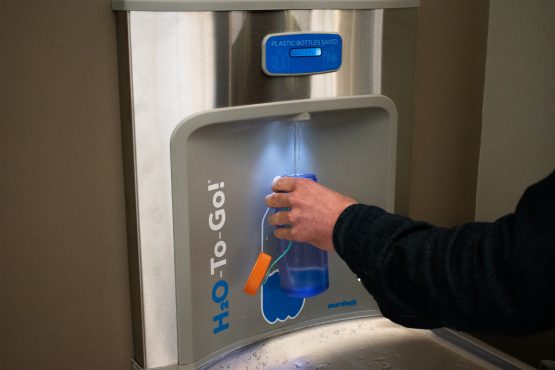
Photo by Julia McClintock.
In August, the District of Tofino made history by announcing what the municipality says is Canada’s first ban on the sale of single-use plastic water bottles that are one litre and under. The ban comes into effect on April 22, 2026 — lining up with Earth Day — and includes exceptions for bulk sales and emergencies.
The harms of single-use plastic are well documented. Plastic water bottles are consistently some of the most common items collected during shoreline clean ups, with 60 000 having been recovered from beaches on Vancouver Island since 2015. Once lost to the ocean, bottles choke marine life, contaminate food webs, and break down into microplastics that have been found in human organs such as the liver and placenta.
Plastic pollution also contributes heavily to the climate crisis. In 2019, plastics accounted for 3.4 per cent of global greenhouse gas emissions, with most of these emissions coming from fossil fuel-based production of new plastics. Without intervention, the plastics industry could be responsible for 20 per cent of global oil consumption and up to 15 per cent of global carbon emissions by 2050.
The federal government has recognized this crisis. Canada banned several categories of single-use plastics in 2023, and says it aims to achieve zero plastic waste by 2030. Unfortunately, progress has been slow, leaving change to happen at a municipal level. Municipalities like Leaf Rapids in northern Manitoba, as well as Montreal, Quebec, and Banff, Alberta have led the way by introducing bans on specific single-use plastic goods, such as cutlery or bags, and implementing by-request policies — mandating that restaurants only give out single-use items when requested.
As some municipalities continue to step up, other communities, like universities, have an opportunity to join them. With the university’s access to resources, there’s no excuse not to; What Tofino has accomplished on a municipal scale, UVic could pilot on a campus scale.
UVic is uniquely positioned to lead this change. The campus already has a strong culture of sustainability, and the infrastructure needed to support a transition away from bottled water. There are 89 refill stations on campus, offering students free, clean water. With initiatives like the Eco-Box, a reusable cup pilot, compostable utensils, and the elimination of plastic bags, UVic has already built a strong foundation for reducing single-use waste.
On top of that, UVic has committed to its Climate and Sustainability Action Plan 2030 and earned a Platinum rating — the highest level rating — from the international Sustainability Tracking, Assessment, and Rating System (STARS).
In other words, the framework is already laid. What’s missing is the next step: a pilot program banning the sale of single-use plastic water bottles on campus.
A pilot program at UVic makes sense because it is practical, controlled, and data-driven. UVic could start by phasing out bottled water sales in primary food outlets — the Cove and Mystic Market — for six to 12 months. Data measured could include how many bottles are displaced, and the university could survey student, staff, and community reactions to see if the current refill stations meet demand.
According to UVic, “Any move toward a total bottled water ban would require collaboration with multiple stakeholders,”including a number of UVic offices as well as student groups. This adds a layer of complexity to implementing a pilot program, but doesn’t make it impossible. With the collaboration and cooperation of different groups and organizations including student groups, University Food Services, and other campus partners, a pilot program is realistic based on the university’s current infrastructure.
Like Tofino, UVic could allow exemptions for emergencies. With strong communications such as signage, social media, or even a “bring your own bottle” campaign, the pilot could also educate the community and build momentum toward a full ban.
With this being said, the environmental impact that comes with the production of a reusable water bottle is significantly larger than that of a single-use plastic water bottle. This doesn’t mean that it is a bad option, it simply means it must be used consistently to even out the impact. Reusable water bottles are designed for just that, to be reused. They are durable and can last years, allowing for many uses over time.
Though bottled water is convenient, especially for busy students, our infrastructure already solves that problem. With dozens of refill stations, students would save money by switching to reusables. Because UVic is already a recognized leader in sustainability, this pilot would demonstrate that the university is doing more than meeting provincial regulations — it’s pushing ahead of them.
Tofino has shown bravery and leadership in implementing a ban on single-use plastic water bottles. UVic should follow that example, and become the first Canadian university to test a ban through a pilot program. On Earth Day 2026, when Tofino’s bylaw comes into force, the UVic community could be celebrating alongside them not only in spirit, but in action.