
An Offbeat by CFUV review
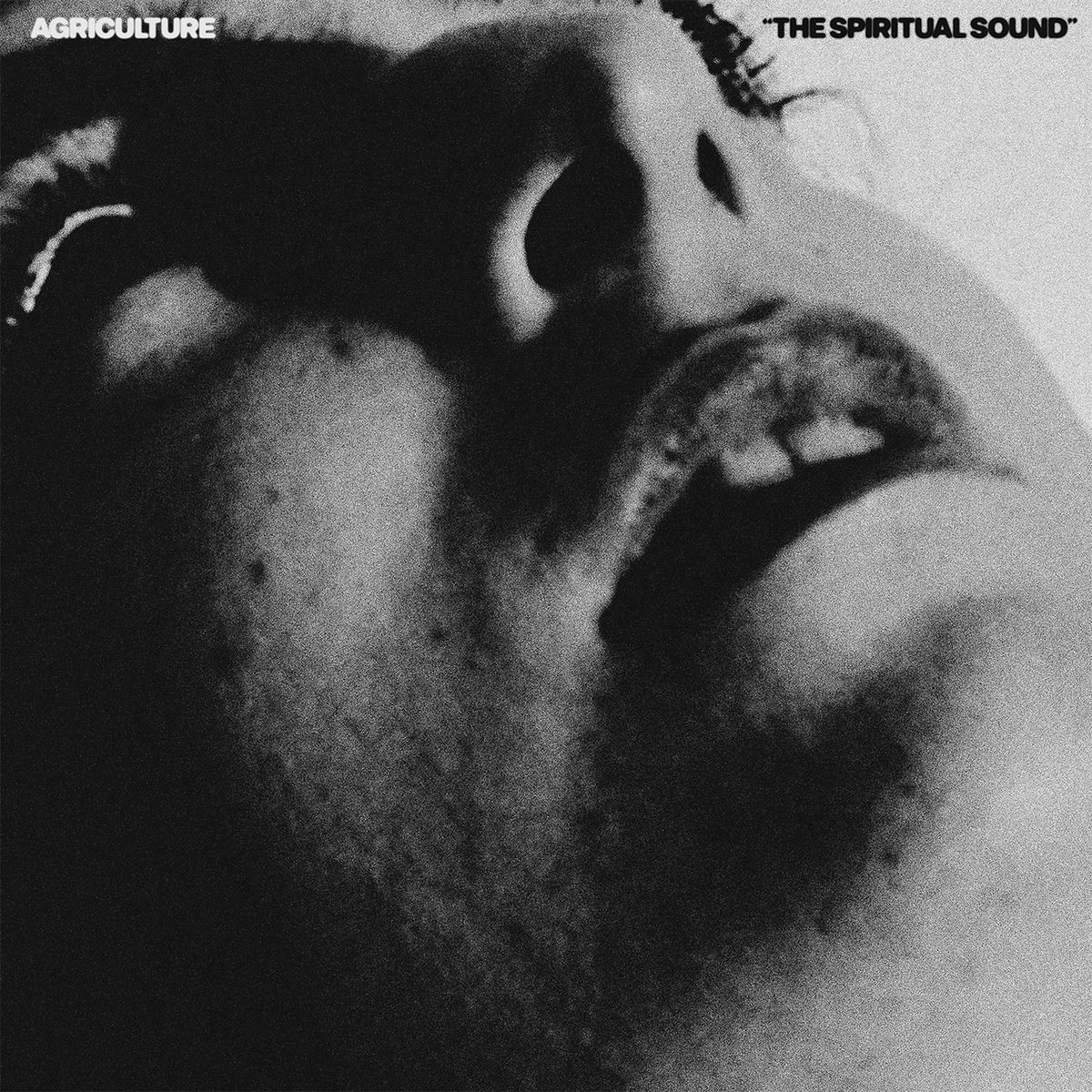
Album cover by Leah B. Levinson.
Once upon a time, Black Metal was the hipster’s extreme music du jour. A bespectacled slowcore frontman draped in a Filosofem shirt was par-for-the-course. Then along came Deafheaven — a perfect portmanteau of Black Metal’s pounding blast beats and Shoegaze’s abysmal ambiance. It wasn’t made for the esoteric OGs of Black Metal — it was for fans of Beach House. Deafheaven splintered the ensuing Black Metal scene; metal valour had been stolen by a vegan-in-corpse-paint brand of ‘hipster black metal’ (a real term thrown around on forums in the early 2010s to castigate the Indie-friendly black metal championed by Pitchfork at the time).
Nowadays, Black Metal has splintered even further; its pioneers have been rightfully cancelled, while its followers argue over how historically sketchy the politics and behaviour of their idols have been. Any left-leaning metalhead speaks in hushed tones about Black Metal now; you never know who might be a Nazi sympathizer. Once-championed progenitors like Burzum, Hate Forest, and Graveland’s national socialist proclivities ring too true in the climate of today, and band-after-band’s legacies have been dismantled and destroyed. Now, as the edgy sensibilities have fallen by the wayside, a new radical Black Metal is upon us — one which exchanges hateful brutality for joyous acceptance.
Los Angeles-based black metal band Agriculture has been placed in the “Red and Anarchist Black Metal” (RABM) scene, which was pioneered by the crust-punk tinged Victoria band Iskra in the early 2000s. Iskra wore their political-heart on their sleeve: openly calling for the destruction of governments, religion, and capital structures, and largely carrying themselves in a stand-offish and unapproachable way.
For better or for worse, Iskra operated in the negative, with an exclusionary, didactic edge. As Dan Mayer mentioned in an interview with Sun 13, Agriculture differs from other metal bands in their disinterest in the rhetoric of “big gestures” and fantasy, finding inspiration instead in “quotidian life.” While globally minded, anti-facist music has never resonated more, the “fuck George Bush” misanthropic rhetoric of Iskra has felt less effective. On the other hand, Agriculture’s radical Black Metal styling put forth love, community, and spirituality, not just in interviews and in lyrics, but in the music too. Agriculture’s music suggests even the most grim, aggressive, fantastical sounding genres have room for interpersonal joy.
Agriculture’s second LP, The Spiritual Sound, weaponizes the assault-like atmosphere of Black Metal to produce a sonically diverse, ‘post-metal’, and often beautiful record. Unlike their debut, which owes much more dues to Black Metal tremolos and power chords, this album revels in heroic guitar solos, metalcore breakdowns, and dream-pop melodies. From the opening track, “My Garden”, The Spiritual Sound seamlessly weaves together non-metal genres in the vernacular of Black Metal.
Rarely, however, does Agriculture revel in the brutality so present in extreme music. Lead guitars bask in jovial pentatonics and major scale ascensions. The production sounds full and clean, rather than barren and evil. Dan Meyer and Leah B. Levinson’s harsh vocals sound almost articulate — noteworthy in a genre that has never been known for its diction.
While the first half of the record plays like a deconstructed, kinder Jane Doe, the latter half plays like a sonic manifesto, expounding the jubilation of extreme music. The sullen folk track “Hallelujah” culminates in ecstatic blast beats, while “Dan’s Love Song”, an interpersonal shoegaze ballad, glides into a tremendous tapestry of extreme music with “Bodhidharma”, which sounds like Björk, Wolf Eyes, Deftones, and Botch fighting for a spot on stage.
As cinematic and enormous as The Spiritual Sound is, its feet never quite leave the ground; these are people concerned with people, even if they get there by way of Zen Buddhist folklore and imagery of ancient mountains on fire. The anarchy of Agriculture is in their form — both because of their non-adherence to the conventions of genre, but also their transfiguring of brutality into exaltation. Agriculture’s metal is not didactic; nor is brutal and difficult; it is simply meant to be felt.