
“All they want to do is have access to their land and to live in peace here”
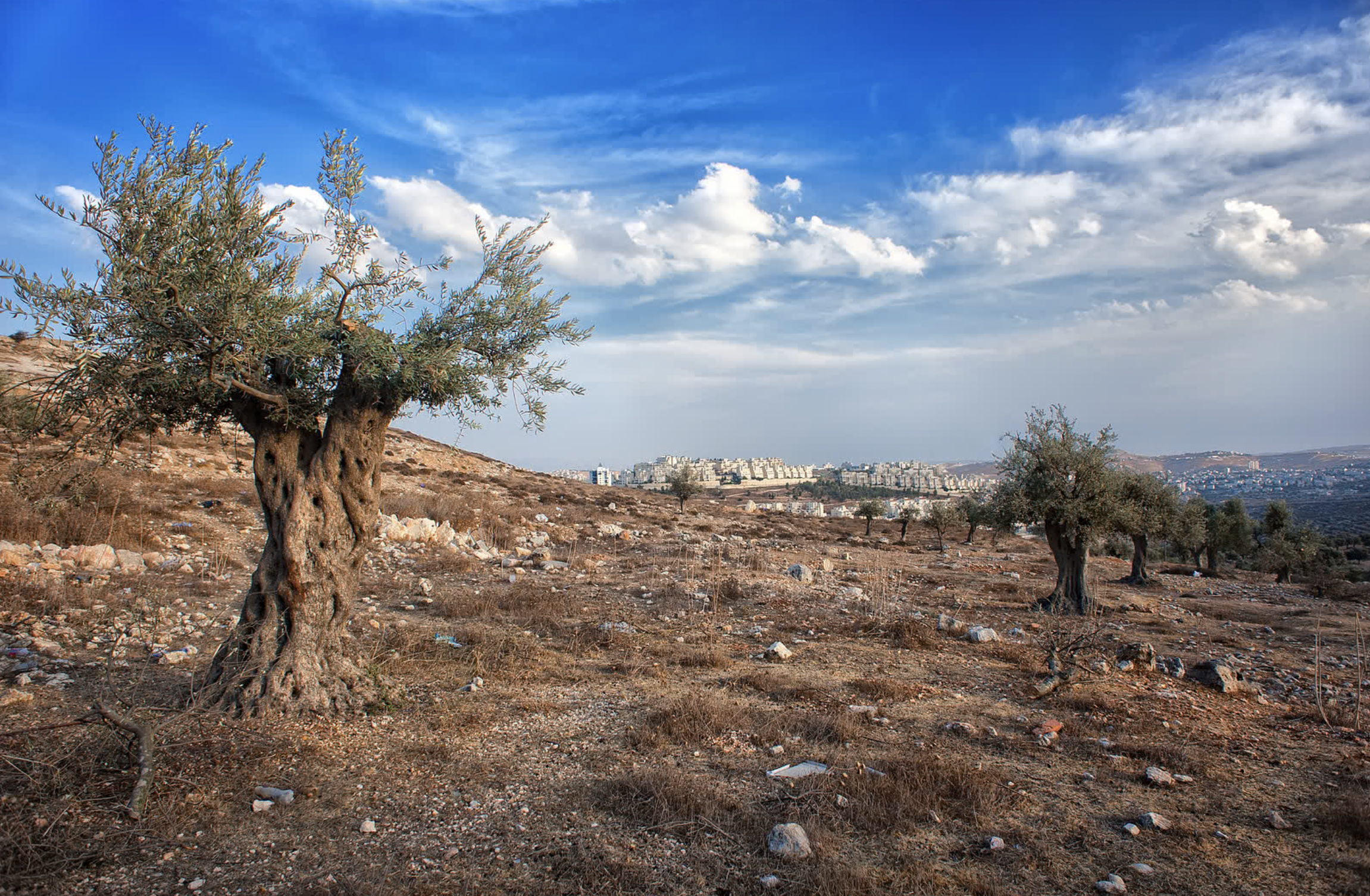
Photo via the Olive Oil Times.
*This article contains reference to violence and threats of violence. Names have been changed and identifying information has been omitted to protect the privacy and safety of those interviewed.
On the first day of the olive harvest in the West Bank, Alex, a UVic graduate student, was tear gassed.
The student, who has asked to remain anonymous, struggled alongside their fellow volunteers to harvest the rest of the olives from the tree they were on, “but it was impossible,” they said. The effects of the gas came on quickly as they started coughing and were temporarily blinded.
“My mom can’t wait until I get home,” said Alex.
Inspired by a need to show their solidarity with Palestinian farmers and learn for themself what it’s like on the ground in Palestine, Alex set off to join a team of volunteers working in a local olive grove during the harvest season in the West Bank, which lasts from October until early November.
Alex has spent time studying both food sovereignty and the barriers Indigenous populations face in accessing their own food, lands, and stewardship practices, so this opportunity was especially important.
“The occupation forces, the Israeli government, they really do not want internationals here because what that provides then is witnesses … and we can bring the stories home,” said Alex. “I’m really trying to stay focused on what I can physically do here in this time period … but, there’s no way that the things I’m experiencing and seeing here won’t influence my future work.”
The day the group was teargassed was their second meeting with Israeli settlers in the West Bank. Not even an hour before, a group of settlers had visited the farm to threaten the owner, saying they would return later that day and “shoot him dead.” When the settlers did return, members of the Israel Defense Forces (IDF) — the military force of the State of Israel — came with them. From a mere 30 metres away, they shot tear gas at the community members who were harvesting the olives.
Although this is the only direct violence Alex has experienced so far, they said that these sort of attacks are regular occurrences.
Palestinian farmers currently face blockades to their own lands and are frequently met with violence and threats for simply stewarding their groves, whether olives or vegetables. These threats take the form of verbal harassment, intimidation tactics, physical violence, and “arbitrary raids,” according to Alex. The tactics carried out in the West Bank have been used elsewhere, with dramatic consequences. As of November 2024, 67.6 per cent of Gaza’s cropland had been effectively wiped out by the Israeli government’s increased bombardments.
“They basically don’t need a reason,” said Alex, about the settlers who often threaten or carry out violence against the locals. Alex said the sense on the ground is that these settlers are a terrorist force.
Israeli settlements in the West Bank, Gaza, and the Golan Heights are illegal under international law — a ruling that the International Court of Justice (ICJ) reaffirmed in a 2024 advisory opinion. Near towns like where Alex is, large settlements are common, but smaller “outpost” settlements are becoming more prevalent as well, as settlers aim to expand their presence.
In an effort to de-escalate some of these tensions, international volunteers have shown up to aid in the olive harvest. Added hands on the farm seems to help stave off violence, however the volunteers themselves often face issues of deportation and surveillance.
While their presence can de-escalate some of the violence, it can also bring more threats to Palestinian farmers. Often, farmers are discouraged from working with the international volunteers. Some are blocked from accessing their own land or face revocation of their ability to harvest unless they agree to work without the volunteers, Alex said.
The displacement of Palestinians and threats to land rights have been taking place since the Nakba — meaning ‘catastrophe’ in Arabic — the forced displacement of hundreds of thousands of Palestinians in 1948 during the Palestine war. Denial of rights, displacement, and land confiscation have become widespread and continue to this day.
“Part of why I wanted to come is because there is such a culture of silence around the mere topic of Palestine in Canada, [and] in other countries, but especially in our educational institutions,” said Alex. “I realized after experiencing some silencing of my own work on the topic … I wasn’t getting the education that I am paying to get from UVic ”
Before arriving, Alex had some reservations about working the harvest, but all of them have since been dashed by their largely positive experience so far. “I’m not surprised that the people here are wonderful,” Alex said. “They are gracious and generous with their time to tell their stories and the food they feed us … all of that has been this amazing bonus to the amazing things I get to experience here in solidarity and alongside the Palestinian farmers and their families.”
While Alex has experienced some fear and discomfort with the proximity to violence and the threats from settlers, they understand that their fears are temporary compared to what others have to deal with for a lifetime. “If there is anything that I am providing that lessens that reality, for even a little bit,” said Alex, then it is worth it to them.
“All they want to do is have access to their land, to live in peace here, and to be left alone by military forces.”