
Photo by Luisa Dela Cruz.
Many students struggle with food security while attending university, but students with celiac disease, and other severe intolerances to gluten, face even greater challenges trying to eat on campus due to the risk of cross-contamination.
Celiac disease is a genetically predisposed autoimmune disorder, commonly mistaken as a food allergy. For those with celiac, the protein called gluten — found in barley, wheat, and rye — damages the intestinal lining of the gut, resulting in long-term effects. According to the Celiac Disease Foundation, even those who only experience mild celiac symptoms can suffer severe intestinal damage and long-term complications.
According to Health Canada, long-term complications of untreated celiac disease can include osteoporosis (a weakening of the bones), lymphoma (tumors arising in the lymph nodes), and infertility. Celiac disease can present in over 216 ways, resulting in frequent misdiagnosis and a low diagnosis rate of 15 per cent.
Despite offering gluten-free food, UVic cannot guarantee there is no cross-contamination, leaving students with celiac disease without safe on-campus options.
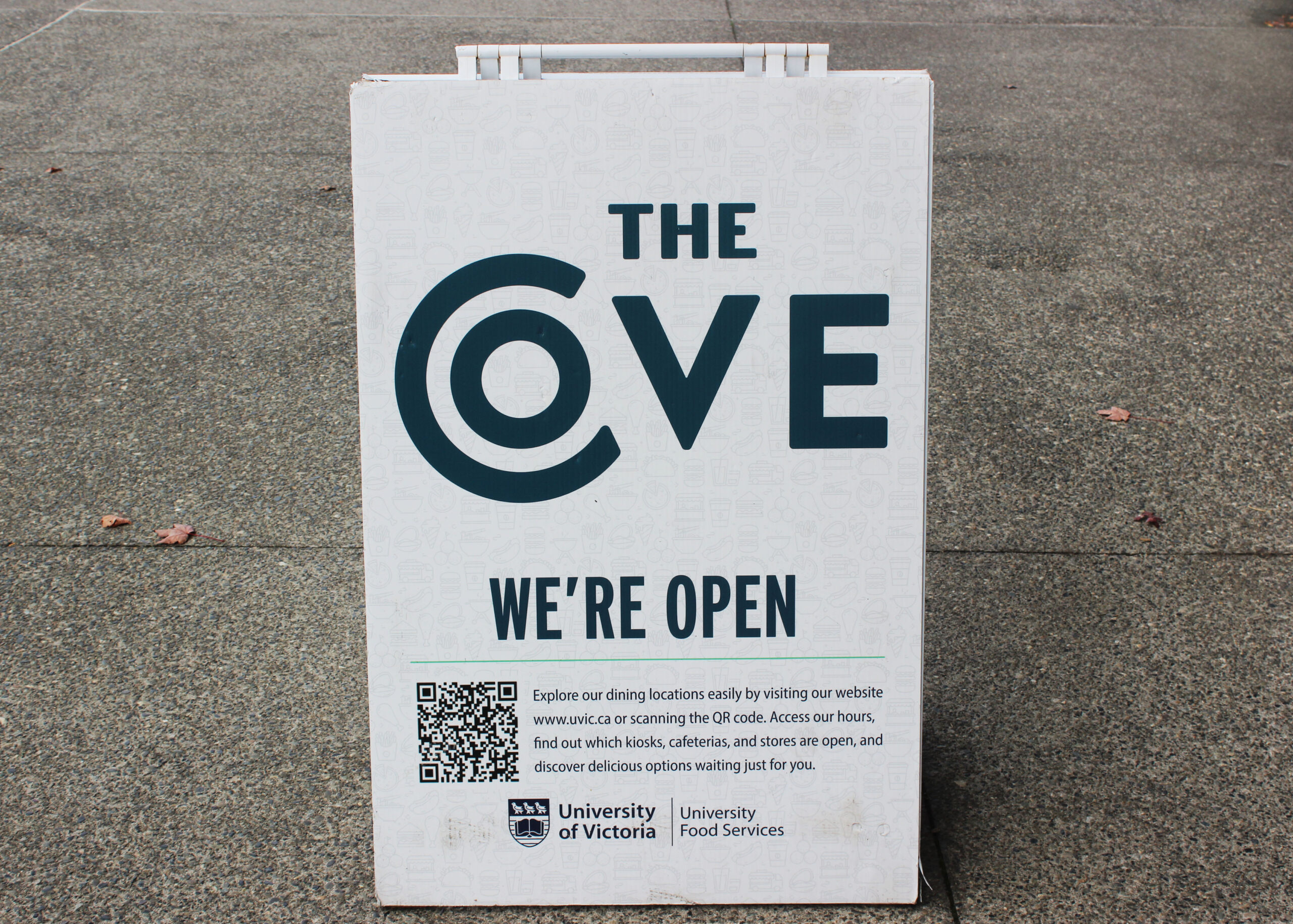
“Sharing food is a big part of campus life, and I was never able to sit down at the cove, mystic market, or Felicita’s Pub and have a meal with my friends,” said Poppy Taylor, a UVic alumna, in an emailed statement to the Martlet.
“Feeling left out of social events at the school was a pretty big part of my [campus] experience, including events like cookie/baking decorating and campus kickoff events such as the pancake breakfast.”
On the university’s website, UVic Food Services said it is not recommended for students with celiac disease to sign up for the meal plan since UVic cannot guarantee there is no cross-contamination.
However, this message may not be apparent to some students when applying to the university.
“Once I signed up for the meal plan I was required to send in all of my food restrictions and once I did, they messaged me back … and they explained [that] I would be okay because they had a lot of options,” alleged a first-year economics student, who spoke with the Martlet on the condition of anonymity.
“It was never really communicated that this wasn’t a good option for me, and that I would be better in cluster.” Cluster housing is a type of on-campus housing option comprising four-bedroom apartment and townhouse units with a shared kitchen. Students in cluster housing are not required to purchase a meal plan.
In response to a request for comment, John Thompson, director of university food services, reiterated that “Food Services locations are not allergen-free and we cannot guarantee against cross-contamination with gluten.”
“We communicate clearly, including on our website, that we do not recommend students with celiac disease participate in the meal plan,” he continued.
Fourth-year writing student Olivia Larsen said the university offered for her to live in cluster housing, which allowed her access to her own kitchen.
“You do have this kitchen, but you’re still a little bit stuck because if my kitchen’s empty, my fridge is empty … I would kind of just crack and go eat at the Cove anyway, even though I knew that [UVic is] not super confident in their ability to provide food that isn’t cross-contaminated,” Larsen said.
“My experience living on campus with celiac wasn’t great. There is not a single celiac safe place to get food on campus. There are gluten free options, but I was always told there would be cross contamination in these options,” Taylor, the alumna, said.
Though UVic cannot entirely prevent cross contamination, the university has taken some steps to make campus safer for those with allergies and dietary restrictions.
“Our Campus Dietitian [Leanne Halligey] has also worked with other campus Dietitians and Celiac Canada to develop a Celiac Disease Support Guide for Post-Secondary Dining. We want all students to enjoy their campus experience, and food is an important part of that experience,” Thompson said in an emailed statement.
Thompson said UVic Food Services has a Standard Operating Procedures for allergies, intolerances, and dietary restrictions, and that the university “encourage[s] students to participate in the process by being vigilant and asking questions about the food, ingredients and cooking/holding procedures.”
However, some students with extreme sensitivities to gluten like celiac say they continue to feel unsupported and let down in some interactions with staff.
“I have to teach [the staff] that they should change their gloves if I tell them I have a gluten allergy, or I have to teach them they can’t use the same knife if they’re cutting bread that has gluten [in] it, and then they cut mine,” the economics student alleged.
Thompson said in his statement that UVic staff “are trained in food preparation, serving, communication and cleaning/sanitation to lessen the chances of cross-contamination.”