
What to do in advance of, and during, an earthquake, according to UVic’s emergency planner
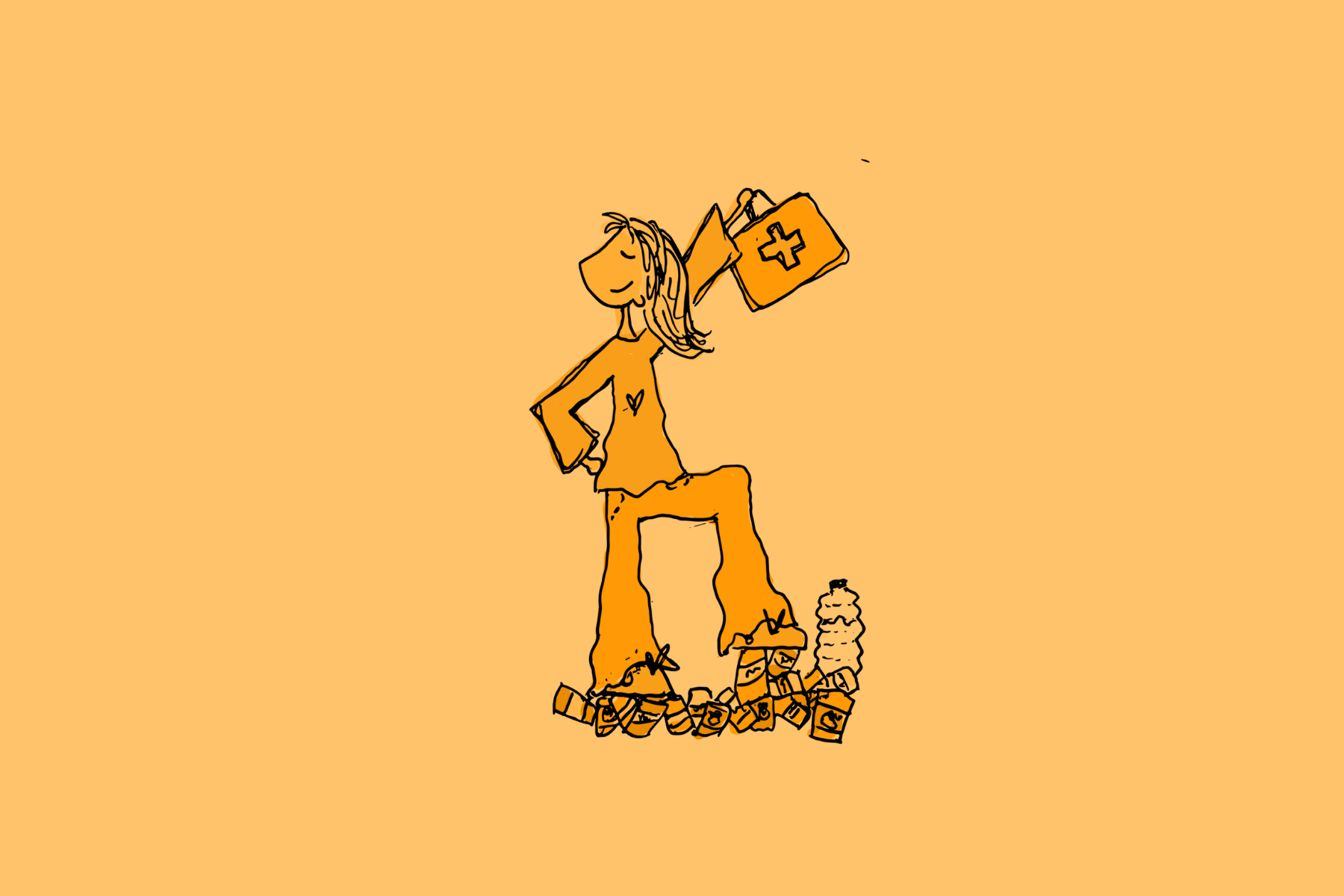
Illustration by Sage Blackwell.
If you’re new to Vancouver Island, you may not have heard of “The Big One” — a massive earthquake that is predicted to occur on the Pacific Northwest coast at some indeterminate point in the future. You may not even be aware that Vancouver Island is in an earthquake zone, let alone what to do if an earthquake occurs. It’s never too early to be prepared though, and Rob Johns, the manager of emergency planning at UVic, has some important tips to share with students.
According to Johns, the main thing to keep in mind during an earthquake is to “Drop, Cover, and Hold On.” Drop to the ground, cover your head, crawl to nearby cover to protect yourself from falling debris, and stay in place until the earthquake passes. Prepare Yourself: A Guide to Emergency Preparedness in the Capital Region — as organized and collated by the CRD, and available at prepareyourself.ca — recommends staying in place for 60 seconds after the shaking ends.
UVic’s campus evacuation procedures instruct those on campus to stay in place until an earthquake ends, then evacuate buildings when it is safe to do so, avoiding elevators, and not re-enter buildings until the authorities have cleared them for re-entry.
UVic’s website features a campus evacuation map which designates the Campus Earthquake Assembly Area (in the fields near CARSA) and additional holding areas behind the Visual Arts building, Commonwealth Village Cluster Housing, and the Lam Family Student Housing Complex.
The university’s procedures call for relocating to the Earthquake Assembly Area if an earthquake causes significant shaking, visible damage, lasts for more than 30 seconds, or if a UVic alert says to head to the Area.
UVic’s emergency planning website says Ring Road is the safest route to CARSA or other holding areas.
When planning for an emergency, specifically for an earthquake, Johns recommends what he calls a “Home Hazard Hunt” in places you live, work, or spend a significant amount of time.
“What you can do is to go into each room in the space you live in and ask yourself the question, ‘If I was here, and an earthquake happened, is there anything that would move and land on me that would cause me injury and harm?’” These can include things like bookcases, ceiling tiles, and cabinets. “Anything that can move or come off a wall or a ceiling that can land on you is something you’ll want to consider moving,” Johns said.
As an example, Johns explained that he doesn’t sleep with a large picture above his head, and keeps hallways free of bookshelves. For renters who can’t fasten items like bookcases to the wall, Johns recommends keeping heavier items on the lower shelves of bookcases to keep the centre of gravity low. If there’s a specific place in your home you spend the most time in for studying or relaxing, make sure that location is as earthquake safe as possible.
If you’re in a public space, such as a grocery store, library, or gym, Johns recommends keeping an eye out for locations where things could fall on you. For grocery stores and libraries, Johns said, it’s safer to get to the end of the aisle, away from the shelving.
If you’re outside, again, anything can fall on you. Johns recommends staying away from buildings if you can, as well as power lines, trees, and roads where vehicles are driving.
For emergency supplies, students should gather basic supplies, such as extra food, that can be put away and then replaced every semester. Also needed is water, and some way to prepare the food you’ve stored — alternatively, collecting food items you can eat cold, in case grocery stores aren’t available. Another necessity is a basic first aid kit to care for cuts or abrasions.
After an earthquake, it’s important to avoid downed power lines. It’s recommended to give them a berth of one bus length and assume they are live, even if there’s a power outage in the area.
Earthquakes can also cause water mains to burst — if you see water on the road, it may be concealing a hole, so don’t walk or drive over it. Be aware as well of natural gas leaks, which can be indicated by the smell of rotten eggs or sulfur, or a strong hissing sound. Travel away from the leak, but don’t travel downwind, as it can still be dangerous.
For easy access to resources, students can download the UVic Safety App, which includes information on emergency procedures, websites, and phone numbers if students need quick access to information.
“I’m also a firm believer in community…. Being friends with people that you live with or live nearby, those are people that can help you if you’re home,” Johns said. “And then being friends with people in your classes, they’re the people who could help you when you’re at school if you need assistance.”