
BC currently charges the lowest industrial water rates in Canada. Critics argue that needs to change
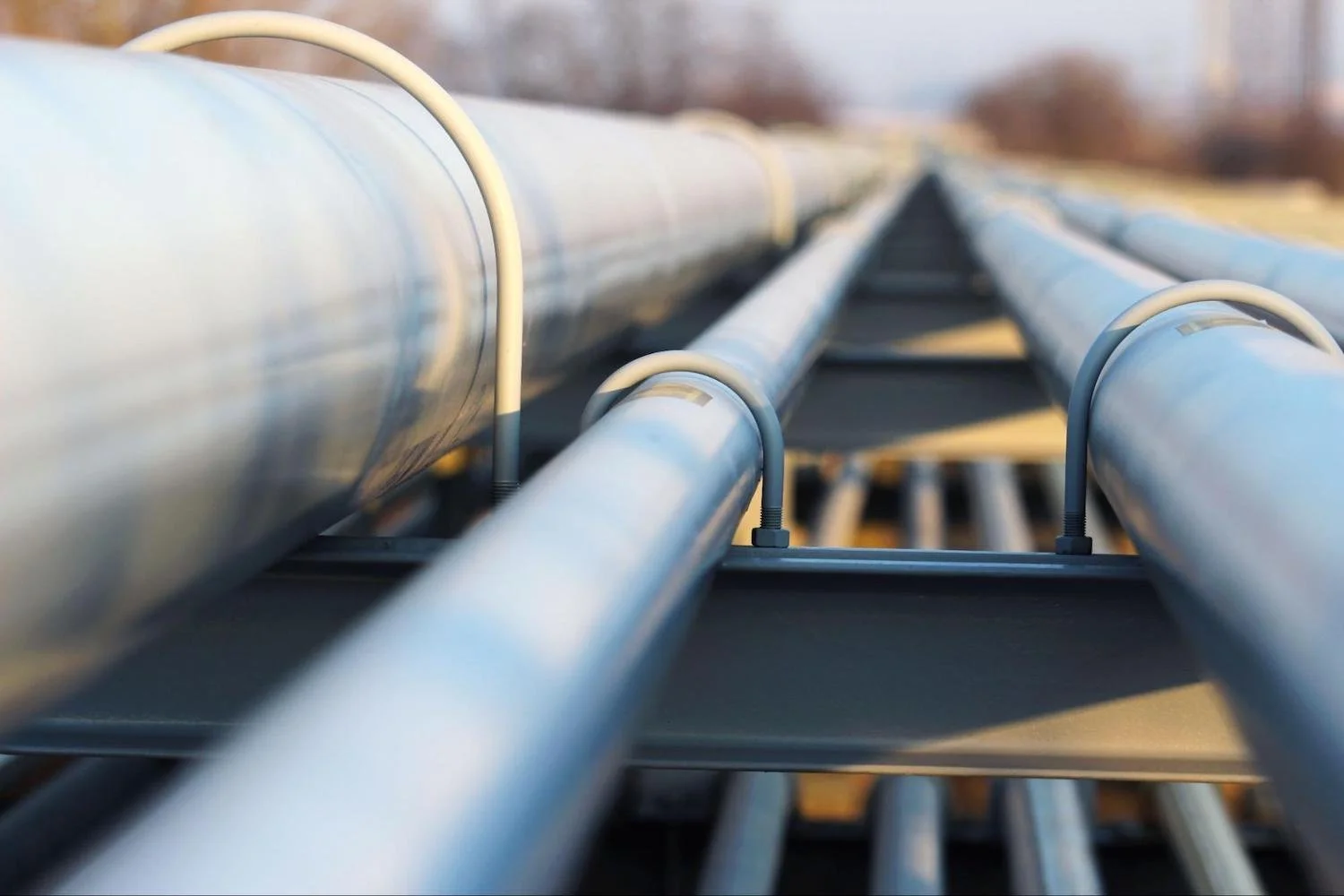
Photo via American Pipeline Solutions.
On Oct. 14th, Dawson Creek declared a state of emergency. The Kiskatinaw River, the city’s sole source of water, reached record lows after four straight years of drought.
On Oct. 29th, the state of emergency was extended, with city officials reporting concern that if the river freezes, Dawson Creek will have to rely on reservoirs, which could last up to 180 days. Dawson Creek is looking to the province to secure a $100 million water pipeline, which would provide a stable source of water for its population of 15,000.
According to an October 2025 report by the B.C. Watershed Security Coalition (WSC), B.C currently charges the lowest rates for industrial water use in Canada at $2.25 per million litres, while Nova Scotia pays $179 per million litres, and Quebec pays $155 per million litres. The B.C. WSC argues that increasing the charge on industrial industries for water usage can help manage B.C’s water, especially in the face of longer droughts and declining watershed — an area of land that drains into rivers and lakes, which then flow to a common outlet — health.
The report highlights the economic strain of climate disasters, citing the $17 billion loss during the Fraser Valley floods in 2021, and the widespread cattle and crop losses during the 2023 drought. It is becoming increasingly clear that fresh water is not a limitless resource.
And industry demand for water is rising.
According to the B.C. Energy Regulator’s public filings, oil and gas companies withdrew a total of 3.6 million cubic metres of water in 2017. By 2024, that number jumped to 9 million cubic meters. These companies use water for seismic or geophysical exploration, hydraulic fracturing, drilling, machine washing, water floods (to enhance oil recovery), dust control, ice road freezing, and hydrostatic testing of pipelines.
The Coastal GasLink (CGL) pipeline is planned to stretch across northern B.C., running from the Dawson Creek area to a facility at Kitimat to be converted to liquefied natural gas (LNG). According to CBC, the finished pipe was installed on Oct. 27, and the project is currently in its second phase of construction, despite hereditary chiefs arguments that Wet’suwet’en territory, which the pipeline cuts through, was never ceded.
The CGL pipeline was fined $346 000 in 2023 for erosion and sediment control issues during the construction, and for providing false information in inspection records. The LNG Canada export facility is still under construction.
In a time when droughts are becoming more frequent, can B.C. afford to invest in projects, such as the LNG pipeline, that consumes great quantities of water?
In 2019, Watershed Watch reported that approximately 63 per cent of B.C.’s population lives in water-stressed areas. More recently, a study published in Science in January 2025 found that droughts are not only increasing, but multi-year droughts (MYD) are becoming more devastating, and NASA reported that 2024 was the hottest year on record.
The B.C WSC estimates that $50 million to $100 million in funding annually is the minimum required to meet B.C.’s growing watershed security needs, which it admits is a conservative estimate in the wake of climate change’s accelerating effects. Stand.earth, in an October 2025 report, also called on the B.C government to increase industrial water rates.
The organization recommends that higher rates be applied to water users who do not return all the water they withdraw from the water cycle through permanent damage such as pollution.
Currently, B.C.’s watershed needs urgent support. As droughts increase in frequency, we can’t afford not to do anything, or to invest in industrial projects that require high water usage to maintain, while people’s access to enough clean drinking water is at stake.