
The drop-in discussion group offers masculine-identifying people a space to listen, get advice, and unlearn potentially harmful ideas
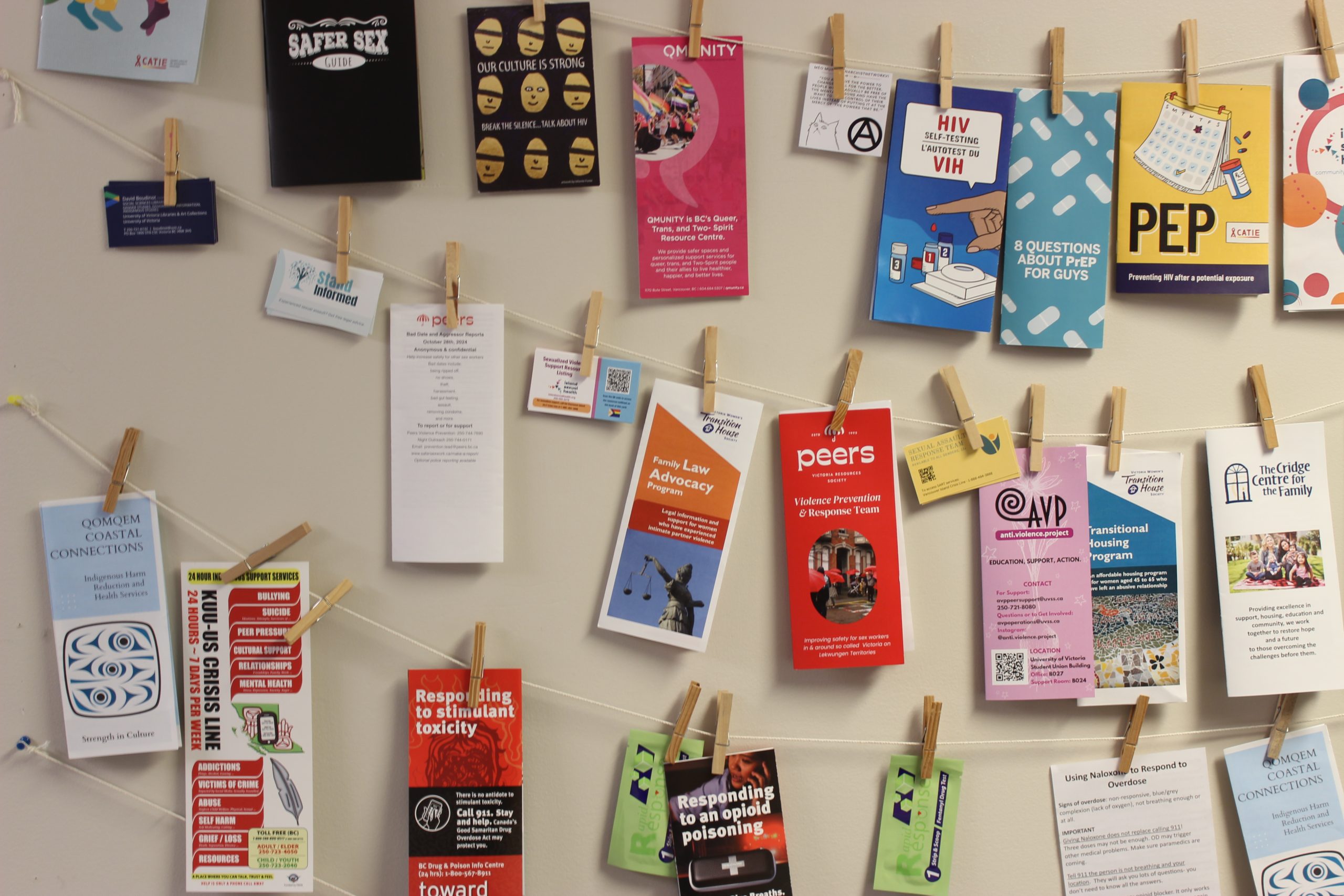
Photo by Sona Eidnani.
Have you ever asked yourself what consent means?
Consent is an agreement to a situation, given by someone who is free, and able to choose without coercion and able to clearly communicate their feelings. However, individuals comprehension of consent can vary, making it an important topic of conversation. That’s why the Anti-Violence Project (AVP), a UVSS affiliate-turned-service group, provides consent workshops and resources to the students at UVic. AVP states it is committed to addressing sexualized and gender-based violence on campus.
Their resources and groups provide a space for students to learn about violence prevention in a progressive, non-judgmental way.
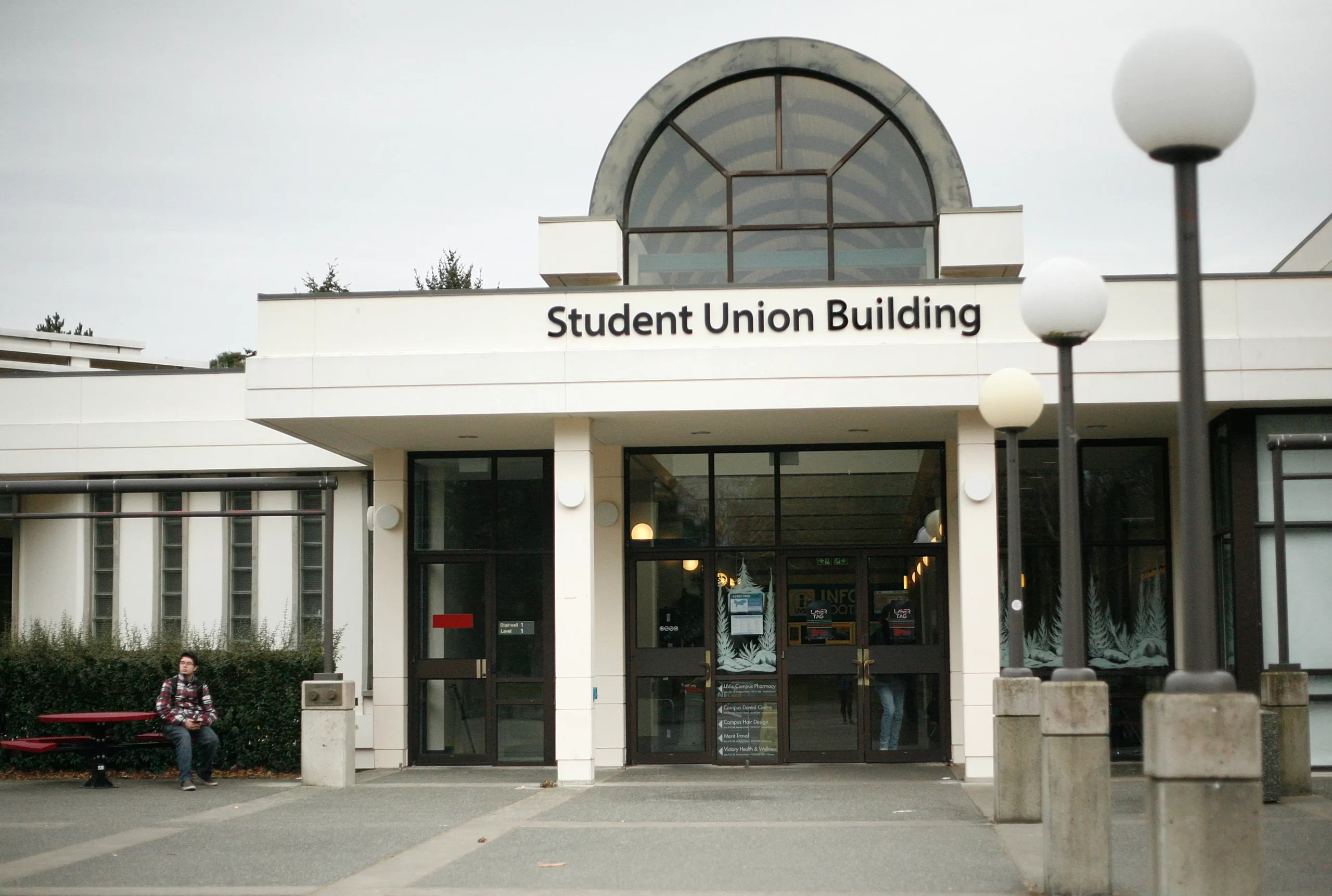
The Men’s Circle is one such resource, which aims to deconstruct toxic conceptions of masculinity and facilitate conversations surrounding consent, boundaries, and healthy sexuality for masculine-identifying individuals. The group is held weekly on Thursdays from 6:00 p.m. to 8:00 p.m. in room B025 in the SUB. Snacks, drinks, and bus passes are offered for the attendees, who are invited to drop in and listen to or participate in discourse involving healthy masculinity and men’s health.
“We all have [the] capacity to hurt people,” Carl Haynes, the Men’s Health and Wellness Coordinator for AVP, said in an interview with the Martlet. “Some parts of hegemonic masculinity that lead men to hurt people are linked to the parts that lead men … to isolate themselves — to not share how they are feeling.”
Haynes said the way someone who commits sexual assault is raised is crucial to understanding rape culture as a whole. We must consider how consent is being taught, and what young people think about their participation in sexual activity, to address the pervasive issue of sexualized violence.
Before Haynes’ involvement with AVP, he was on the UVSS Board of Directors, where he took part in AVP’s workshops on supporting survivors of sexualized violence and consent.
In his second year at UVic, Haynes witnessed a friend sexually assault another one of his friends. In the aftermath, he became a close support person for the survivor. He said his training with AVP shaped his ability to show up for the survivor, while they navigated the long-term impacts of sexualized violence.
Understanding firsthand how sexual assault can impact a survivor sparked curiosity in Haynes. He began to consider what he missed in his friend leading up to the incident, and how you might spot behaviours in people that indicate the potential to perpetrate sexualized violence, and how these behaviours can be called out and corrected.
Without his prior experiences with AVP, Haynes believes this situation would have gone much differently. To give back to AVP, he began volunteering in 2023, having conversations about consent with masculine audiences. Six months into his volunteer work, Haynes began working as AVP’s Men’s Health Coordinator, and hosting the men’s circle. The profound impact AVP had on him is what he aims to provide for those who attend the circle.
Haynes’s experiences show how effective resources like the men’s circle can be for personal growth, while pointing to a larger cultural challenge. There is a common desire to label consent as something that’s easy understand. However, whether or not a person wants to engage in sexual activity — and how, and for how long — is often a complicated question.
If someone grows up being taught to ignore their instincts and participate in something they don’t want to do, simply because they believe they should want to, they are more likely to struggle with giving consent — or explicitly not giving consent — later in life. Ignoring one’s intuition persistently may teach a person that boundaries, both their own and those of others, are not a priority.
“Reducing violence done by men is also reducing the violence they do to themselves and other men,” Haynes said. In order to accomplish this, a person must understand the importance of bodily autonomy, boundaries, as well as fostering the ability to listen to one’s own feelings and communicate them effectively.
The men’s circle is a safe space where individuals can learn how to connect with themselves and their feelings. They actively work to unlearn biases and misconceptions about consent that are absorbed from the larger “cultural story” about masculinity and sexuality.
Participating in opportunities like AVP’s men’s circle is just one step students can take to make campus a safer space for everyone. By immersing oneself in these resources, you are involved in working against the toxic constructions of masculinity that keep rape culture alive, both on- and off-campus.
If you know of anyone that could benefit from a workshop like the men’s circle, AVP suggests inviting them to come along with you and learn something new. “We’re changing the world every day,” Haynes said.