
Life-saving, life-changing medication shouldn’t be locked behind a counter
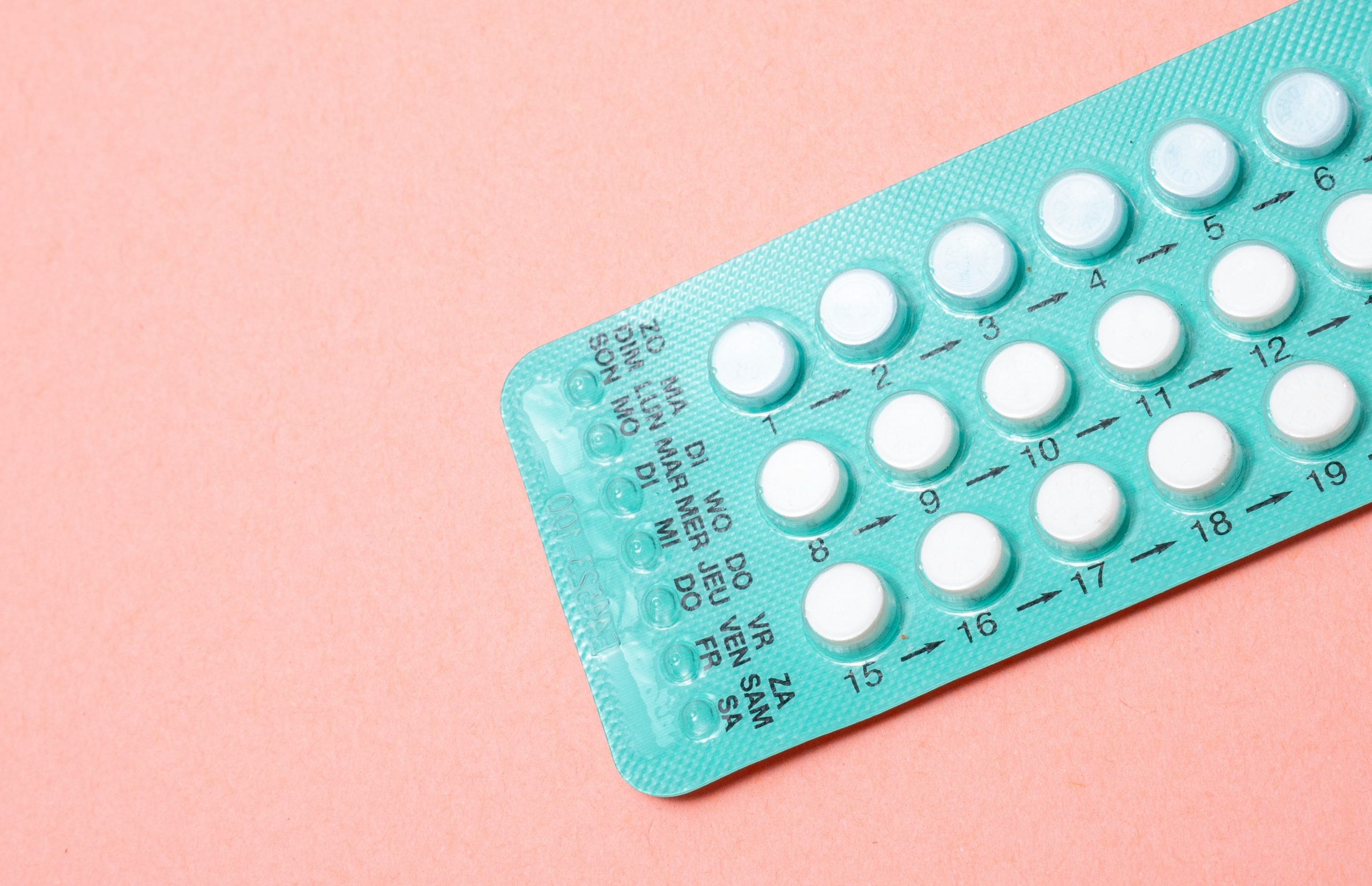
Photo by Reproductive Health Supplies Coalition via UnSplash
In 2023, AccessBC successfully campaigned for free prescription contraceptives in British Columbia, including hormonal and copper intrauterine devices, oral hormone pills, subdermal implants, injections, and Plan B. The campaign was supported by the BC NDP, BC Liberals, and BC Greens, marking B.C. as the first Canadian province to offer free prescription contraceptives, with Manitoba following in October 2024, and both P.E.I. and the Yukon in March 2025.
As of June 1, 2023, pharmacists in B.C. have the ability to prescribe contraceptives themselves, as well as medications for minor ailments, reducing barriers like access to a doctor. These policies were important steps in protecting the rights of those who need contraceptive care, and creating a more equitable, safe, and fair society.
Still, there is work to be done to better serve individuals seeking contraception, particularly among individuals with multiply marginalized identities. Medical discrimination is, unfortunately, a very real problem in B.C., and in Canada as a whole. One 2024 study found that Black women in Alberta faced significant barriers to accessing healthcare due to intersecting aspects of their identities, such as race, class, and gender, with many participants noting experiences of stereotyping, dismissal of issues, and discriminatory assumptions by health professionals.
A 2020 review of provincial healthcare in B.C. found that Indigenous women are particularly impacted by stereotyping, discrimination, and prejudice.
For a large part of the population, seeing a medical professional can result in discrimination, and locking life-saving, life-changing medication behind a counter only compounds the risk of harm.
Oral contraceptives should be made free and over-the-counter to help eliminate both cost and structural barriers created by discrimination. Reducing barriers to contraceptives is shown to have measurable benefits. One 2025 study found that an increase in the prevalence of contraceptives prevented approximately 77 400 maternal deaths globally in 2023. Canadian federal health guidelines also suggest that a lack of attention to sexual and reproductive health care contributes directly to higher maternal mortality, disenfranchisement, and poor health outcomes.
Importantly, offering over-the-counter contraception provides greater access to contraception that is difficult to tamper with. Unrestricted access to contraceptives allows individuals to take precautions against pregnancies caused by unwanted sexual contact. According to the United Nations Population Fund, nearly a quarter of all women worldwide cannot say no to sex. The Canadian federal government, on their website on intimate partner violence, reports that , according to a 2018 survey, 12 per cent of women and girls (aged 15-24) have experienced intimate partner violence — which includes reproductive coercion and coercive control.
Other countries, such as Mexico, the United Kingdom, and New Zealand, already have over-the-counter contraceptives, and in 2023, the U.S. Food and Drug Administration approved Opill (norgestrel) as its first over-the-counter oral contraceptive. Even more conservative countries, such as Türkiye and Saudi Arabia, permit over-the-counter birth control. By not yet offering contraceptives over-the-counter, Canada is lagging behind many of its global contemporaries.
Regarding the safety of over-the-counter contraceptives, there is little to no evidence suggesting they are unsafe. Many health organizations, such as the American College of Obstetricians and Gynecologists, argue some of the most popular prescription contraceptives, such as progestin, are safe and suitable for over-the-counter use.
In the case of Mexico, research shows that knowledge of oral contraceptive use was no worse amongst women who took over-the-counter contraceptives compared to women who took prescription contraceptives. Over-the-counter contraception is generally supported by medical practitioners as a way to potentially lower the number of unintended pregnancies and increase access to effective contraception.
If the purported improvements to health outcomes associated with free contraceptives are not convincing enough, there is an economic incentive to top it all off. Free contraceptives are revenue positive, meaning they save more money than they cost, reduce barriers to access, and provide fair and easy access to life-saving medication to those who need contraceptive care. Making these medications widely accessible is a net positive that only makes society more fair and safe.
Critics have rightfully pointed out that making prescription contraceptives over-the-counter could result in residents of provinces without free contraceptives losing their MSP coverage of them, meaning they would have to pay out-of-pocket. I want to be clear that I do not support any action that could result in people losing access to necessary medication. Rather, provincial and federal governments should step up and work together to actually take care of their citizens by making these medications free across the board — regardless of prescription or over-the-counter status — while also reducing barriers to use. Countries like the U.K. have proven this is possible, offering free contraceptives whether prescribed or not.
The steps the province and Canada have taken to increase access to contraceptives are good first steps, but they have to be first steps. A fair, equitable, and safe healthcare system must serve everyone, including and especially those whose intersecting identities render their health outcomes the most precarious. Better outcomes for those individuals means better outcomes for everyone; that is the healthcare we all should want.