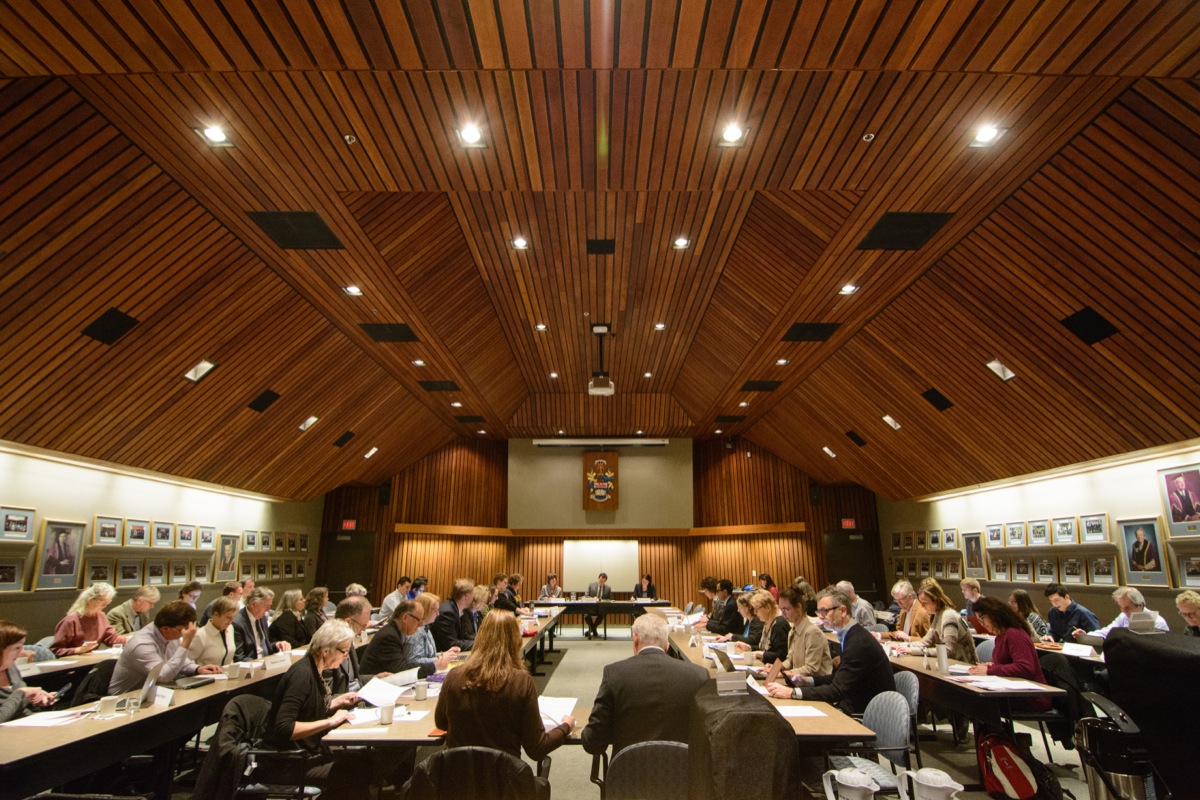

Fisheries and Oceans Canada is consulting on 2026 fishing restrictions and vessel rules to support Southern Resident Killer Whale recovery, but is met with criticism.
Photo by Sage Blackwell.
The death of a young humpback whale off B.C.’s coast is renewing attention on the growing human pressures on coastal waters, from fishing to tourism, as the Department of Fisheries and Oceans Canada (DFO) weighs new restrictions aimed at protecting endangered Southern Resident Killer Whales (SRKW).
The four-year-old humpback, known commonly as Wisp, was found dead at Keats Island in Howe Sound on Oct. 25. The whale, a female — born to a well-known mother named Ghost — was towed to Sea Island by the Canadian Coast Guard for a necropsy three days later.
DFO has confirmed that the cause of death is still under investigation, but other sources suggest a whale-watching vessel may have been involved.
The incident is one of several recent humpback fatalities along the B.C. coast. Another whale was struck by a BC Ferries vessel in September, and a 21-year-old humpback known as Polyphemus was discovered dead near Lasqueti Island in early November — the third confirmed humpback death in a matter of months. This series of incidents has sparked fresh concern about vessel traffic and the safety of marine mammals in coastal waters.
At the same time, the DFO is consulting on new management measures that could reshape commercial and recreational fishing across parts of the coast, beginning in 2026. The proposed changes are part of an ongoing federal effort to protect the SRKW, a critically endangered population that relies heavily on Chinook salmon for food.
Among the measures under consideration are new or expanded Chinook salmon fishing closures, increased approach distances for vessels, rolling area restrictions in key foraging zones, and limits on noise and scrubber washwater discharge within whale habitats.
In a written statement to the Martlet, the department said that restricting salmon fishing in certain areas “can support the abundance and accessibility of prey for SRKW,” but they noted that the proposals are still being analyzed, following extensive consultation with Indigenous groups, coastal communities, fishing organizations, and other affected groups.
“Socioeconomic impacts are one of the evaluation criteria against which management measure options are assessed, and feedback is carefully considered in decision making,” DFO said.
The proposed closures have drawn strong opposition from many recreational and commercial fishers, who argue that new measures could devastate small businesses that rely on the Chinook season.
A letter circulating among anglers online calls the proposed closures destructive, warning they would “eliminate” much of the fishery around the Fraser River mouth, the Gulf Islands, Juan de Fuca Strait, and Swiftsure Bank — areas already subject to seasonal restrictions.
“Taking away even catch-and-release sends a devastating message that conservation doesn’t matter, only closures,” the letter reads. “Lodges, guides, marinas, tackle shops, restaurants, and fuel docks all rely on the Chinook season. Without it, businesses close and jobs disappear.”
Many critics contend that the DFO has not demonstrated a clear link between large-scale closures and improvements in whale survival, arguing that other factors, such as vessel noise and contaminants, also play a role in the SRKW’s decline.
DFO maintains that the measures are a part of a broader approach to prey protection and noise reduction. The agency says they are in consultation with Indigenous Nations, the Sport Fish Advisory Board, and regional stakeholders.
While the proposed fishing regulations target prey availability, the deaths of Wisp and other humpbacks show the risks posed by the growing number of vessels sharing coastal waters with whales.
DFO says the cause of Wisp’s death will not be confirmed until necropsy results are complete, a process that usually takes two-three months. In the meantime, the department’s Conservation and Protection branch continues to enforce the Marine Mammal Regulations, which govern approach distances and prohibit the disturbance of whales and other marine mammals.
Under those regulations, vessel operators involved in accidental contact must immediately report the incident to DFO. Officers may collect witness statements, photos, or videos as a part of the investigation, but the department notes that if a strike is deemed accidental, no enforcement action is taken.
“Getting too close or making loud noises around whales, dolphins, or porpoises can disturb, stress, or harm them,” DFO said, encouraging the public to report collisions or harassment through its Marine Mammal Incident Hotline.
The government is also consulting on potential amendments to strengthen Marine Mammal Regulations, including increasing approach distances to 1 000 meters for SRKW. A “What We Heard Report” summarizing feedback was released earlier this year, and final regulatory changes are expected following further consultations.
The department’s 2024 assessment found that SRKW continues to face “imminent threats” to their recovery, including physical and acoustic disturbance, reduced prey, and environmental contaminants.
Monitoring continues annually to track whale births, deaths, and body condition, alongside compliance with fishing and vessel measures. DFO officials say new regulations under the Canada Shipping Act to limit washwater discharge are being developed.
For many on the coast, the deaths of Wisp and other humpbacks have served as a reminder that whether through fishing restrictions or vessel limits, the effort to protect B.C.’s whales carries consequences both in the water and on shore.