
Initially a UVic-based research project, the Victoria Hand Project now helps to provide 3D printed prosthetics across the globe
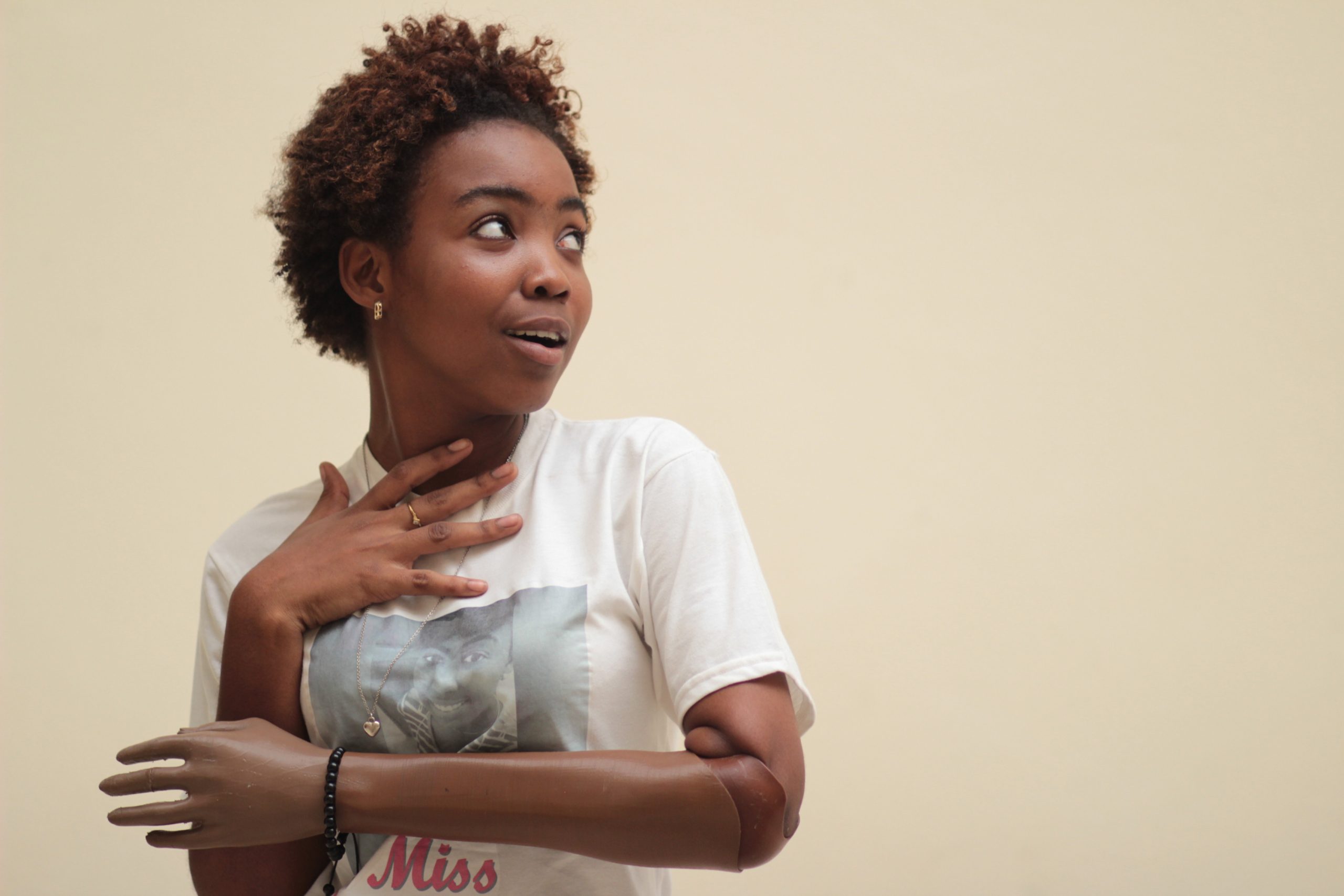
Photo courtesy of Michael Peirone.
What began as a small research project at UVic, creating 3D printed prosthetic hands, is now a charity with international partnerships, developing low cost, accessible prosthetic arms. The Victoria Hand Project, a Canadian charity, creates these arms, and partners with clinics worldwide to provide them with 3D printers, scanners, and computers.
According to Michael Peirone, CEO of the Victoria Hand Project, each prosthetic device is custom-made. Each prosthetic costs around 200 dollars in materials, but the Victoria Hand Project fundraises for each device in order to cover costs for their partners, so patients don’t have to pay themselves.
“I think many of us got into the work, at least, from the engineering side, because we thought it was very interesting, technically,” said Peirone. The Victoria Hand Project currently has about 30 UVic student volunteers, primarily undergraduates, as well as four co-op students from engineering and business programs. “But then, seeing the human impact really made us stick around, and having the opportunity to travel to some of these areas and get to help people directly, it’s just very inspiring.”
The Victoria Hand Project was founded in 2014 by Dr. Nick Dechev, a UVic professor of mechanical engineering. During the first trials of 3D printed prosthetic hands in Guatemala, the participants in the research project asked if they could take the prosthetics home, as they did not own any.
“It does offer a lot of independence for people … where, unfortunately, they may have had trouble securing work in the past, because of their missing limb, but [with a prosthetic] they just have more opportunities for work, also for school,” explained Peirone. “There’s some people we’ve heard, where they’ve said ‘Oh, now that I have an arm, I can go back to school’”
“We’ve had people where they receive the prosthetic, and they’re more confident, and they can feel much better in public,” Peirone added.
One such user, referred to as a “superuser” because he uses his prosthetic daily, is a man from Ukraine named Andriy. He uses his prosthetic to fish, ride his quad, and weld. Peirone said that having a prosthetic arm also allowed him to hold the hands of his two sons at the same time.
The Victoria Hand Project has been working in Ukraine since June 2023, and their partners have fitted more than 150 people with prosthetic arms. “It’s quite a big number, you know. There’s still tens of thousands of people in need of prosthetic devices, arms and legs, and there are many companies that are helping. We’re just being a part of that,” said Peirone.
Peirone shared that there are around 26 individual parts per hand, not including the stainless steel linkages through the fingers for increased strength and durability. Each individual part is printed separately before being put together. The Victoria Hand Project also helps teach their partners how to use the supplied 3D printers and assemble the prosthetic, he said.
“The teaching aspect is really fun as well,” said Peirone. “The team on the ground, all the areas we work in, are very excited for this new technology. For some places, they might have wanted to do 3D printing before, but they haven’t been able to get into it because of the cost barrier. They see the great need for people, people that can’t afford a prosthetic arm. They’re very excited to learn, very motivated, they just continue to grow from it.”
One benefit of a 3D printed prosthetic is its light weight, in comparison to traditional prosthetics. “We’ve had people where they’re wearing a traditional prosthetic and say, ‘It’s too heavy, it pulls on my shoulder all day,’ and then they switch to this, and say, ‘Oh, it’s so much lighter, easier to use,’” said Peirone.
The current model also has a ball joint wrist, a unique addition in the field of prosthetics. It was suggested by an orthopedic surgeon from Nepal who developed the design. 3D printing the model enabled a process that would be difficult to achieve through traditional manufacturing.
Recently back from a trip to Nepal, the Victoria Hand Project is now preparing for their upcoming Evening of Impact charity auction on Dec. 2, at the Ukrainian Culture Centre. The organization is also currently working in Egypt, helping to provide prosthetic devices for Palestinian arm amputees.