
As the fall reading break continues to leave students short on time, it may be time for the university to change things up
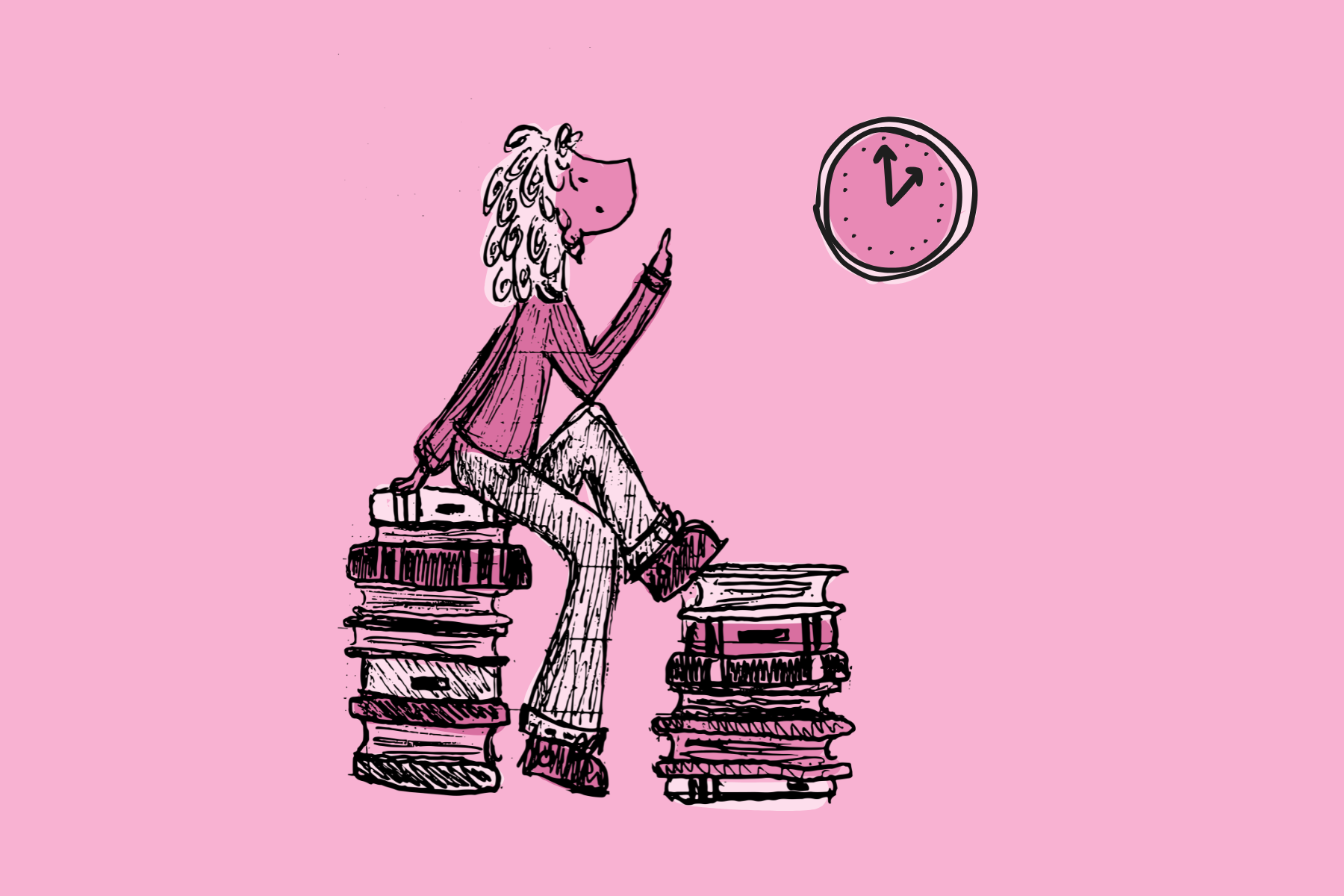
Illustration by Sage Blackwell.
Every year, when fall comes around, many students at the University of Victoria complain about the length and timing of the term’s reading break. Scheduled for Nov. 10 to 12, the break lasts three days, including Remembrance Day — a day students already have off. That leaves only two real days of break provided by the university, which is not enough time to rest, catch up on assignments, or prepare for finals. It raises the question: is the break even beneficial?
“I usually use the reading break time to rest before I study for finals,” said Sophia Mezentseva, a second-year applied linguistics student. “But there’s some classes where you don’t get the luxury to just rest. Sometimes professors give you homework during the reading break.” She recalls having a midterm scheduled immediately after the break, which left her with no real time off.
The short break also makes travelling difficult. With the high cost of travel in and out of Victoria, many students say it isn’t worth it to leave town. A longer break would allow more students, particularly those who live off Vancouver Island, to make the most of their travel expenses and spend meaningful time away from school.
Max Wannur, a fourth-year student, said he has previously taken the full week off to go home, though he dislikes missing classes he’s paid for. “They say reading break is to catch up on reading, but you can’t really,” he said, when asked about his workload around the break.
Wannur added that November’s gloomy weather and heavy workload can take a toll on students’ mental health. “Because of the workload during the reading break, I just stayed here and I didn’t leave my room very much,” he said.
A 2022 study in the Canadian Journal of Higher Education found that while students appreciated the time off, many “were confused about what they were supposed to do during the break,” suggesting that even a full week can be hard to manage, let alone three days. Similar complaints appear at other universities, such as the University of British Columbia, where professors have scheduled due dates or exams during or immediately after the reading break, defeating its purpose.
From a faculty perspective, the reading break is intended “to catch up on assignments and to … [prepare] for the end of the term,” said Dr. Davina Bhandar, chair of UVic’s gender studies department. Whether two days is enough time for students to achieve this, she explained, depends on the student and the structure of the courses they are taking. Bhandar acknowledged that a full week would be beneficial to students, and even suggested moving the break earlier in the term. Her comments indicate that some professors recognize the challenges students face with the current length of reading break.
In my experience, I have performed better, both academically and mentally, during spring semesters — when reading break comes earlier, and lasts a full week. In contrast, the fall break often leaves me to juggle midterms, assignments, and finals all at once. I personally think a fall break in October instead of November — aligned with Thanksgiving — would give students a better opportunity to travel home, rest, and manage their fall workload.
UVic could support students’ mental health by making two changes: extending the fall break to a full week, and moving it earlier in the term. Students deserve the time to recharge, catch up on work, and approach finals better prepared. The university has the power to make this change; it is only a matter of whether they will listen.