
If you want to see change, pay attention to the politics of your local community
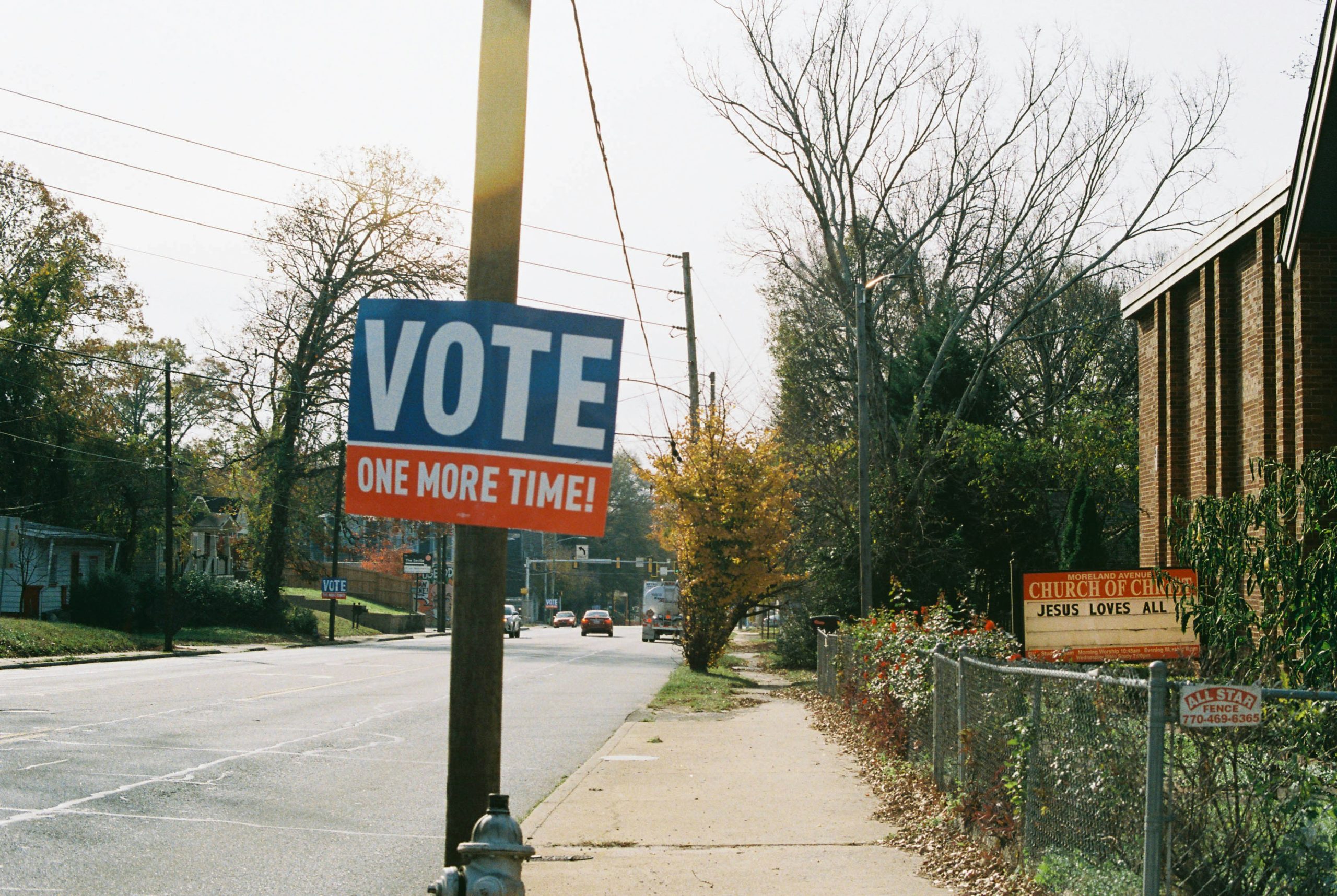
Photo by Janelle Hiroshige.
The most dangerous political policies don’t always come from the federal level. Often, they start quietly in our school boards and local elections. For example, U.S. President Donald Trump has appointed multiple authors of Project 2025 — such as Russell Vought, who leads the Office of Budget Management, and CIA director John Ratcliffe — to positions of power in his government.
Project 2025 has been described by critics as an authoritarian road map, and a “Christo-fascist manifesto.”
Likewise, federal Conservative Party leader Pierre Poilievre has been criticized for parroting many of the same talking points as Trump, and has been accused of “courting white supremacists” following his visits to Freedom Convoy related protests. However, socially regressive politicians don’t just stick to federal level politics. Often, when the far-right doesn’t succeed in higher levels of politics, they fall back to the local level.
This trend can be seen in the U.S. through anti-2SLGBTQIA+ policies in schools. In September 2025, the Massapequa School District’s Board of Education in New York passed a resolution that banned transgender students from using bathrooms that align with their gender identity, and in 2022, a conservative-controlled school board in Temecula, California banned the teaching of critical race theory. Both states are Democrat-majority states, or “blue states,” showing that regressive policies can be pushed in progressive areas when voters tune out of local politics.
Canadian federal politicians have fallen back on local politics before, too. Patrick Brown — a former Conservative Member of Parliament (MP) who voted to reopen the debate on same-sex marriage, later shifted to mayoral politics in Brampton, Ontario. In 2025, a majority of Brampton’s city councilors criticized Brown for being “authoritarian” and warned that he put democracy “under siege” after he allegedly blocked the councilors from voting.
We’re not as far off from the U.S. as many of us would like to believe. In 2023, protesters in B.C. fought against a SOGI (sexual orientation and gender identity) program being included in B.C. schools. The SOGI program had guidelines on creating supportive and inclusive environments for 2SLGBTQIA+ students. These protests attracted a range of far-right groups, including groups with ties to neo-Nazi organizations, like the Soldiers of Odin.
While local politics can be a site for regression, they also give us greater opportunity to correct mistakes. In Chilliwack, former school board trustee Barry Neufeld opposed SOGI, and called gender transitioning “child abuse.” His comments resulted in the CUPE 411 union filing a human rights complaint against Neufeld and the school district.
Rather than tuning out, residents organized and voted him out. In the next election, Neufeld was defeated, and progressives gained a 5-2 majority on the school board. Residents of Chilliwack also elected their first transgender man to the school board, which community members called a “sense of relief.”
Local politics are easy to dismiss. They usually don’t affect the entire country, or the whole province, and they typically receive a lot less media attention than politics at the national or international levels, but that doesn’t make local politics any less important. Socially regressive actors have, and will continue to, undermine diversity, equity, and freedom of expression through local politics. It’s important we remember that our communities aren’t entirely safe from backsliding on social issues unless we proactively protect them by staying informed and engaged with politics at the local level.
Resistance can’t come solely from voting against the worst option every four to five years. Defending progress means paying attention to school boards, city councils, and even campus politics. If we want inclusive communities, then we have to show up for them –– not just for Prime Ministers and Presidents.