
While other BC universities actively updated students, some students feel UVic’s guidance was insufficient
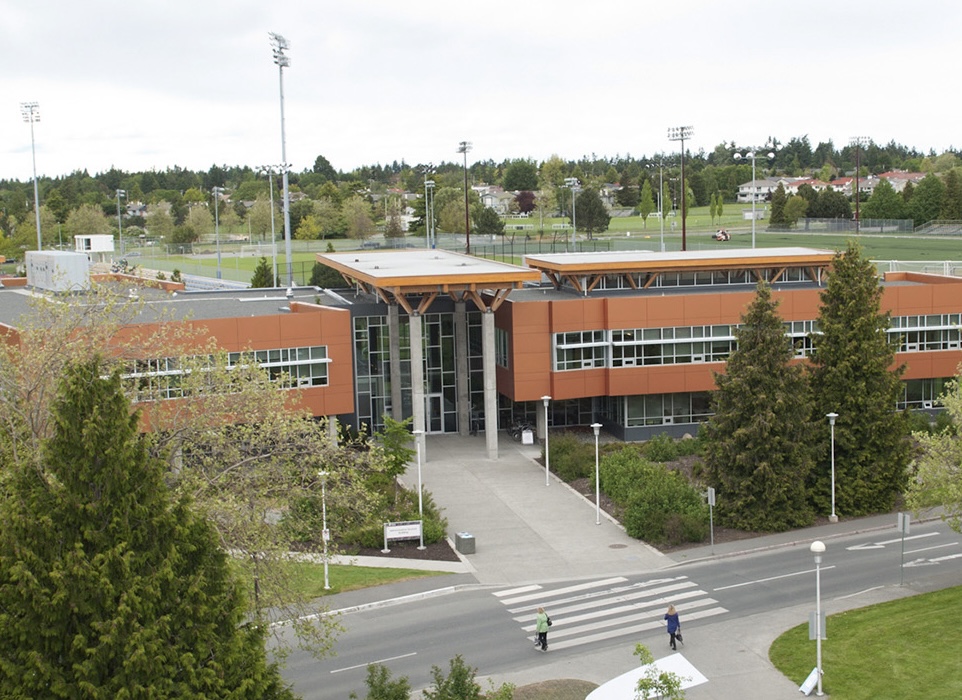
Photo via the University of Victoria.
The BC General Employees’ Union (BCGEU) strike, now tentatively resolved, shut down StudentAid BC — the provincial government program responsible for student loans, grants, and scholarships — creating uncertainty for students who rely on government funding for tuition and living expenses.
While other B.C. universities — such as UBC and BCIT — actively updated students about the situation, some students feel that UVic did not communicate clearly enough with students.
Lili Goodwin, a third-year psychology and political science student at UVic, said that the lack of updates has been stressful. While she has not personally experienced delays in funding, she knows people who have, including students waiting on disability-related payments.
“They were supposed to receive a disability payment, which was obviously very stressful,” she said, “for me, what I was worried about was definitely the January term.”
Goodwin moved to Victoria about a year ago, and relies on StudentAid BC for both tuition and living costs, which caused extreme stress about how she would afford living expenses such as groceries next semester. When she emailed the UVic Financial Aid Office to inquire about the implications of this shutdown, Goodwin said “they were kind of closed off about the whole thing,” and “they didn’t really have a set plan.”
According to Goodwin, the Financial Aid Office informed her that students could apply for emergency funding if the strike continued into mid-November, and that tuition deadlines could be deferred. However, she said the information given was vague, and gave no explanation of what “emergency funding” actually is.
Goodwin also noted that when she spoke to a friend, she was told that UBC was sending out update emails to students about the ongoing strike. “It would have been so helpful if [UVic] did that,” Goodwin says.
Goodwin explained that the uncertainty added stress not only financially, but also academically. She typically focuses solely on school during the academic year and tries to avoid working. “I have a learning disability and I usually like to focus solely on school so I can get good grades,” she shares, “but if I have to work, I will work.”
Public guidance to students from UVic remains limited, though the university has acknowledged the disruptions caused by the shutdown, and outlined the support available to affected students on the Student Awards and Financial Aid (SAFA) website, but did not email students directly.
In a statement from Wendy Taylor, UVic’s Registrar, the university said its SAFA office is providing direct support to affected students through flexible funding options and individualized financial need assessments.
The statement noted that “the majority of current students have not been impacted by this disruption.”
For students who are affected, UVic encourages them to contact SAFA to explore emergency support options, which may include the reversal of tuition late payment fees. The university says it is working directly with students to ensure their access to necessary UVic services is not disrupted. According to the statement, “Residence Services are also providing individualized support to impacted students in campus housing, and the Centre for Accessible Learning is offering flexible payment options for eligible students requiring support.
The university also noted that information about the disruption and how to contact SAFA has been posted in prominent locations throughout the SAFA website. Beyond these measures, Taylor said UVic is working with the BC Registrar’s Association to “advocate for an expedition of service to students from StudentAid BC.”
In the statement, Taylor emphasized that the university recognizes “the seriousness of this situation and that it has real impacts for some students,” and encouraged students experiencing financial hardships to reach out to SAFA to explore what emergency supports are available.
While UVic is highlighting the support it can provide, the guidance can be unclear in practice. In Goodwin’s experience, although SAFA responded quickly to her inquiry, she was left uncertain about the details of emergency funding and what it would involve.
At time of publication, the BCGEU has reached a tentative agreement with the province. Members will be voting whether to accept the proposed agreement, and results will be tallied Nov. 13.