
‘Teenage Sex and Death at Camp Miasma,’ which was partially filmed at UVic’s CARSA, is not particularly scary, but it is a thought-provoking surrealist experience that every slasher fan should see
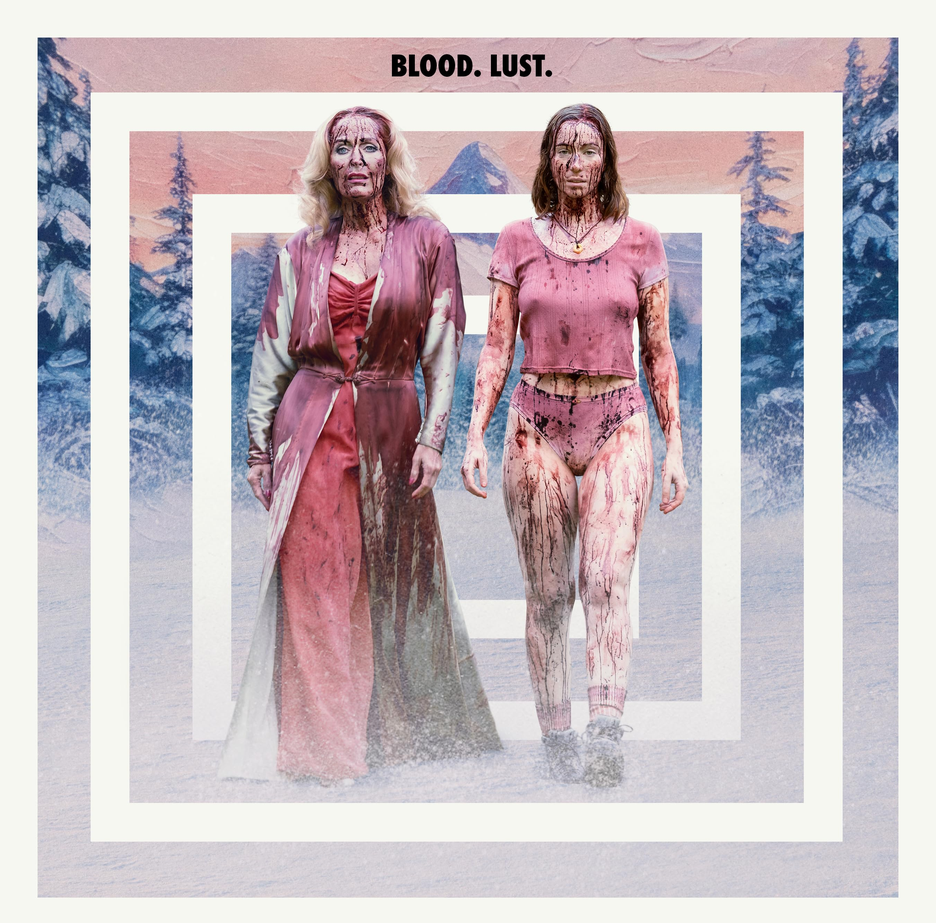
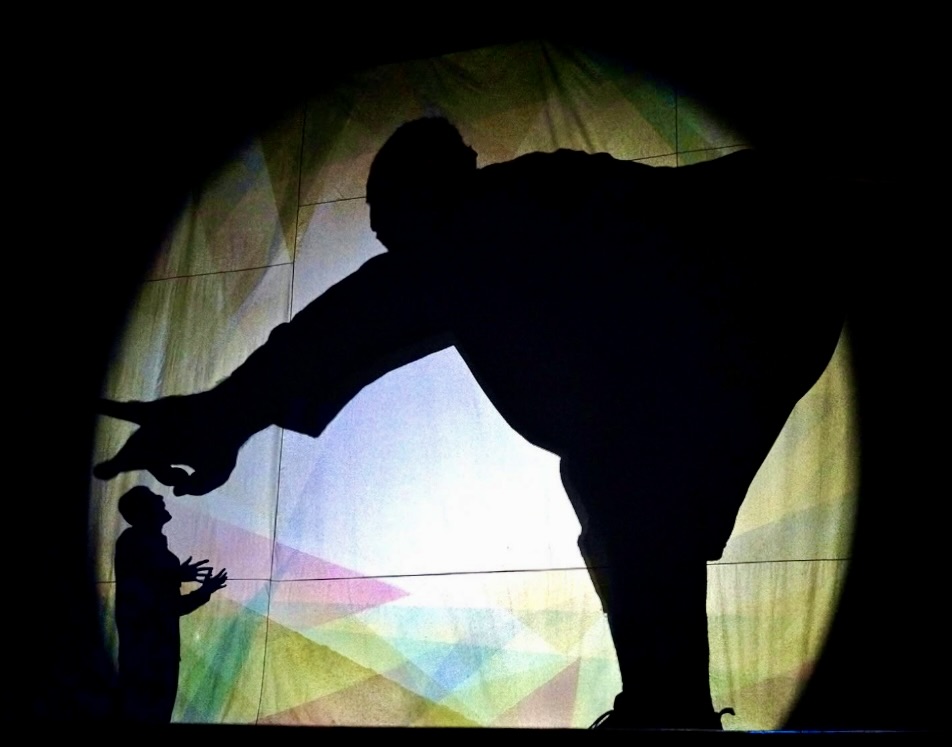
Photo via IMDB
This review contains discussions of sexualized violence and transphobia, as well spoilers for the film.
Teenage Sex and Death at Camp Miasma, written and directed by Jane Schoenbrun, is an incredibly odd film that tackles gender-based issues in the horror genre, particularly within the subgenre of slasher films. Rated 14A, Camp Miasma doesn’t seek to outright scare you — at times, it’s downright comedic — but prospective viewers should note that the film tackles themes of sexual assault, sexualized trauma, and transphobia, which they may find disturbing.
The film, which has scenes filmed at UVic’s Centre for Athletics, Recreation and Special Abilities (CARSA), is both a playful evocation of and meta-commentary on the horror/slasher genres. The film’s protagonist, Kris Williams (Hannah Einbinder), is a new director working on the latest “Camp Miasma” movie — a fictional movie franchise within the world of the film. The audience is introduced to the “Camp Miasma” lore through sequences where Kris and Billy Presley (Gillian Anderson) — who played the “final girl” in the first Camp Miasma movie — watch and discuss the film.
Horror has always been riddled with explorations of sex and gender, as well as sexual violence — particularly as they pertain to women. One recent example, which took the world by storm, is Curry Barker’s Obsession, which depicts a woman losing her autonomy to satisfy a man’s romantic and sexual interests.
Transphobic tropes and depictions are also often featured in horror, like in Silence of the Lambs, where serial killer Buffalo Bill (Ted Levine) fulfills transphobic stereotypes as they lure, kill, and skin women in pursuit of a desire to “transition” into a woman by wearing the skin of their victims. Camp Miasma doesn’t shy away from drawing attention to these harmful gendered tropes, but it also doesn’t rule out the artistic merits of “problematic” horror classics either. For all Kris’ objections to the bigoted writing of the first Camp Miasma film, she has an enduring love for the series, and Presley jokingly dismisses Kris’ academic explanation of her own body of work.
The “antagonist” of both the film and the fictional Camp Miasma series — Little Death — also explores themes of gender identity in horror. Little Death died at Camp Miasma after being drowned in a lake by bullies due to their gender expression — sometimes presenting as masculine, and other times as feminine. It’s through Little Death that much of the film’s initial exploration of gender comes from.
In one scene, Kris points out to Billy that the way characters in the first Camp Miasma film talk about Little Death is transphobic, to which Billy says, in essence, that she doesn’t care.
In another scene, Kris talks about how she was chosen to direct the new Camp Miasma film because she is queer, and the studio wanted to use that to make the films more palatable, as audiences have moved to reject the queerphobic and misogynistic content shown in the earlier Camp Miasma films. Rather than having a long, drawn-out conversation about these topics, the film makes the queerphobic characters feel ridiculous, satirizing them through deliberately hammy performances and campy dialogue, which delegitimizes their hate while also lightening the mood.
What makes the film so interesting is its exploration of sexualized trauma. It is revealed that Billy herself was raped during a sex scene in the first Camp Miasma film. In the scene, Billy’s character has sex with another character, before Little Death comes in and kills them both. Billy internalizes this trauma, and will relive it, watching herself be assaulted through Little Death’s eyes before Little Death kills her. Billy explains that this is how she got her “biggest” orgasm.
It’s a lot to unpack in the theatre, and the film only adds to the complexity through Kris’ internalized fantasies of violence. Throughout the film, it is revealed that Kris can only derive sexual enjoyment through fantasies of being chased and harmed by Little Death. These themes are reinforced through the film’s antagonist; their name, Little Death, directly alludes to a French expression referencing a post-orgasm feeling. In the climax of the film, Kris and Billy have a (consensual) sexual encounter, during which Little Death comes to life and kills them both, which Kris observes through Little Death’s eyes. What makes this harder to unpack is that the film doesn’t treat it like it’s a big deal.
Immediately after Kris and Billy are “killed,” they return to life, covered in blood, and buy candy at a gas station. Kris and Billy are joyful in this final scene, and it really made me, as an audience member, think about how people internalize and sexualize their trauma. Art is always up to the interpretation of the viewer, but I think this will be particularly true in the case of Camp Miasma. There’s so much to unpack that I strongly suspect each individual will come up with their own interpretations of what happened, and what the film meant based on their own lived experiences.
Was the film bad? Certainly not. Was it great? I’m also not sure. I think the best descriptors for Teenage Sex and Death at Camp Miasma are odd and interesting. It’s a film where you really need time to ruminate on what you’ve just seen. The film sets out to get the audience thinking about sex, gender, and violence in horror, and it achieves that goal. If you’re a critical film-goer, you will probably be deconstructing the themes and oddities for days to come.