
“We believe that these are sounds to be shared”
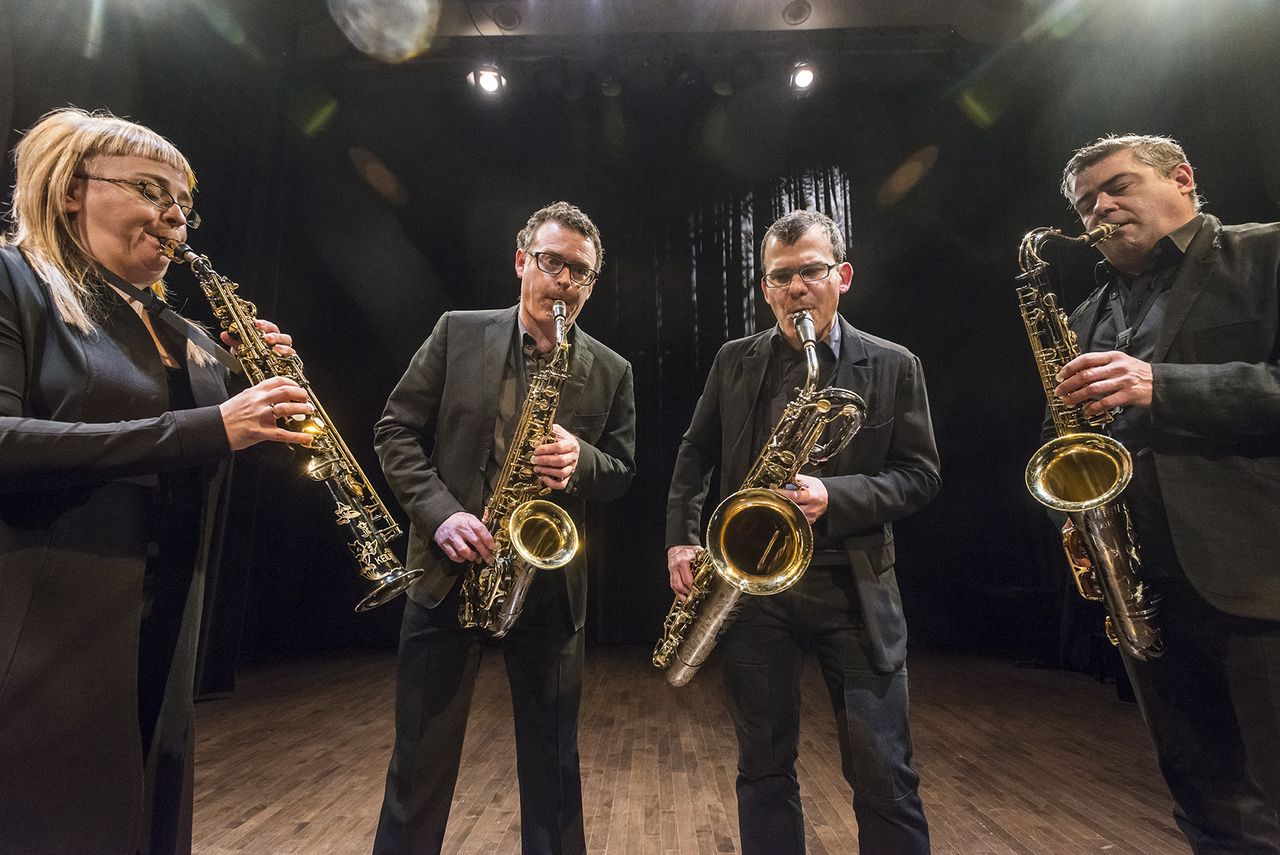
Quasar saxophone quartet. Photo courtesy of Eszter Bodnár.
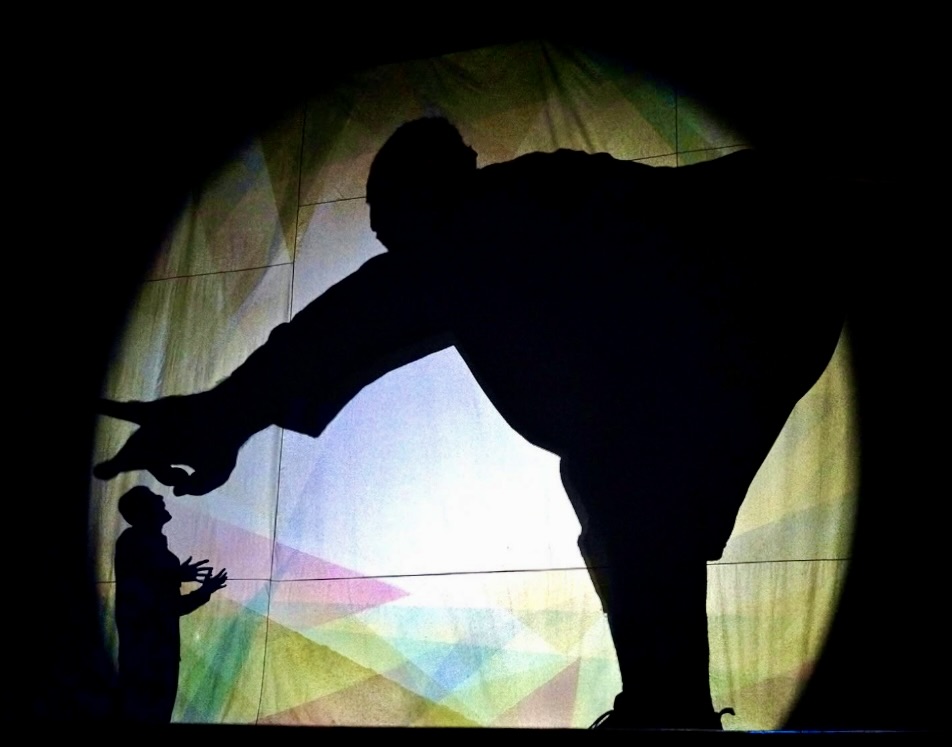
The SALT New Music Festival — a biennial event dedicated to contemporary music, where Canadian and international composers, performers, and ensembles gather together to perform — is back, from Sept. 1 to Sept. 20.
This year, the festival’s program is themed around the idea of proximity — be it between musicians, audiences, artistic traditions, or the very environments we listen to music in.
“Proximity comes up in many ways through the festival program,” explained Ajtony Csaba, artistic co-director of the SALT Festival and a professor at UVic’s School of Music.
One example of how proximity influences the festival is the “Kurtágiana” concert on Sept. 20, named in celebration of György Kurtág, who turned 100 this year. One of the pieces performed is composed by Robert Schumann — Kurtág’s favourite composer.
Also in the program is a piece by Kurtág called Hommage à R. Sch — Hommage to Robert Schumann. Following this composition is a piece by Marco Stroppa, referencing Kurtág. The different performances will also features the same instruments: a clarinet, viola, and piano.
“It is like musical chairs,” Csaba said. “Everyone is referencing the other, and it is one beautiful block of 50 minutes, where the audience has the impression that everything is connected, but you can’t really put your finger on it.”
Proximity to new art “controversially, but unsurprisingly . . . broadens our worldview,” Csaba said, “so that proximity to the particular issues, the focus, the increase of focus, expands our global understanding of life, of art, of our artistic experience, and music perception.”
Each concert will also feature food and refreshments afterwards, along with a Q&A with the artists and composers.
“It’s a lively sort of form of exchange,” Csaba explained, “so that the rigid divide between stage and audience disappears, and there is a true sense of community.”
Marie-Chantal Leclair, another artistic co-director of SALT and the soprano player with the Quasar saxophone quartet, said that another element of proximity is the personal relationships between the musicians.
“For us, it’s an extended family,” she said. “When people from SALT are coming from Montreal, we meet, we exchange…. It’s a small community, the new music scene. It’s very vibrant; it’s very alive.”
Leclair will be performing with Quasar on Sept. 19, in a concert named “Wild Truth.” Quasar will be playing five new songs from new composers in the New Music Lab, a collective of new composers from Southern Alberta.
For Leclair, performing brand new pieces of music is both challenging and rewarding.
“You really feel that you’re in the middle of the action, you know? And you have a role in this new work to serve the music and to bring it to the audience,” she said.
“We try to have close collaborations with the composers before presenting the pieces, and this was the case with this program, so this connection with the composers makes it so we have a deep understanding of what the music is like.”
Liam Hockley, clarinetist, sound artist, and UVic alum, will also be performing at the festival. His concert, “Inner Time,” will take place on Sept. 11. at the Open Space Arts Society. He will also be performing in “Kurtágiana.”
“Inner Time” will feature a piece by Alex Matterson, a recent graduate of UVic. The other pieces include “Overwhelm,” by Ray Evanoff, which was written for Hockley. The two met at a previous SALT Festival, and have been collaborators since.
“Overwhelm” itself has components that can be rearranged, Hockley said. He even built a set of electronics to further highlight the unique material of this work.
For the final piece, “Inner Time” by Horațiu Rădulescu, Hockley built what he calls “a patch” to activate sounds as he plays to make the room sound like “one big clarinet.”
“The thing that I don’t love about classical music is the way that it is so tied to the past,” said Hockley, reflecting on having Kurtág as a living link to mid-twentieth century music.
“That’s not my passion. I want to work with people today; I want to work with people in my community…. But I do think that these types of programs, that think about these links to the past not in terms of ‘we are bound to them,’ but [about] the interesting resonances that pass through these generations — that I think is kind of liberating and interesting.”
Hockley described this idea as a “living continuum” of artists.
“How does our work today resonate with the work of the past, and how does the work of the future resonate with our work of today?,” he asked, describing the process as “trying to bring these pieces into dialogue with one another across … easily 150 years.”
Tickets can be purchased through the SALT New Music Festival’s website.