
Ocean Networks Canada 2025 ArtScience fellowship comes to a close with ‘Tides of Memory’
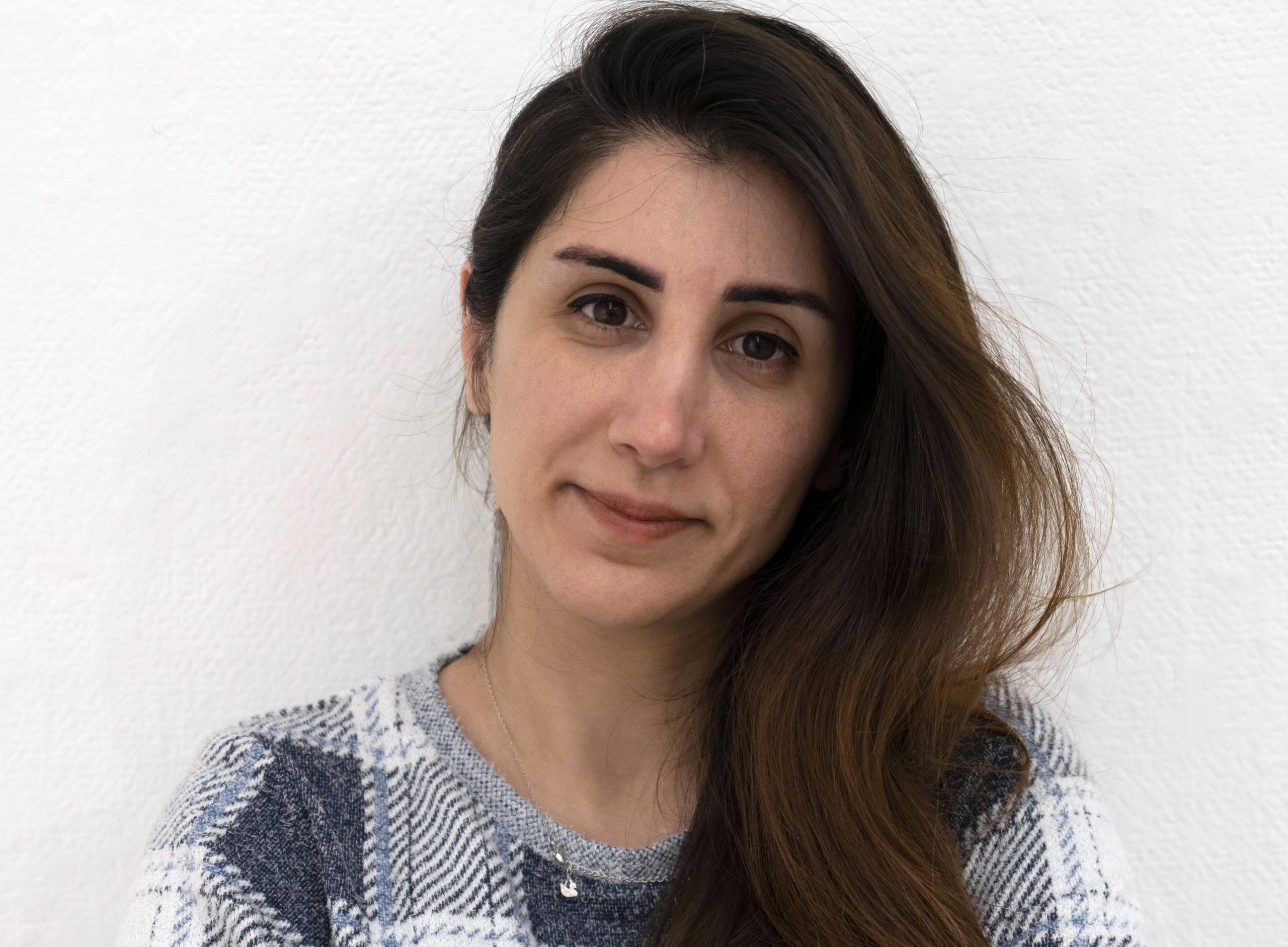
Photo courtesy of Parvin Hasani.
Parvin Hasani, a UVic alumna, launched a new exhibition on Sept. 8 at the Audain Gallery as the culmination of her ArtScience fellowship with Ocean Networks Canada (ONC).
Sparked by her previous knowledge and education in neurology, Hasani explores the connections between human neurology and hydrothermal vents in her exhibit, “Tides of Memory.” The sculptural debut was followed up by a talk with Hasani and members of ONC on Sept. 9.
“I think these four months [with ONC] was maybe the best part of my practice as an artist,” Hasani said.
The exhibit features large sculptural elements made of pipes and plaster pieces, creating a landscape that mirrors the hydrothermal vents themselves. Hasani wants her audience “to feel the landscape that they don’t have access to.”
Inside the Audain, pieces of pipes and metal grates litter the floor, while charcoal drawings hang on the walls. The open spaces, which function as walkways, also mirror the vastness of the ocean and, perhaps, gaps in memory; walking through the space is both disorienting and calming.
“Tides of Memory” invites the audience into this transformed gallery space, where they can ebb as they see fit and experience the sculptures from all sides. This idea of fluidity, particularly as related to memory, was essential for Hasani.
“Memory is shifting; it changes over time. It’s fluid for me,” she said. “I really wanted to create this space for my viewers to experience the deep time, deep ocean, deep distance, and realize it as a landscape by moving through the pieces.”
“Ocean as deep mind” was part of the core question behind this exploration. Having studied memory in the human brain during her undergrad in Tehran, Hasani wanted to branch out into memory in non-human spaces, such as the deep sea.
The creation of the exhibit took much collaboration between Hasani, the scientists at ONC, and the data — both neurological and geological. Incorporating data as an element of her art has been an interest of Hasani’s since her undergrad. “This time during my conversation with the scientist[s] I could go further [with] how to materialize the data as a part of my project,” said Hasani.
Hasani looks to represent scientific data physically, as a material itself. These techniques are present in “Tides of Memory” through the mimicking morphological maps and the use of iron (present in neurological memory deposits and dispersed through hydrothermal vents) as a pigment.
“I am not just using the data as data,” she said, “I am trying to change [it] and add my interpretation.”
Other techniques Hasani used to meld the metaphorical and scientific connections between the vents and neurological pathways included electro-etching and scagliola — an imitation marble made with plaster, water, and glue. Both of these techniques help represent the decay aspect of memory.
This isn’t the end of the marriage between science and art in Hasani’s work — far from it. Hasani hopes to continue exploring memory in future projects and delve deeper into the neurological data related to iron accumulation in the brain, which she said this was the one thing lacking from her project.
The ONC ArtScience fellowship has seen six other graduate students from various disciplines, however, Hasani is only the second visual arts student to participate in the program.
The ArtScience fellowship fosters a bond between these often separated fields that have met in harmony for Hasani. She said, “I wanted to create that space for people when they enter the gallery, they could experience that kind of scientific, artistic interpretation, because people cannot have access to the scientific approaches directly.”
“Tides of Memory” is open through Sept. 12 for visitors in the Visual Arts Building’s Audain Gallery.