
‘The Dreaming’ continues to shine as an exemplar of distilled genius in the age of recycled motifs permeating pop music
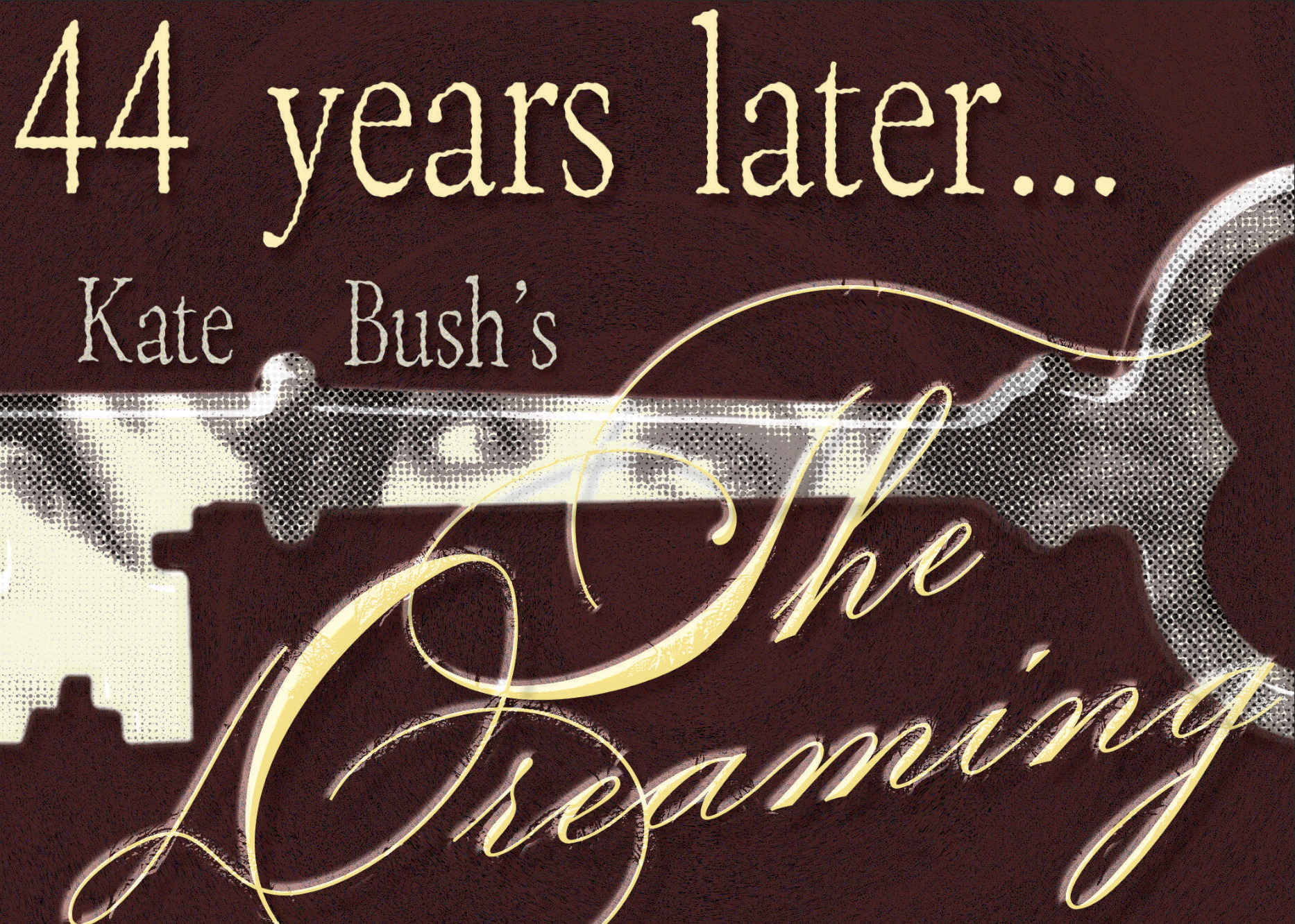
Illustration by Luisa Dela Cruz.
Kate Bush’s contentious fourth studio album The Dreaming turned 44 years old this year, on Sept. 13. The album is a precursor to her magnum opus Hounds of Love, and an enduring testament to Bush’s ingenuity.
As user Suha on the music review site Album of the Year said, “Hounds of Love was gorgeous, this was … unexpected?” The Dreaming has been described by listeners as manic, erratic, daring, weird, progressive, haunting, awful, and beautiful. It is absolutely clear, however, that nothing sounds quite like it. Even for the wild and kooky Kate Bush, The Dreaming proved to be too strange upon its release, too original.
Pitchfork notes the commercial failure of The Dreaming while recognizing that the album is still uniquely Bush. Mojo ranked the album second in Bush’s overall discography, but Rolling Stone rated it 60 out of 100, or three stars out of five.
Very few artists self-produce an album sprinkled with didgeridoos, screaming bleats, and booming drums on their first try — but then again, not everyone is Kate Bush. The Dreaming screams and weeps in all the right moments — an echo chamber of an artist trying to legitimize herself through sheer willpower, and her peculiar fascination with the Fairlight Computer Musical Instrument synthesizer.
Del Palmer’s masterful playing of the fretless Wal bass paired with Bush’s signature dynamic singing style concocted a brazen, angry album that can still stir up emotion.
The amalgamation of staccato piano notes, jumpy snare drums, and sweeping bass riffs communicates Bush maturing both her sound and mind through song. Her anger is potent as she laments, “Give me something to show for my miserable life! / Something to take! / Would you break even my wings like a swallow?” in “Night of the Swallow.”
Moments of despair feature the singer somberly admitting, “I didn’t want to let them see me weep / I didn’t want to let them see me weak / But I know I have shown / That I stand at the gates alone.” Every sound rolls over in waves of piercing anguish, enrapturing the audience with her on her self-discovery journey.
Pain, however, cannot be borrowed, but Bush sure did try. On the title track, Bush attempts to take on the perspective of Australia’s Aboriginal peoples grappling with the destructive forces of colonization, accompanied by drums and bellowing didgeridoos. Furthermore, “Pull Out the Pin” sees Bush desperately scream “I love life” from the eyes of a Viet Cong fighter fighting American opposition. Through adventurous and creative storytelling lyricism, both tracks raise questions on the limits of an artist’s portrayal of a pain they are not directly party to.
What The Dreaming can teach us 44 years later is this — the journey to self-actualization is painful, wretched, and does not always create popular and widely understood content. Few are comfortable with messiness, and certainly not with madness.
The Dreaming stands out in the age of pop musicians who create their own replicable brand of originality; it dares to exist beyond the boundaries of good and bad. It just is.