
Denmark’s bold move to fight deepfakes by giving people copyright over their own likeness highlights gaps in our own laws
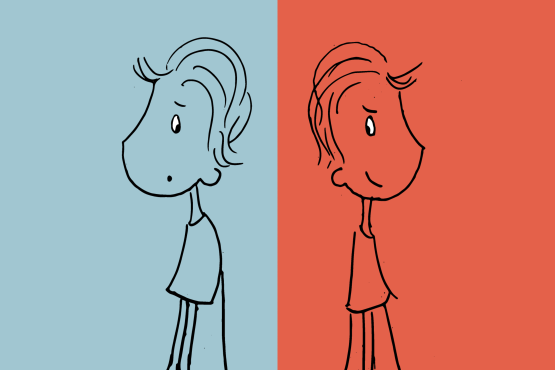
Illustration by Sage Blackwell.
In Canada, it’s illegal to steal someone’s car — but not their face. As absurd as that sounds, it’s our current reality. Deepfakes — digitally altered videos or photos that clone someone’s face, voice, or body to realistically depict them saying or doing anything at all — pose a rapidly increasing threat.
Right now, Canada’s legal system is dangerously out of touch with this technology. Denmark just proved that it doesn’t have to be.
This summer, Denmark announced a proposed amendment to its copyright laws that will make a radical but necessary change: give people ownership over their own image, voice, and likeness. This amendment, with support from 90 per cent of Danish MPs, will make it illegal to share deepfakes or other digital imitations of someone without their consent. Victims will have the right to demand the removal of fake content and receive compensation, while tech platforms that fail to comply could face severe fines or intervention from the European Commission.
This is the first law of its kind in Europe, and should be the first of many. The proposed amendment is smart, simple, and realistic. It doesn’t ban parody or satire, drawing a clear line between humor and harm.
Deepfakes are a mainstream threat being used to produce fake celebrity porn, sexually harass women, humiliate people, sabotage political campaigns, and run sophisticated scams. As Denmark’s Culture Minister, Jakob Engel-Schmidt told the Guardian, “Human beings can be run through the digital copy machine and be misused for all sorts of purposes, and I’m not willing to accept that.” Neither should we.
In Canada, we have a patchwork of half-measures in place to protect against deepfakes. The Criminal Code makes it illegal to share real intimate images without consent, but deepfakes, by definition, don’t show real events. Criminal harassment or extortion charges may apply if intimidation is involved, but there is no law specifically targeting the creation or distribution of malicious deepfakes.
B.C.’s Intimate Images Protection Act covers altered sexual content, which is an important step, but still too narrow in scope. If a deepfake impersonates you to commit fraud, identity theft charges may apply. Canada’s libel and slander laws offer some protection when fake content damages a reputation, but these are civil laws. What Canada lacks are clear penalties for the unauthorized creation and distribution of deepfakes.
We can’t keep relying on a patchwork of pre-deepfake legislation to keep ourselves safe in a post-deepfake world. Recognizing that old rules don’t always work for new problems, Danish lawmakers took action to safeguard their citizen’s rights. They acted fast, making a clear statement — not only that your face and voice belong to you, but that they have their citizens’ backs.
This is exactly the leadership that Canada needs. By giving people clear copyright rights over their own likeness, we can make it easier to demand takedowns, hold platforms accountable, and stop the spread of damaging deepfakes before they cause irreparable harm.
Canada has long positioned itself as a leader in digital rights and online safety, yet we’re falling behind. Denmark gave us the blueprint, our lawmakers just have to pick it up. You should own your face, and Canadian law should say so.