

Essential travel shouldn’t break the bank, but for many BC students, it does
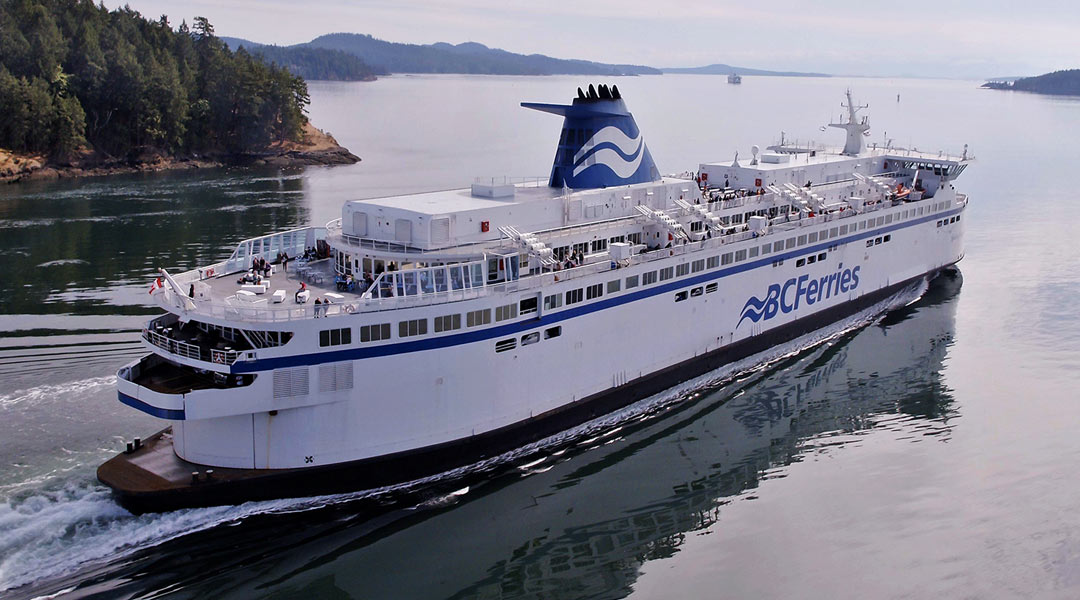
Photo via bcferries.com.
BC Ferries is not a scenic cruise, so why is it priced like one? UVic students rely on BC Ferries to access the mainland for reasons ranging from visits home to accessing healthcare. Ferry travel may be priced like a luxury, but for many students, it’s a necessity.
BC Ferries charges $20 for a walk-on ticket and up to $105 for vehicles. In a statement to the Martlet, BC Ferries recommended that students take advantage of Saver fares, which are available on select sailings. At those prices, a walk-on ticket costs $15, while vehicle fares range from $49 to $89. But Saver fares are limited, inflexible, and often inconvenient for a student’s schedule, making the implication that they meaningfully address affordability misleading.
These prices are painfully high for most UVic students, especially while we already face heavy financial pressures, including tuition, rent, and groceries. Ferry trips have become another barrier for students, limiting their ability to participate in their education and community life.
BC Ferries said in a statement that it is “very aware of the financial pressures students face,” and that affordability is a part of its planning. Yet, they offer no concrete plan to improve affordability. Instead, BC Ferries plans to direct its funds to new vessels, terminals, and enhancing digital tools, stating that these changes will benefit all customers, including students.
Despite this barrier, the University of Victoria Students’ Society (UVSS) has not stopped pushing for change.
In January 2025, the UVSS, spearheaded by former Director of Campaigns and Community Relations Isabelle Easton, had route 76 — a direct transit line from UVic to Swartz Bay Ferry Terminal — reinstated, though with limited service.
Now, the UVSS and Michael Caryk, the current Director of Campaigns, are actively campaigning to secure reduced ferry rates for students. “For many UVic students, ferries are not optional; they’re a lifeline,” Caryk said in a statement to the Martlet.
Alongside student unions at UBC, SFU, and UBC Okanagan, the UVSS is lobbying provincial government officials and engaging BC Ferries leadership. They are also mobilizing student voices and sharing evidence from similar successful discount programs. These student unions are calling for a flat-rate ferry fare of $10 for post-secondary students, modelled on existing discounts in place for K-12 students.
While Caryk notes that there are some concerns about lost revenue, a key point of resistance for their campaign, students typically travel during off-peak hours, filling empty seats.
To address these concerns, Caryk said, this coalition of student unions have proposed a one-year pilot program offering $10 fares for post-secondary students during off-peak sailings. This would give BC Ferries data on both ridership and the costs of putting students’ affordability first, before committing long-term.
UVic has experience negotiating transit solutions for its students through its U-Pass Program, which allows students unlimited access to local transit at a subsidized rate. Their support in pushing for affordable ferry access would be invaluable. Affordable transportation, after all, is essential for student success. When students can’t afford travel, they lose connection to their communities, which increases the already high pressures associated with being a university student.
A $10 student fare is not radical; it is reasonable, sustainable, and long overdue. Ferry travel must be recognized as essential public infrastructure, and students should have access to it at subsidized or reduced rates –– like they do on other forms of public transit.