

Reflecting on reclaiming time in a digital world
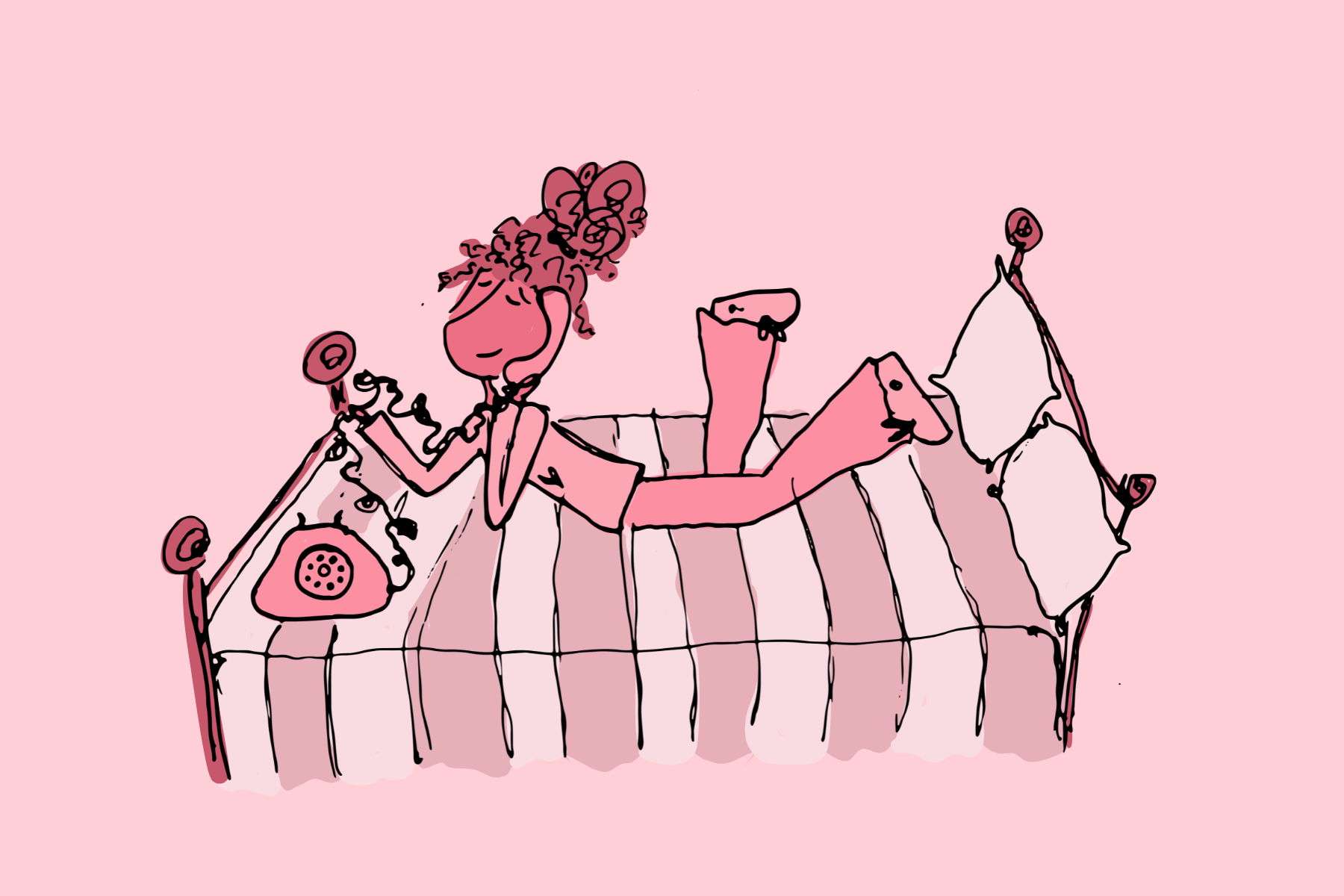
Illustration by Sage Blackwell.
At some point, time started to feel strange. My days blurred together, time went by faster, memories became harder to place, and endless scrolling ensued.
Phones promise connectivity and efficiency, yet leave many of us feeling detached from our own lives. As 2026 arrived, a quiet resolution grew inside me: to “go analog.” To read physical books, write things down, create, and spend time in the moment, without needing to document my life as it goes by.
The analog trend stems from a feeling many of us experience, but struggle to articulate — that time feels broken. With technology so readily available, it can be hard to understand and fully experience the passage of time. I know that when I decide to sit down and scroll, the hour flies by. When my attention is constantly drawn towards social media, and the digital lives of other people, days flatten into sameness.
Phones and social media have become embedded into our daily lives through the proliferation of digital navigation systems, online finances, music streaming, websites we use for school and/or work, and other essentials. Social media has become the primary ways we stay in touch with friends and family, whom we no longer see regularly in person. There are pros and cons to phones and social media, of course, like how they can keep people in contact, share stories and news from around the world, and foster creativity.
However, they also increase our screen time, become addictive, and create mental health problems.
In response to these harmful impacts, we have seen a rise in discussions about unplugging, and returning to analog habits at the start of the year. It is no surprise, then, that many people are putting their phones down and turning toward hobbies that demand attention and presence.
The growing desire to “go analog” is not a rejection of technology, in my view, but instead a reimagining of how we spend our time. It is about refusing to let technology dictate the rhythm of everyday life. As more people question where their time goes, and how it feels to live inside it, presence becomes something worth protecting. Being aware of how you spend your time becomes vitally important, as it grounds you to your actions.
“Going analog” means getting off your phone: to create, or simply to spend your time doing something more fulfilling than doomscrolling. The desire to go analog and unplug reflects a cultural shift in how we value time, and suggests that many of us want to feel more present in our day-to-day lives.
Doing so does not entail strict rules; rather, it asks us to be aware of how we are spending our time. It does not require deleting every app, or abandoning phones altogether. Instead, it encourages intentional choices like reading physical books, keeping a journal, experimenting with photography, creating physical art, or engaging with hobbies that involve and actively engage the hands and the mind.
Analog habits also encourage us not to be available all the time — something we often take as a necessity in the digital world; having our phones glued to our sides make us think that, if someone calls or texts us, we should be able to respond right away. People’s constant availability has become something we, as a society, are used to. Going analog offers us the chance to feel time again, to let days take on more shape, and to remember that we do not have to be available at all times to be fully alive.
Substituting the physical for the digital is one way we can reclaim that time. Hours spent on Instagram, looking at other people’s photos, could be substituted with going outside with a camera, and taking your own photos. Personally, I decided to start carrying around a notebook, instead of using my phone’s notes app, to fill with my thoughts, reminders, and to-do lists.
Analog activities demand patience and attention in a way that endless scrolling does not. These hobbies cannot be sped up, skipped through, or consumed passively. They require thought, patience, and attention. As a result, they create moments that feel tangible and memorable.
Choosing analog habits encourages us to be in tune with where we are, and forego the constant impulse to check, refresh, or document. Our phones make it seem like we have to be available all the time. We don’t.
My experience going analog has been a positive one. Once I decided I didn’t live on my phone, I was able to disconnect and experience my life. Instead of seeing people on social media doing what I’ve always wanted to do, I started actually doing it. You can too.