
The film follows rural communities organizing to grapple with the aftermath of the 2018 wildfires
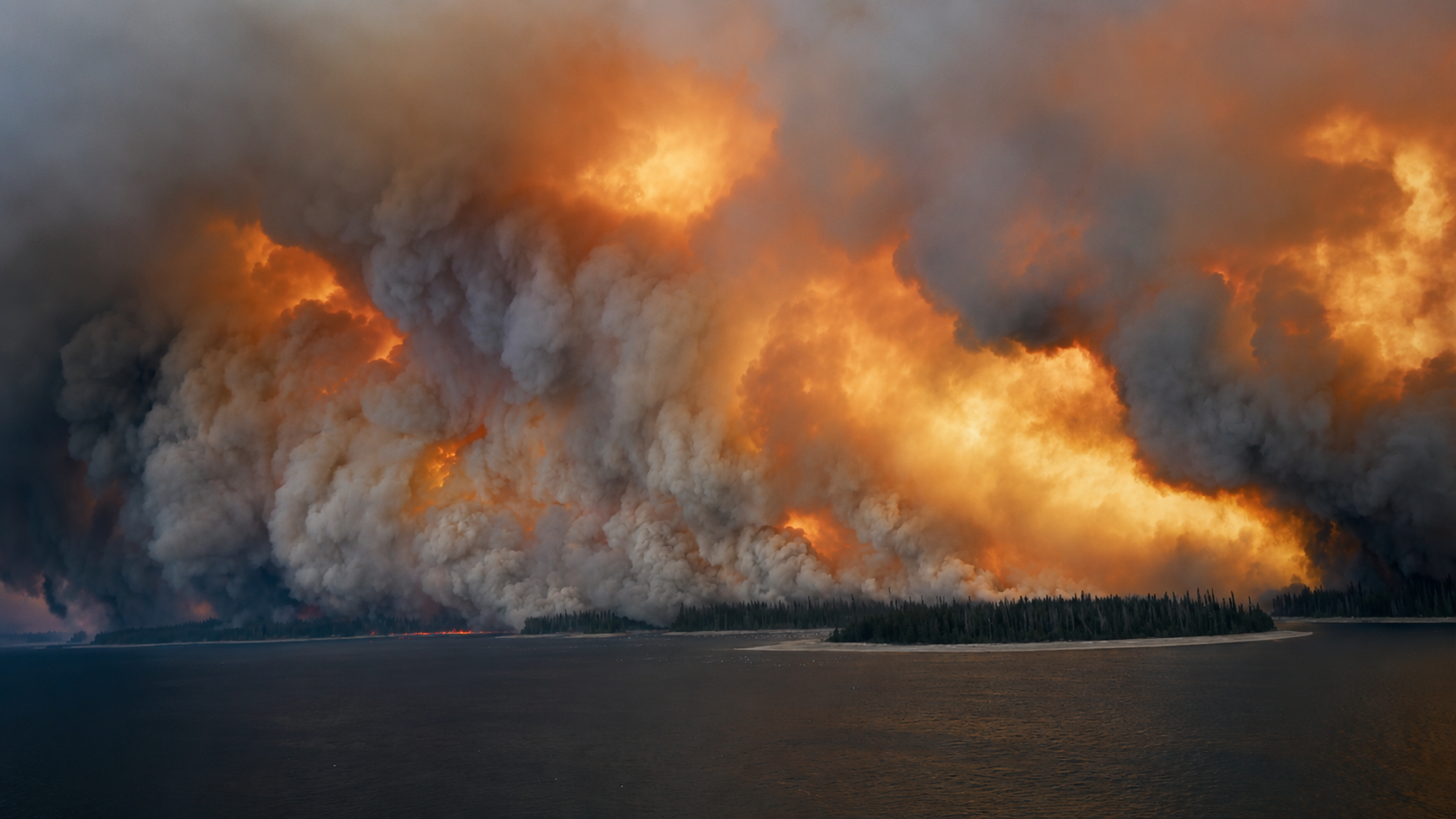
Film still courtesy of Josias Tschanz.
What first started as a collection of videos documenting the 2018 northern BC wildfires to encourage donations, slowly became a feature length documentary depicting the realities rural communities face in the aftermath of the wildfires.
The Fire In Our Hearts, directed by Canadian-Swiss filmmaker and producer Josias Tschanz, depicts how rural northern B.C. communities worked together to protect their communities from the Burns Lakes wildfires.
The documentary is personal to Tschanz. Southside welcomed Tschanz with “open arms” when he moved from Switzerland at 16 years old. His parents still lived on their property during the fires.
“The biggest asset that I did have, which makes the film quite intimate, is [that] I had the trust from locals,” said Tschanz. “When it comes to protecting the land that you love, it doesn’t matter where you’re from.”
The film follows residents from Southside, Cheslatta Village, and Burns Lakes, forming an emergency response team to handle the aftermath of the wildfires. Their organizing was prompted by the provincial government’s inefficient response to the fires.
The Cheslatta Carrier Nation received funding from Rio Tinto, a Canadian mining company, to sponsor the acquisition of fire trailers, which are now stationed around Southside.
Corrina Leween, former Chief of the Cheslatta Carrier Nation, was part of the emergency response team during the fires. “Everybody just came together. It was phenomenal,” she said.
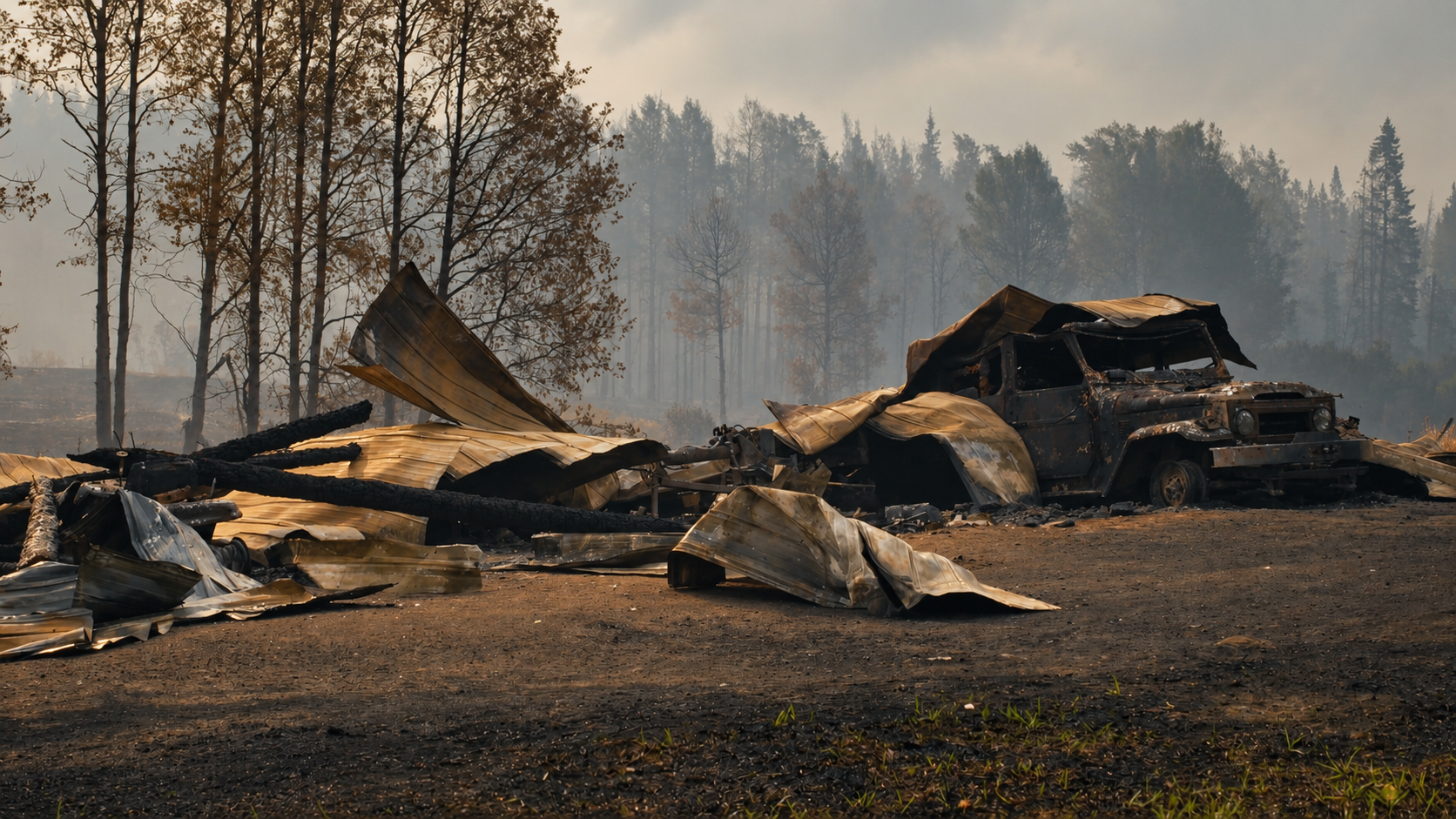
Film still courtesy of Josias Tschanz.
To create a balanced film that captured every voice, Tschanz had to shelve his biases and film with a “journalistic view.”
“I blamed BC Wildfires [and] the government for dispatching all these RCMP officers, but then I realized it was a much deeper problem,” said Tschanz
“The problem really is policies that no longer reflect the current [state of] climate change, but also policies that are so outdated that they don’t reflect what smaller communities can offer.”
Tschanz told the Martlet that documenting The Fire In Our Hearts was unlike anything he’s worked on before, citing tight budgets and a tiny film crew as the primary reasons. The majority of the film is shot by Tschanz alone, either in the thick of the wildfires, or capturing survivors’ stories afterwards.
The film has already been screened at multiple film festivals, and won “Best Environmental Film” at the Activists Without Borders film festival and the Sundar Prize Film Festival. Leween presented the documentary at the 4th National Climate Gathering hosted by the Assembly of First Nations.
The documentary started its theatrical release in Calgary this October, and is screening at Cinecenta on Nov. 2.