
On Oct. 17, residents in the City of Victoria and District of Saanich will be faced with a non-binding public opinion question on whether or not the two municipalities should merge
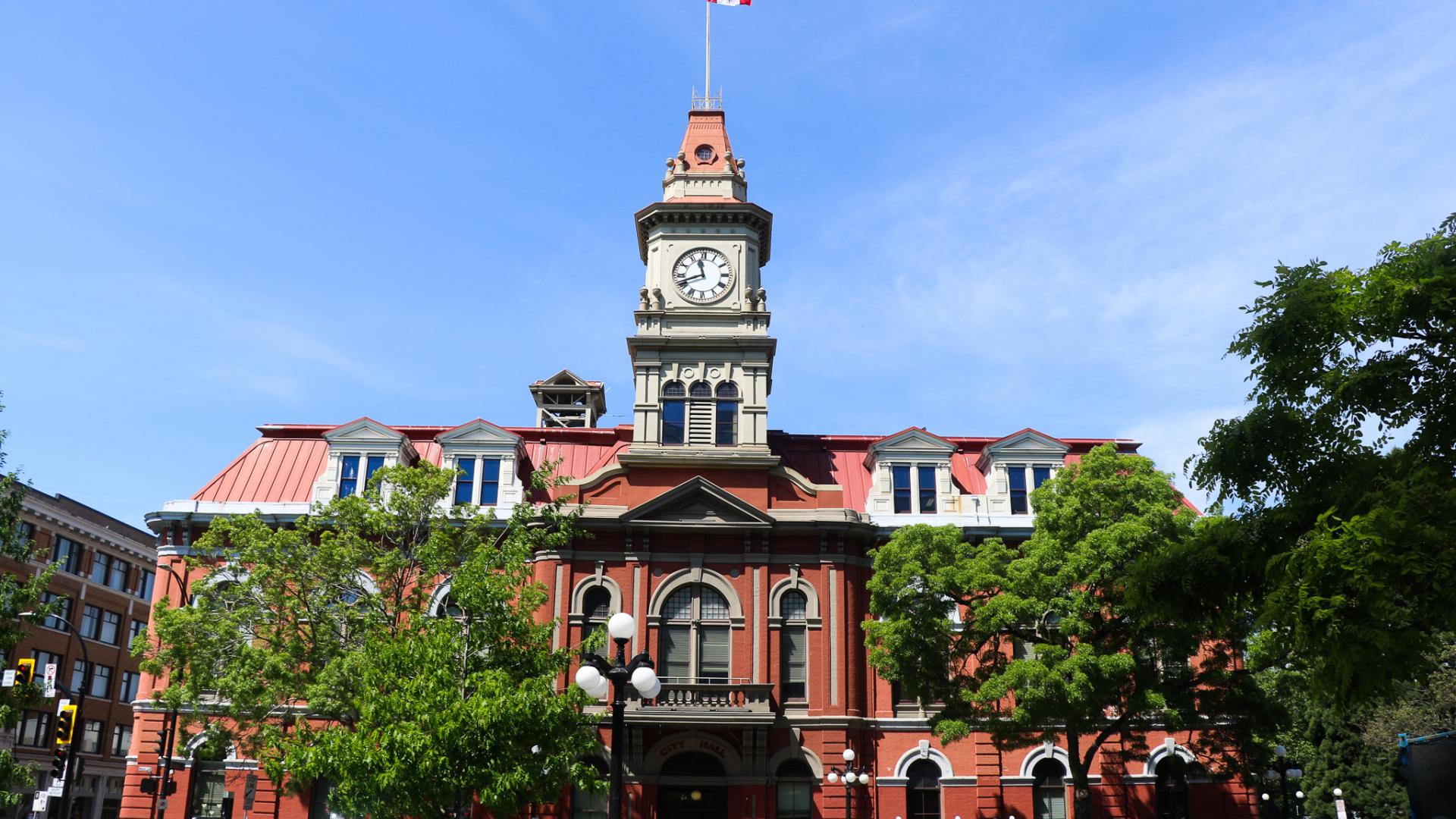
Photo via the City of Victoria.
On Oct. 17, voters in the District of Saanich and City of Victoria municipal elections will see a non-binding, public opinion question on whether the two municipalities should amalgamate (merge) on the ballot. The two municipalities are the largest in the Capital Regional District and both contain a large number of UVic students.
A citizens assembly, composed of 48 randomly-selected residents from Victoria and Saanich, studied amalgamation for eight months, hearing from “expert speakers,” reviewing technical studies, and more. The assembly eventually recommended the two municipalities amalgamate, with six residents writing minority reports against amalgamation.
In the minority reports, residents expressed that many issues facing the municipalities could be addressed through cooperation, and that amalgamation is unnecessary, the evidence was unclear if amalgamation would actually be beneficial, and amalgamation may not reduce costs “significantly, if at all.”
Supporters in the citizens assembly identified several perceived benefits to amalgamation, including removing administrative barriers to allow “seamless” transportation between the areas, improved community planning by “harmonizing” zoning and land-use planning, and the potential for a larger municipality to act as a stronger regional leader on climate issues.
Advocates for amalgamation argue the two municipalities are already so intertwined, due to their shared border and the frequency of travel between both communities, that amalgamation will result in better transportation, utilities, and other infrastructure. They believe the amalgamation will allow both communities to tackle broad reaching issues like climate and housing together.
They also suggest that having one larger capital city will bring in more investment and economic opportunities, and that emergency services will better be able to respond to emergencies, which “don’t recognise municipal boundaries,” among other advantages.
Trevor Barry, who advocates for Amalgamation Yes, told the Martlet that while amalgamation does not always deliver anticipated cost saving benefits, an amalgamated Victoria and Saanich could improve service delivery. By consolidating under one municipal body, he argues, services such as biking infrastructure could be carried out more effectively.
Barry said that there are bad examples of amalgamation, such as Toronto (which was amalgamated without majority support, and was costly to tax payers), but that Victoria and Saanich are already very compatible as “corporate entities [and] populations.”
Barry is also running for the SD61 school board, representing Saanich if elected.
Conversely, Stop Amalgamation argues it will create a government that is too large and won’t listen to its constituents, the departments will become bloated, and the purported economic advantages will result in a city that “grows without purpose, destroys without vision, and spends without discipline.”
Ben Cowie, an advocate against amalgamation, told the Martlet he believes there is a high administrative cost to amalgamation and little upside. Cowie also said that, from his experience living in amalgamated cities, local governments become less responsive to citizens post-amalgamation, and that he believes it’s harder to access councillors when they represent larger populations.
The question on the municipal election ballot for both Saanich and Victoria is non-binding, and is designed to gather public opinion on the issue. It does not mean Saanich and Victoria will amalgamate if a majority vote yes. Originally, the citizens assembly recommended holding a binding referendum in October, and many local politicians also pushed for a binding question. However, the Ministry of Housing and Municipal Affairs put the binding vote on hold, saying further work is required on the proposal and that the public needed to be provided more information before approving a binding referendum.
If Saanich and Victoria were to move forward with a referendum (the earliest realistic date is now 2030), a majority of residents in both municipalities would need to be in favour of amalgamation for it to occur.
Voting for the 2026 local general elections will be held on Oct. 17. The elections will include voting for new mayors and councillors, regional district directors, school board trustees, parks boards, and the Islands Trust. More information on this year’s local general elections can be found at elections.bc.ca, the B.C. government’s voter guide, local elections 101 brochure, and 2026 local elections FAQ page. The Martlet also has an election explainer and coverage of local candidates.