

What local organizations want you to know about suicide prevention this September
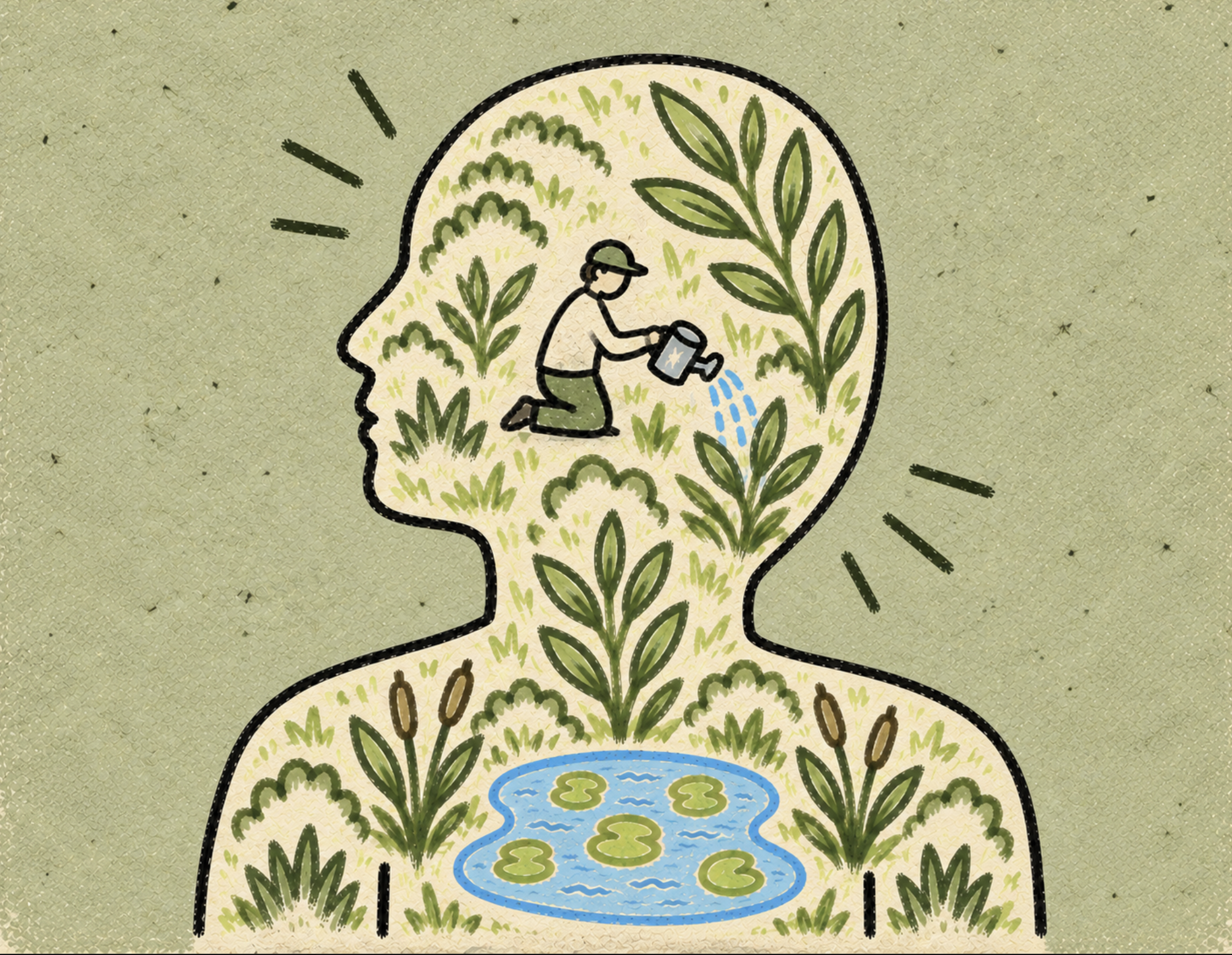
Illustration by Sabina Mendoza.
The Canadian Mental Health Association (CMHA) recognizes September as Suicide Prevention and Awareness Month, coinciding with World Suicide Prevention Day on Sept. 10, as marked by the World Health Organization. This month, local organizations are continuing to battle the stigma that surrounds discussions of suicide.
“This year, it’s all about changing the narrative, talking about it … using the word [suicide],” said Lyndsay Wells, community education program manager with the Vancouver Island Crisis Society.
The Vancouver Island Crisis Society provides suicide crisis support across the island. The Society reported that 6 934 calls were made from the Victoria area between April 2025 and March 2026. Of these calls, 46 per cent were about mental health and substance use, whereas 21 per cent were suicide related.
In 2025, a report released by a death-review panel convened by the BC Coroners Service presented five new recommendations to reduce the rate of youth suicides in the province. These recommendations include implementing a province-wide “suicide-risk-reduction framework,” bettering third space communities where youth can connect, increased training for healthcare workers to properly handle cases of youths at risk of suicide, improving data collection in B.C. communities, and reviewing resources in schools to address the diverse needs of students.
According to the BC Injury Research & Prevention Unit, suicide is the second leading cause of death for 19–24-year-olds in the province, and the third leading cause for 10–18-year-olds.
Wells manages programs for people actively thinking about suicide with the Vancouver Island Crisis Society, as well as educational programs helping youth develop personal coping skills, build resilience, and strengthen their communication. Wells has taught clinical psychology practicums at Vancouver Island University (VIU), and has become aware of mental health struggles post-secondary students have.
“I’ve done quite a bit of work with university students who are coming into Canada, [with] English as their second language or students that are in residence … [some are] struggling with thoughts of suicide and homesickness,” said Wells.
The Peer Support Centre at UVic promotes the idea that suicide prevention isn’t just about accessing help in times of crisis; it looks like taking care of yourself. The centre is run by trained student volunteers and staff to support other students who want to discuss subjects like mental health. Peers at the centre are equipped to share resources and help individuals navigate student life at UVic.
“There’s so many resources out there, there’s so many people who are willing to be there and want to be there for you. And at the Peer Support Centre, we have so many volunteers, and they are just looking to help people,” said the centre’s Outreach Officer Sarah Edgar. “They’re looking to be there and to be a place to listen.”
Wells said that fears of having problems perceived as “too small” to warrant contacting a crisis service often prevent people from accessing essential services.
“We like to let [callers] know they can reach out for help and talk to someone or text someone, and we will problem solve and we will listen to them and we will give them resources if needed. And if there is another level of support [needed], we can make that happen,” said Wells.
“Everybody at UVic … can text 988 or call,” she said. “There’s no problem too small.”