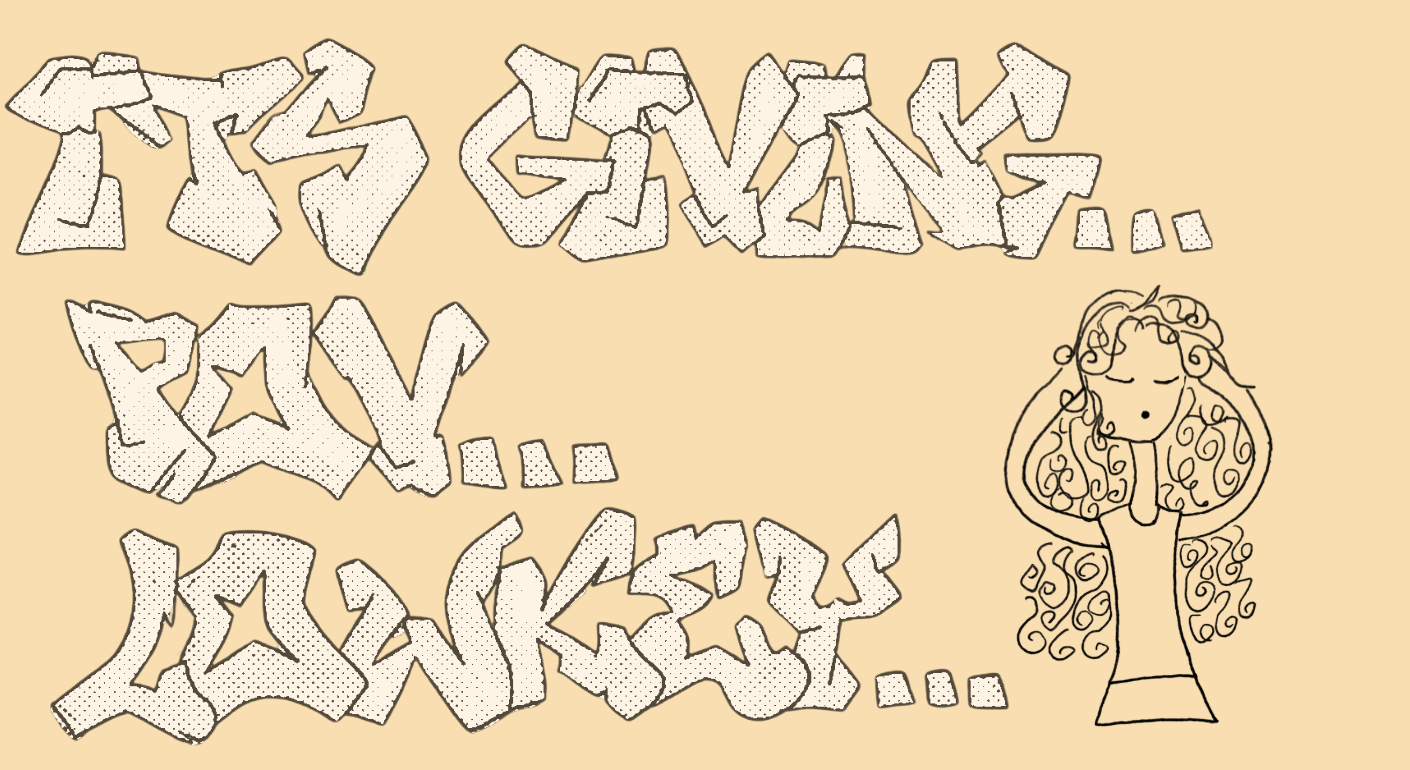


Graphic by the Native Students Union
Bill C-39, the Building Canada Strong Act, has passed its second reading in the House of Commons and is swiftly being presented at a special Senate meeting — bypassing the standing committee review process.
This bill, if passed as law, will prioritize any “investments in projects that support jobs and economic growth” to ensure the strength of our settler-colonial state in late-stage capitalism.
These investments pertain to projects that, with the help of Bill C-39, will accelerate infrastructure approvals through quick-decision making while undermining Indigenous communities and governance (despite what the government website says).
The federal government’s website is quick to say that this act will prioritize Indigenous people, utilizing buzz words like “reconciliation” and “Indigenous rights” and “consultation” but the language couldn’t be clearer: this bill prioritizes capitalistic endeavors over the wellbeing of Canadian citizens.
Through the power of positive language, the liberal government is skilled at painting Indigenous harm as a national necessity and Indigenous participation and inclusion as an economic and bureaucratic obstacle.
The Conservative Party of British Columbia is in full agreement with this attitude, centering the repeal of the B.C.’s Declaration on the Rights of Indigenous Peoples Act (DRIPA) in their political campaign during David Eby’s snap election back in October, which resulted in a Conservative majority.
The potential repeal of DRIPA in B.C. partnered with the fast-tracked reading of Bill C-39 reaffirms that settler systems do not respect Indigenous voices, Indigenous powers, Indigenous rights, or the lands that all Canadians call home.
The Assembly of First Nations (AFN) wrote in a letter to the government outlining concerns that are not new. The Government of Canada gave AFN 30 days to respond to the proposed legislation. Given the size of the document, the timeframe was not enough for AFN to respond to all parts of the bill, leading to a month’s extension after feedback/criticism.
AFN said that inaccessible timeframes are a pattern, mentioning that in 2025, they were only given a week to provide feedback on the One Canadian Economy Act (Bill C-5). These short timeframes meant for meaningful engagement are treated as a checkbox in the bureaucratic process, instead of as an opportunity for authentic relationship-building.
Relationship-building is a centered and communal effort in Indigenous ways of doing. To not recognize and reciprocate this effort is a type of disingenuous behavior that’s continuously masked with promises of finding an alternative to settler-Indigenous partnership.
Regarding DRIPA, Grand Chief Stewart Phillip, in an interview with CBC said that the Conservative Party of B.C. pushed the narrative that DRIPA has been unsuccessful for the province, and there are other ways to commit to working with First Nations groups.
However, this is not the full truth.
Pre-DRIPA, B.C. court cases involving Indigenous territories and their caretakers relied on Section 35 of the Constitution, which protects Indigenous rights and holds governments accountable to their duty to consult before resource development.
In addition to Section 35, DRIPA unanimously passed in 2019 and has seen successes, like the Eskay Creek project in Stewart, B.C.
This project is a gold and silver mine whose construction was approved through Section 7 of DRIPA in partnership with the B.C. government and the Tahltan Central Government and is estimated to be a billion-dollar economic success.
Court cases involving Indigenous lands are costly, cause political contention, and developers have shown they’re less inclined to seek approval of First Nations before injecting themselves on stolen land.
DRIPA offsets some of these issues by providing pathways for mutual respect and benefit, reconciliation, and relationship-growing. If repealed, Indigenous groups in litigious situations will fall back on Section 35.
B.C. Conservative Leader Lorne Doerkson says he’s committed to economic reconciliation with First Nations, but his commitment to repeal an already massive step towards reconciliation contradicts that incentive.
B.C. Indigenous court claims aren’t completely left in the dark if the B.C. Conservatives repeal crucial relationship-building legislation and Bill C-39 plows through the province, but relationships between governments and Indigenous leaders will be strained.
Public reactions from that strain are yet to be determined.
Indigenous rights being debated is continuously disappointing but not surprising. These political decisions won’t solve the problems they wish to mend and will hurt Indigenous communities in the process.
I agree that the economy is at risk, but the solution should not involve Indigenous harm.