
The 1993 TV adaptation of Zhang Kangkang’s 1986 novel is now accessible online with Mandarin-Chinese and English subtitles
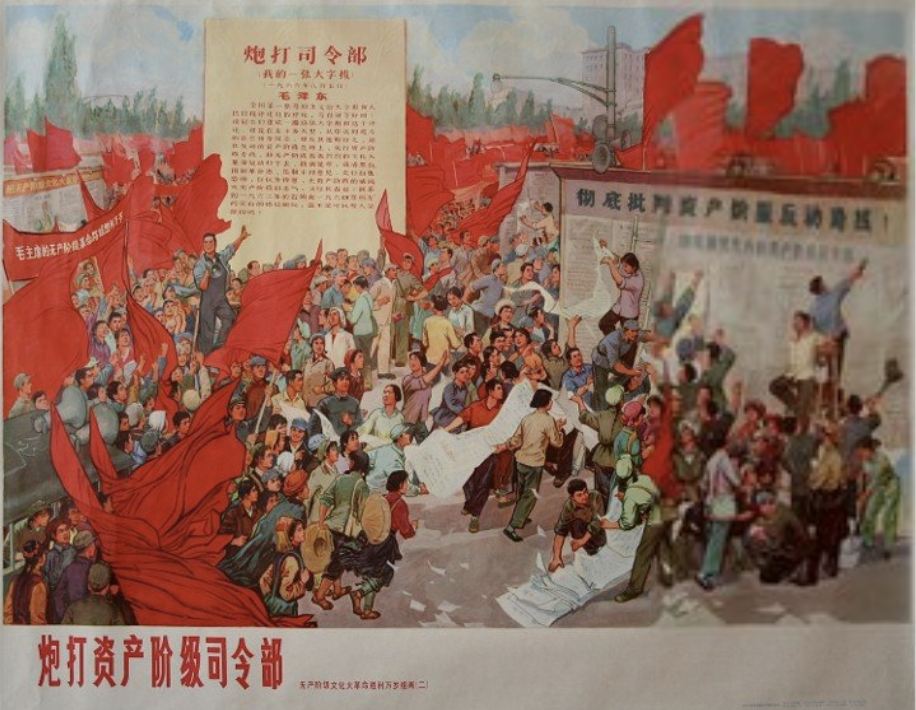
Image via UVic Libraries.
UVic Libraries is partnering with the UVic Centre for Asian and Pacific Initiative (CAPI) to host a digital exhibition, “Echoes of an Awakening Generation: The TV Series of Zhang Kangkang’s Novel.” The exhibition launched on Sept. 10, showcasing rare Chinese tape recordings of the TV-series adaptation of Zhang’s 1986 novel The Invisible Companion.
“One of [CAPI’s] mandates is to connect with Asia, bring UVic and Asia together, and help facilitate Asia-related things on campus,” said Katie Dey, CAPI’s communications and office manager.
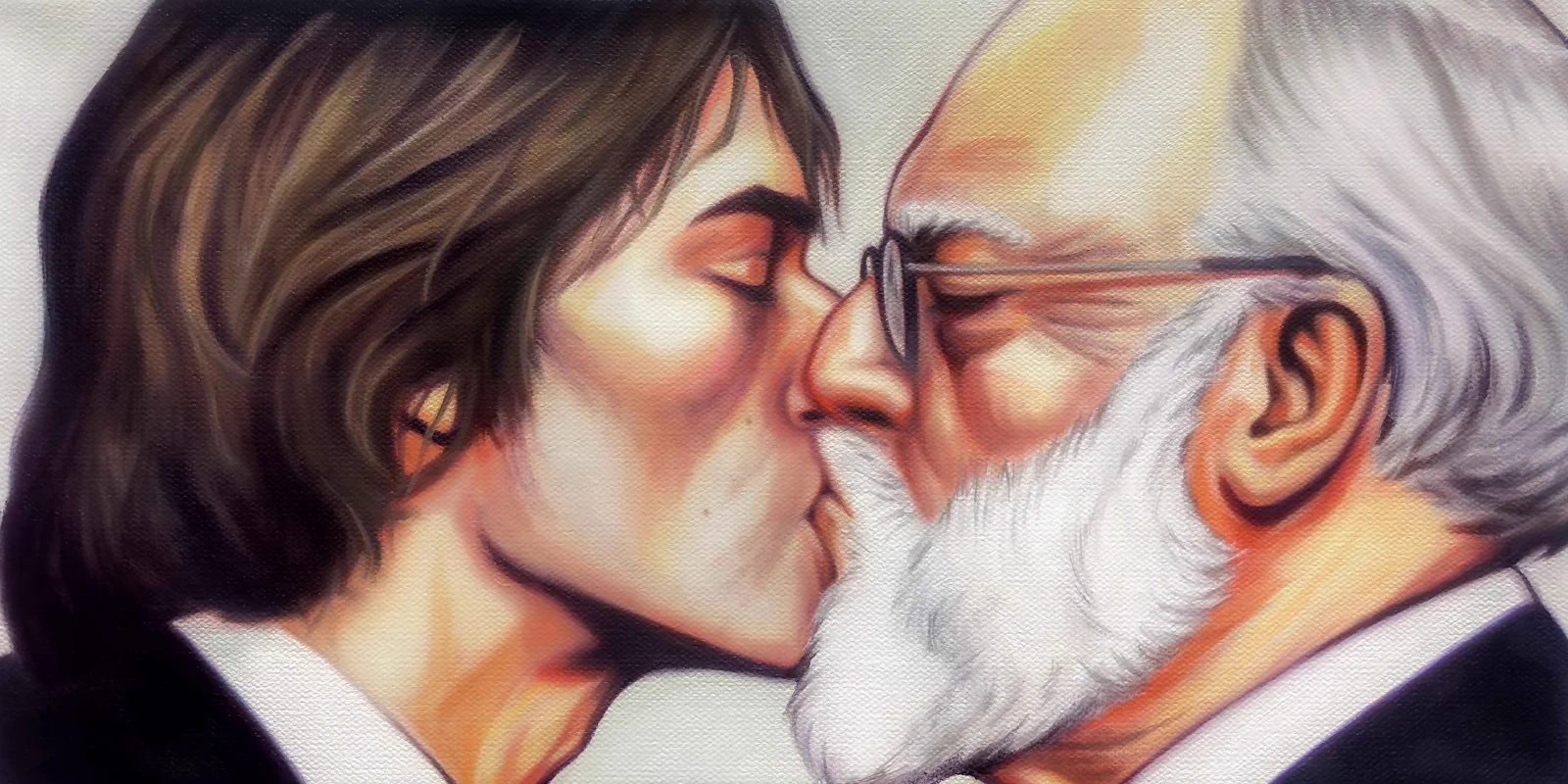
The digital exhibition includes video recorded interviews between Zhang and former UVic professor and CAPI director Dr. Richard King, written letters between Zhang and former UVic professor Daniel Bryant, as well as other educational resources and historical background information.
The recorded interviews are a seven-part series, in which King asks various questions, including about Zhang’s experience working on the fields, her relation to Bryant, and what writing The Invisible Companion was like.
Letter correspondence between Bryant and Zhang are accompanied by descriptions that contextualize the exchanges.
The Invisible Companion takes place in China during the Cultural Revolution. The novel centers on an idyllic urban girl, Xiao Xiao, who is “sent down” to labour in rural and often harsh environments, later disillusioned by her expectations. Xiao Xiao’s situation is a reality many shared in China in the 1960s during Mao Zedong’s rule, including Zhang, who laboured near the Chinese-Soviet border during her state-mandated service.
Zhang has ties to UVic beyond the upcoming digital exhibition. The Invisible Companion was translated into English by Bryant in 1996, and from then on, the two maintained a close relationship until Bryant’s death in 2014.
Bryant received ten recordings of the TV-series from Zhang when it first aired, which are now being showcased with Mandarin-Chinese and English subtitles.
“It was never shown on national television … we have probably the only set of videotapes that got out of the country,” King said.
According to King, the day of the exhibition launch serves as a “soft launch” for a larger event that will soon follow. The aim is to drive up interest in a new Pacific and Asian Studies course on modern Chinese literature and culture, taught by Dr. Angie Chau, which will use material from the project.
“Echoes of an Awakening Generation” was a project years in the making. King had been working on the project for years; only recently did UVic Libraries join with CAPI to promote the exhibit. In 2024, King interviewed Zhang, asking questions about her writing process and how closely Xiao Xiao’s story mirrors Zhang’s own experiences..
The digital exhibition will remain online beyond Sept. 10, and its multimedia contents are easily accessible. The exhibit was put together in partnership between Dr. Richard King, Pacific and Asian studies librarian Ying Liu, Fine Arts librarian Bill Blair, and CAPI.
Dr. King stated that the “clearly historical” aspect of the exhibition could be what UVic students will find interesting about the exhibit, especially international students from China who might know very little about this part of China’s history.
“[Chinese international students] would not come to UVic with an interest in learning about this, because they’d hardly have heard of it, ” said Dr. King, “any more than Canadian students would necessarily come in wanting to know about trade unions in the 1920s in Western Canada.”
The exhibition launch on Sept. 10 will take place at the McPherson Library from 12 to 1 p.m. Registration to attend the event can be found here.