
An Offbeat by CFUV Review
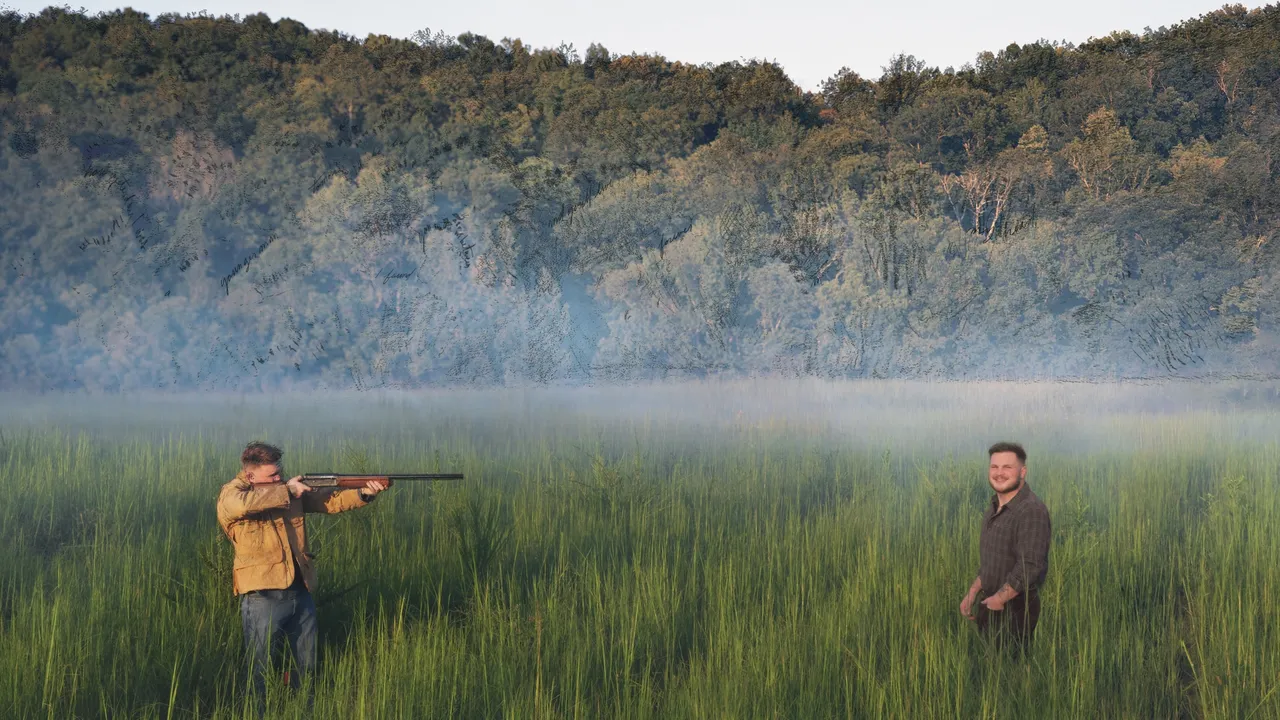
Image via Warner Records/Belting Bronco.
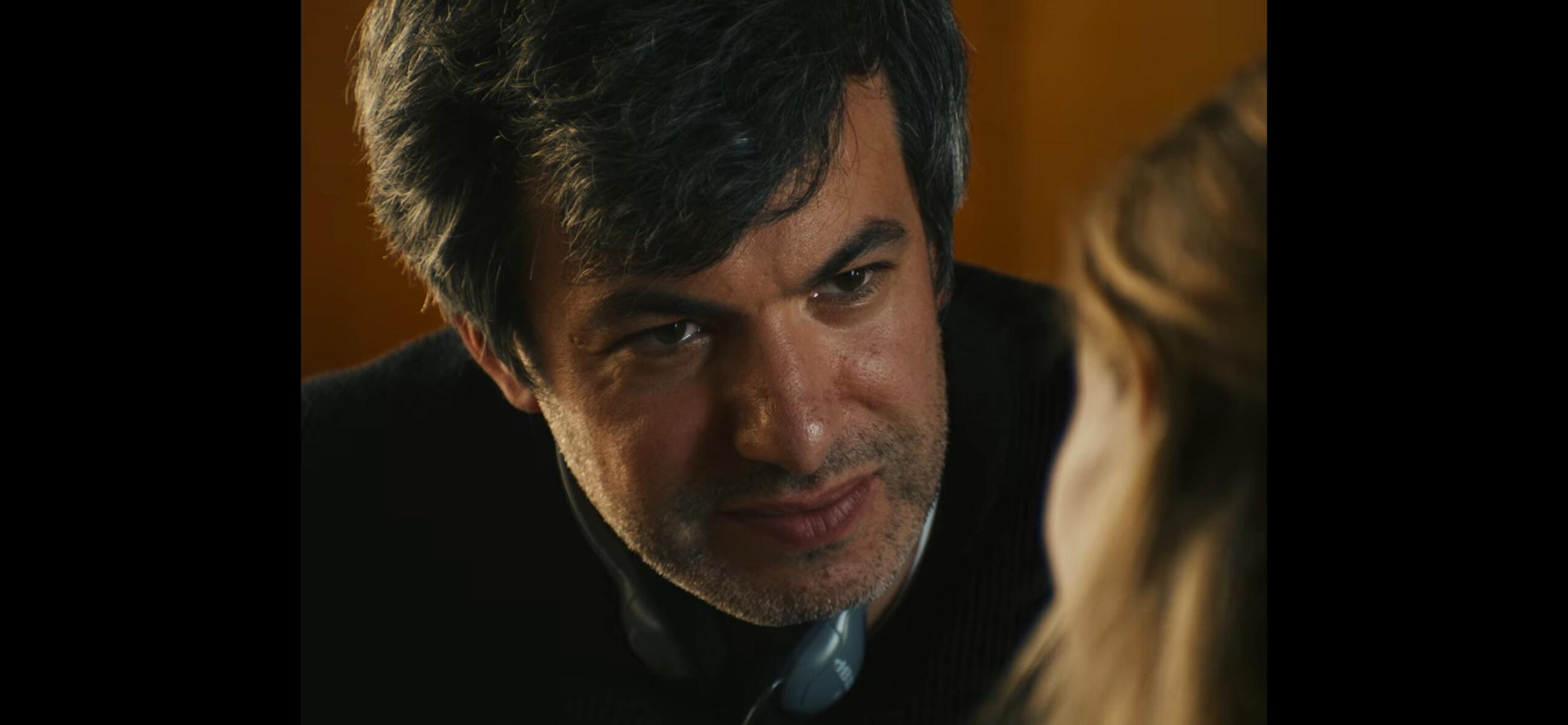
“If you ride like lightning, you’re going to crash like thunder,” Robin (Ben Mendelssohn) says to Luke Glanton (Ryan Gosling) in the 2012 film The Place Beyond the Pines. These words open the song “Dog Days,” the fourth track of Zach Bryan’s EP Young Manhood and Other Donatable Organs (YM&ODO), released on Oct. 16.
While this quote serves as a warning to Gosling’s vagabond character in the film, it could just as easily apply to Bryan himself.
YM&ODO comes nearly a decade into the artist’s career, written during his largest tour to date. The album represents a climactic point for an artist all too familiar with living the reckless life, and the influence of the quote drags through the album.
Bryan grew up in poverty in the aftermath of 9/11. He enlisted at 17, but like many veterans of the War on Terror, Bryan’s views on American greatness have changed. The recent actions of the American administration have forced Bryan to confront his own ideals and question what it means to be a so-called “country” singer, following in the footsteps of idols whose work is inseparable from the American identity.
After someone at his shows called out his neutrality on ICE’s abductions of American citizens, Zach Bryan became outwardly political in his music, starting with the anti-ICE track “Bad News” on his previous album With Heaven on Top. Since then, he has toured with Bruce Springsteen, and stood up against the blacklisting of Macklemore by wearing a “Free Palestine” shirt at Gillette Stadium; small steps in a journey that has seen Bryan become more politically outspoken like his idols before him.
He backs up his newfound stance on YM&ODO with the song “Robot Killed the Working Man.” The track opens with a staccato of soundbites, given by “The American Dream” Dusty Rhode in a 1985 WWE promo, on the danger posed by automation to the average worker.
By using the words of a famous wrestler, a formerly dominant piece of American culture now fully corrupted by both capitalism and conservatism, Bryan explores how working-class culture has been corrupted by the American right, and his own complex role within that culture.
The song suggests that Bryan resents how his genre of choice, Americana, is considered music “by and for” conservatives, a view that he has repeated time and again in interviews. While still using banjos and six strings in his music, Zach Bryan has shifted his image from typical country star to a working-class darling.
The album breaks new ground for Bryan in terms of his political expression, though several of the EP’s tracks continue to tread the old ground of personal strife that has defined his career since it began with DeAnn.
Both tracks featuring other artists — “Lies” with Lana Del Rey, and “Plainsman” with fellow Oklahomans the Turnpike Troubadours — revolve around relationships. The former is a soft duet, with Del Rey taking on the part of a past partner, as the two sing to each other about the lies they use to keep their relationship afloat.
The latter sees Bryan collab with one of his biggest influences, and one of the few groups who can understand his anxiety about leaving Oklahoma for the wider world.
Most of the music on the EP is written to be retrospective, with “Plainsman” depicting a conversation between Bryan’s past and present selves.
While lyrically, YM&ODO treads similar ground, it also shows off Bryan’s growing musical ability and voice. The lush string production found on past albums like With Heaven on Top remains, but Bryan explores new and incredible avenues sonically on this EP.
The computerized fuzz of the opening on “Lodi When,” the digital barks on “Dog Days,” and the sampled movie dialogue peppered throughout represent Bryan embracing aspects of the computer pop trend of the 2020s, while other tracks like “Lies” and “You’ll Get By” bring little new to his musical portfolio.
Overall, the album shines in showcasing Bryan’s new direction musically and lyrically, and can be considered a rebirth for an artist struggling to reckon with both genre and his identity.
The ideas in YM&ODO can be best summarized by its cover, which depicts two Bryans standing across from each other in a misty field, the “new Zach” on the left preparing to kill the old Zach on the right. The image symbolically represents how one must “kill” their old self to grow into a new, better person.
For Bryan, it represents how he has become a different artist and person than the one who wrote “Lodi When” at the start of the tour.
Newly thirty, sober, and politically energized, Bryan’s efforts on this EP track his career arc up to this point, and prove his artistry nimble enough to ride like lightning and avoid crashing like thunder.