
Bill C-12, which received royal assent on March 26, puts refugees and asylum seekers at risk of being denied residency, critics argue
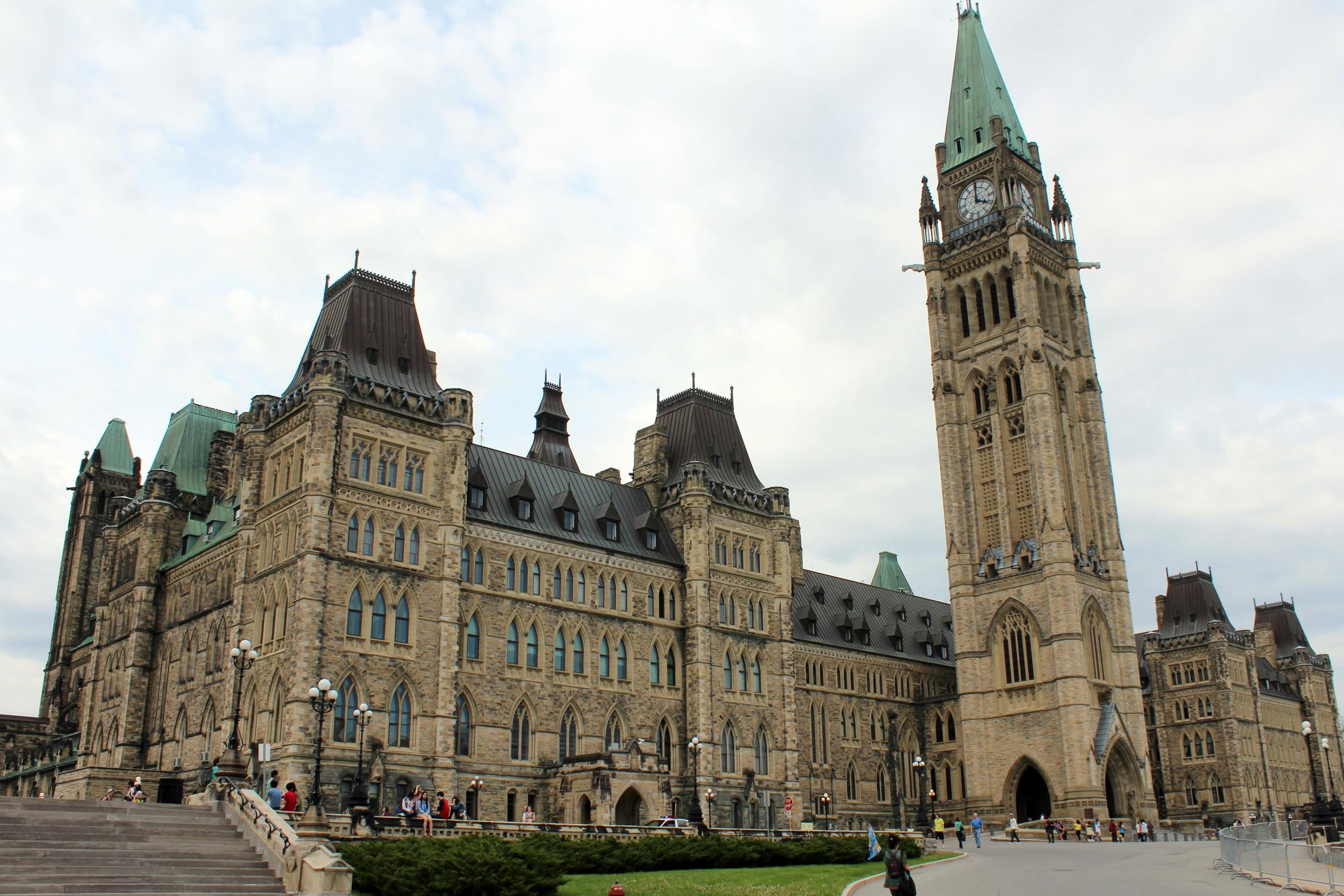
Photo by Ella Wei via pexels.com.
On March 26, the Liberal government passed Bill C-12, the Strengthening Canada’s Immigration System and Borders Act, into law. The bill received significant backlash from advocacy and human rights groups, with Amnesty International publishing a joint statement with 28 signatories, including the Canadian Civil Liberties Association (CCLA) and the Canadian Union of Public Employees (CUPE), calling it “egregious” and an “attack on refugee and migrant rights.”
The bill will amend the Immigration and Refugee Protection Act to allow the Governor in Council to suspend or terminate applications for permanent residence visas, temporary residence visas, electronic travel authorizations, work permits, study permits, or any combination of these applications if they deem it in the “public interest.”
Prior to the bill receiving royal assent, the United Nations Human Rights Committee expressed concern over the bill’s potential to weaken refugee protections, and argued that people pursuing international protections should have “unfettered access” to Canada.
The Canadian Bar Association, which represents over 40 000 lawyers, academics, notaries, and students, published a statement saying they are concerned Bill C-12 “undermines principles of accountability, transparency, and fairness that are foundational to Canada’s immigration system.”
Elizabeth May, leader of the Green Party of Canada and MP for Saanich-Gulf Islands, has been a vocal critic of the bill, and has argued that the bill was not properly studied while in the House of Commons.
There was no recorded vote for the final reading of Bill C-12 in the House of Commons on Dec. 11, 2025, as it was ordered that Bill C-12 be deemed “read” a third time and passed on division, with the only noted opposition being from May.
“On division” allows Parliament to pass bills without taking a vote — even when a decision on the bill is not unanimous — potentially saving MPs from having to publicly support or oppose them.
The Martlet reached out to Will Greaves, the Liberal MP for Victoria, for comment regarding his stance on Bill C-12. Greaves did not respond to this request for comment.
According to the bill, an order is in the public interest if “its purpose is to address matters such as administrative errors, fraud, public health, public safety, or national security.”
Ash Forghani, a lawyer who practices in the area of Temporary and Permanent Residence applications, told the Martlet this could create “significant barriers” for those applying for temporary or permanent immigration documents.
“Under clause 72 of the Bill, the government can refuse to accept certain applications for processing, suspend processing of applications already filed, terminate those applications, and cancel, suspend, or vary documents that have already been issued,” he said.
Forghani said that the bill’s definition of “public interest” is vague, and the “such as” wording potentially allows for the government to cancel applications for reasons not listed in the definition, and does not meaningfully limit the government’s discretion.
In a news release, Gary Anandasangaree, minister of public safety, said the bill was “crucial” to provide law enforcement agencies with tools and authority to deal with “increasing complexity of transnational organized crime.” Lena Metlege, minister of immigration, refugees, and citizenship, said Bill C-12 is strengthening Canada’s immigration and asylum systems, keeping them “fair, efficient, and working as intended.”
Dr. Scott Watson, a UVic professor of political science and expert on migration, told the Martlet that there may be “genuine public safety concerns that transnational organized crime is operating in Canada, and likely engaging in human trafficking and human smuggling,” but that Bill C-12 may not be the most appropriate tool to deal with it.
“I don’t think denying people access to asylum after a year will have any impact on public safety. I think there’s other ways this could be done,” he said. “I suspect from the government’s perspective, it’s one more tool that they can use to address organized crime, but I just don’t think it’s particularly effective, nor should it be done at the expense of people who need protection.”
Watson believes immigration and asylum are important things for Canada to offer, saying they contribute significantly to success in the country, population growth, innovation, jobs, and education.
“Canada is built on … immigration. Now, that comes with a complicated history because it also comes with Indigenous dispossession to facilitate that immigration. But when handled properly, immigration contributes greatly to this country,” he said.
Watson is also concerned over how Bill C-12 could contribute to “further stigmatization” of immigration, saying the government has a tendency to “pick an easy scapegoat” for issues such as the housing crisis. “I worry that … if we have a problem, it’s just blamed on immigrants, rather than actually dealing with the root of the problem itself,” he said.
Bill C-12 also makes it so those who have been living in Canada for more than one year will have their referral claims to the Refugee Protection Division — which hears and decides claims for refugee protection in Canada — be deemed ineligible. This policy will be applied retroactively to people living in Canada since June 24, 2020 and is intended to “reduce pressure” on the asylum system. CBC reported that this would result in approximately 19 000 asylum claims not being heard.
Forghani had concerns over this one-year deadline, noting that people may come to Canada under different permits or visas, or that people may come from countries that have had political upheaval since arriving, and may no longer be safe to return to.
Forghani said some may also face delays due to trauma, fear, or stigma, and that making a claim ineligible more than one year after first entry into Canada risks “excluding people with genuine protection needs based on an inflexible timeline rather than the reality of when danger arises.”
Watson believes Bill C-12 is an attempt to address the backlog of refugee and asylum claims, but that it is a “flawed piece of legislation” and is “misguided” in how it attempts to address the issue.
Forghani believes Bill C-12 is partially driven by the government’s desire to protect the integrity of Canada’s immigration system, and that it must be able to respond to backlogs, fraud, and pressure on resources. However, he said Bill C-12 risks “shifting the balance too far away from procedural fairness and access to justice” and that it could have severe consequences.
“Fairness cannot be a secondary concern. It is what protects the system from being perceived as arbitrary. Canada can, and should, pursue an efficient and well-managed immigration system, but not by weakening the very safeguards that promote access to justice and make the system worthy of public trust,” he said.