
Amid U.S.-Israeli strikes on Iran and Lebanon, we need to learn from history — or risk making all the same mistakes
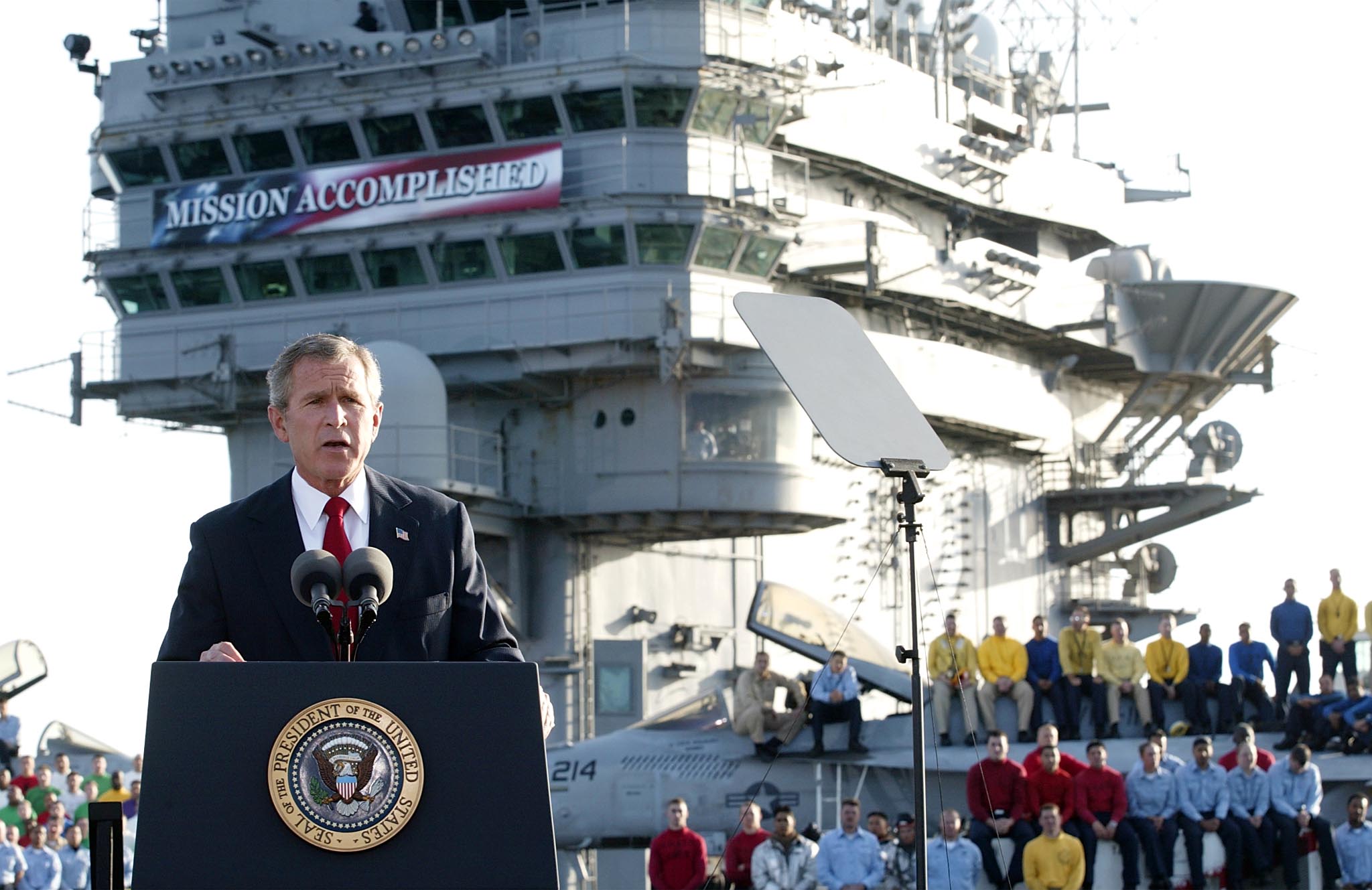
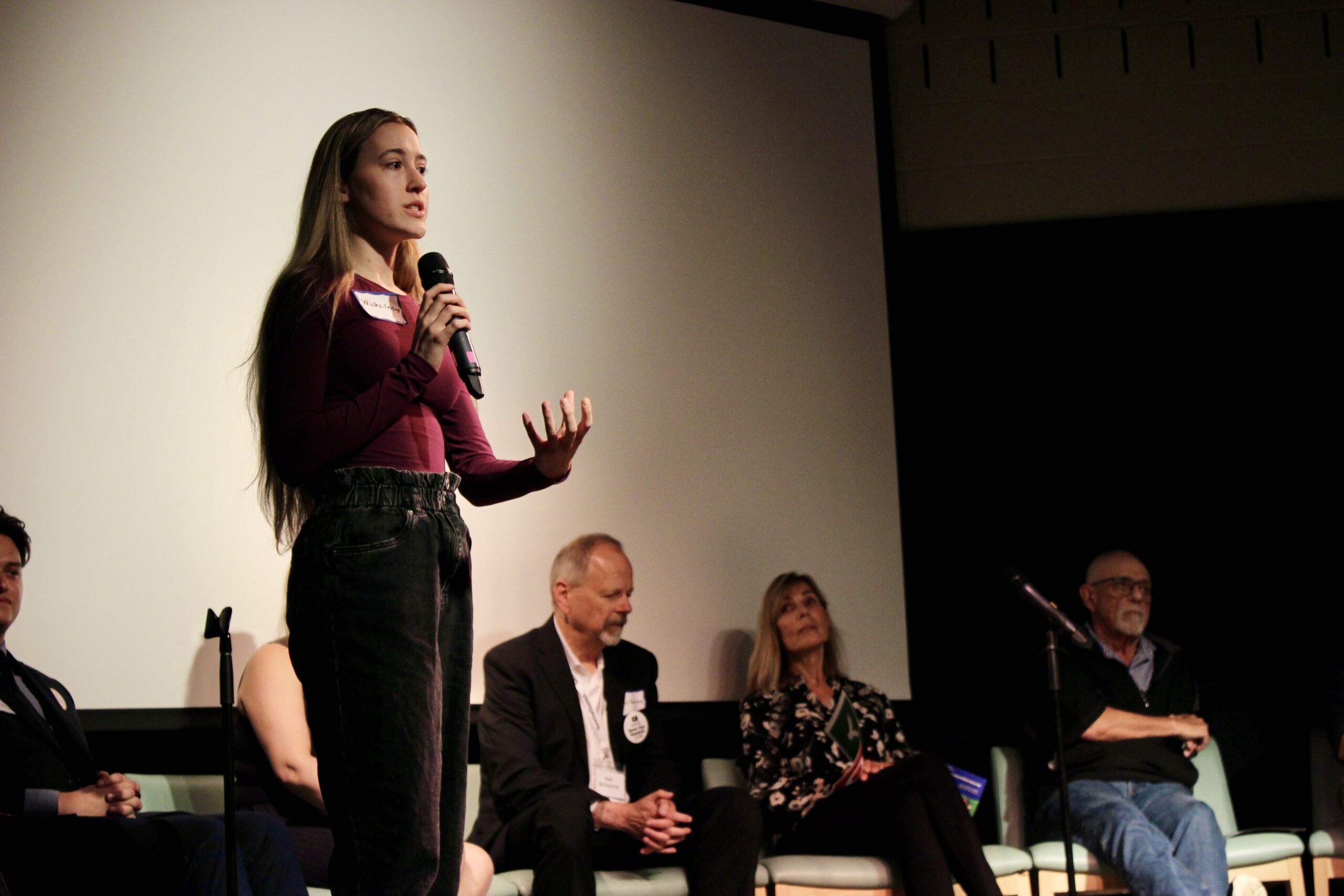
Photo by Stephen Jaffe / AFP via Middle East Eye.
On March 27, 2003, the Martlet published an editorial, titled “Shock and Awe,” responding to the United States’ invasion of Iraq seven days earlier. The pages before and after it were filled with spirited opinions, impassioned letters, and stories about anti- and pro-war demonstrations, including the erection of a “peace camp” on UVic’s quad by a student group at the time, Students Against War.
Sound familiar?
It’s been 23 years, give or take a couple of days, since this editorial was published. That means that 23 years ago, another Martlet Editor sat in our office and tried to think of what to possibly say about a conflict that, despite happening half a world away, touched our campus community. Their conclusion?
“Ultimately, it is important to react, whether it ‘achieves’ anything or not…. So do something. React in your own way.”
Sure, writing an editorial in the campus newspaper might not “achieve” anything, but it does give our readers a chance to know where their campus paper stands, and while also doing what good journalism aims to do — holding a light up to the narratives presented by those in power, and presenting our readers with facts they may not otherwise have.
In the 23 years since this editorial was published, it feels in some ways like we’re back at square one — having exchanged Iraq for Iran, but little else. The same pro-intervention arguments circulate now to justify war as did back then, exemplified by a 2003 letter to the editor, urging our readers to “give war a chance” — “war is evil,” the letter reads, “but permitting a tyrant to dominate his people in so cruel a manner is worse.”
We should make no mistake in acknowledging that the leadership of the Islamic Republic of Iran are cruel and tyrannical — one need look no further back than their murderous response to nationwide protests, beginning in December of last year, with telephone and internet blackouts, machine-gun fire, and the torching of the Rasht bazaar.
While the total number of those killed by government forces is unclear, The Guardian, citing reports from Iranian medical professionals across the country, reported the death toll could exceed 30 000.
That doesn’t mean we should blindly — or even tepidly, as our Prime Minister has — support a war effort from countries we are told time and time again are fighting for the liberation of the Iranian people, even as their own leadership makes no effort to front this position.
Recently, in a series of comments that should disabuse all of us of the notion that the U.S. and Israel are fighting this war to free the people of Iran, Trump threatened to bring the country “back to the stone age,” threatened to bomb civilian infrastructure in the country (a war crime under international law), and more recently threatened the end of a “whole civilization” if Iran did not accept a deal to end the conflict and reopen the strait of Hormuz.
Since the U.S. and Israel began attacks on Iran, strikes have also targeted oil depots and refineries in and around the capital of Tehran, blanketing the skies above the city with a toxic cloud and rain so full of pollutants it turned black, creating widespread fears of serious health risks for the city’s nearly 10 million residents. Israel took credit for the strikes on March 7.
In the earliest days of the “war” — U.S. congress has not approved a declaration of war against Iran, and Trump has chosen to refer to it as “major combat operations” — preliminary investigations show the U.S.’ likely responsibility for the strike on a girls school in Minab, southern Iran, with a Tomahawk missile, killing at least 170 people, the majority of whom were children. Neither Israel nor Iran are believed to possess or use Tomahawk missiles.
Now, amid last week’s talks of a ceasefire, Israel has said that a truce with Iran does not apply to Lebanon, where Israeli strikes on the city of Beirut killed more than 300 and injured more than 1 100 in a single day. According to Lebanon’s health ministry, Israeli strikes have killed more than 2 000 people since March 2.
The U.S. war in Iraq lasted eight years, and while the death toll varies widely depending on the study, a PLOS Medicine study in 2013 estimated close to half a million Iraqis died as a result of the war and occupation of Iraq, while the Lancet — one of the world’s highest-impact medical journals — estimated more than 650 000 excess deaths had been caused by the war between the 2003 invasion and 2006, though their findings were not without controversy.
In 2023, Brown University researchers estimated between 4.5 and 4.7 million and counting died as a result of post-9/11 wars in Afghanistan, Pakistan, Iraq, Syria, and Yemen.
I wonder if, presented with these figures, the author of that letter would still urge us to “give war a chance.” They, writing in 2003, can perhaps be forgiven for their lack of foresight. We in 2026 have no such excuse.