
Affordability, housing, transportation, and sustainability rank as key issues to both candidates, who are nearing the completion of their studies at UVic
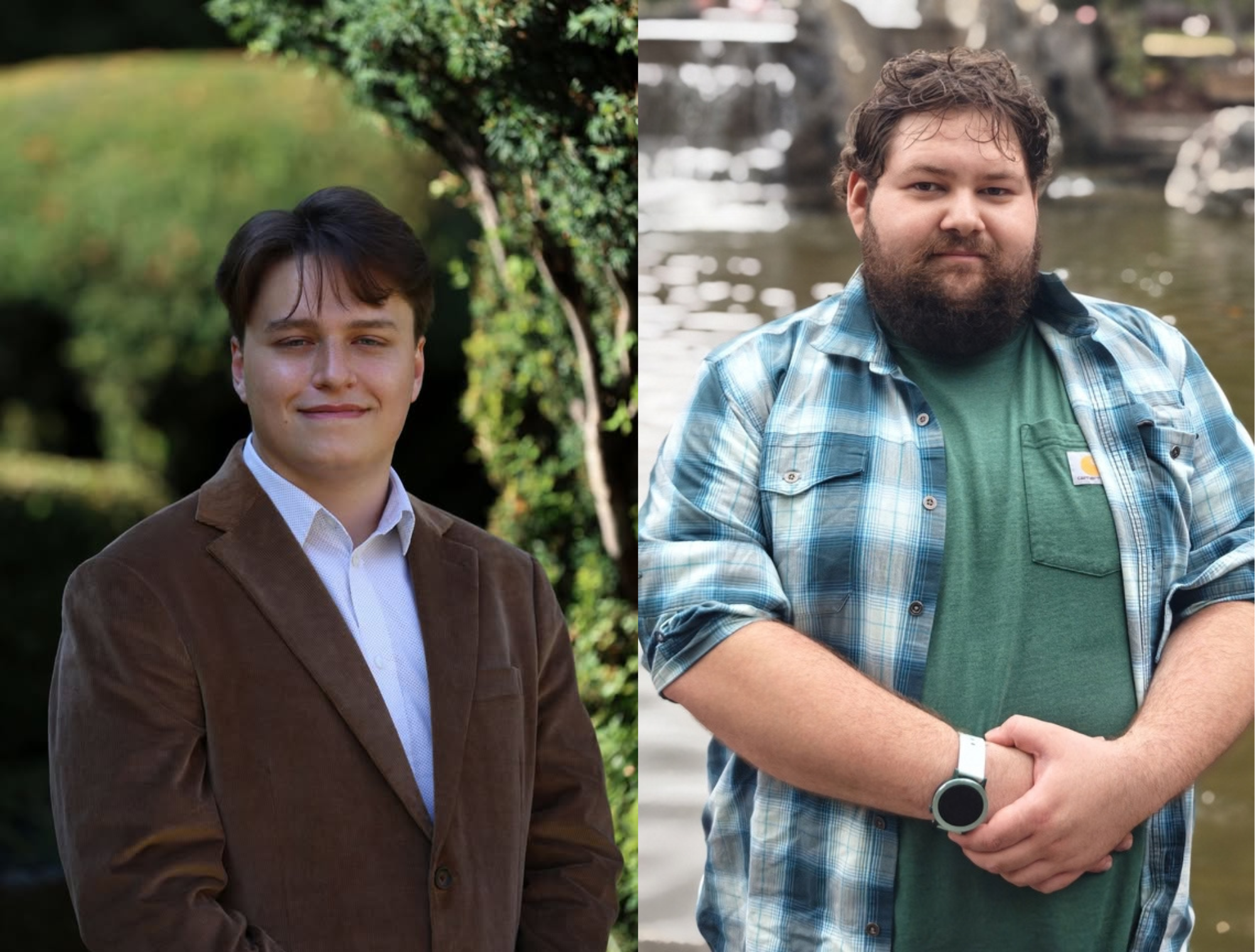
Finn Fairbairn (left) and Noah Fruttarol (right). Photos via https://finnfairbairn4saanich.ca and https://noahfruttarol.ca.
When eligible Saanich residents go to cast their vote later this month in the B.C-wide municipal elections, they will notice two upper-year UVic students on the ballot.
Finn Fairbairn and Noah Fruttarol, two upper-year UVic students in political science and computer science respectively, have thrown their hats in the ring as two of the 27 candidates seeking election to Saanich council.
While their platforms vary somewhat, both say that their key priorities include increasing the housing supply in Saanich through affordable and non-market housing options, and ensuring young people continue to have representation on council.
Fairbairn is president of the Victoria New Democratic Party (NDP) riding association, and has nine years of volunteer experience in municipal, provincial, and federal politics, including in the most recent NDP leadership race, he said in an interview with the Martlet. According to Fairbairn, the connections and relationships he formed in those years will help him work with other levels of government to affect meaningful change in Saanich.
Fruttarol is a teaching assistant and lab instructor at UVic, has served in student government as Computer Science student representative, and as an executive in the Engineering and Computer Science Students’ Society (ECSS). He has also worked in management in the service industry, and says this has given him valuable experience solving interpersonal problems and working under tight timelines. He told the Martlet he has four courses left in his degree, and is taking a reduced course load to campaign.
Fruttarol said he was inspired to run after being unable to secure housing, and having to move back in with his parents in Sooke temporarily, in Fall 2025. However, he currently lives in Saanich, where he has spent the majority of his adult life.
“I feel a lot of pride in this area, as well as a lot of empathy for other students who live here,” he said, describing conversations where students told him they want to continue living in Saanich after graduation, but are unable to afford it.
“I’ve yet to meet anybody who has explicitly told me, ‘Oh yeah, I’m just here for school, and there’s no way I’d want to stay here after.’”
Fruttarol wants to ensure future developments create space for more local businesses as well as housing supply, so opportunities to live and work in Saanich are more plentiful.
Fairbairn says he is working specifically to reach out to more young people and students as part of his campaign.
“What I found being engaged since then in municipal politics is that students and young people in general are really not involved in local politics. Turnout is already very low across the board. It’s extremely low among young people,” he said.
“You don’t see too many young people running really. So it’s extremely low, and I think that’s very unfortunate because frankly, people that are running for local office don’t feel they need to actually listen to students and actually fight for the concerns that students have.”
Saanich council has made a number of decisions in recent months that directly affect UVic students. Council voted in March to reject two advocacy resolutions — calling for the establishment of a provincial student food bank grant, and setting a flat $10 per day post-secondary student rate for BC Ferries — on the grounds they were “outside council’s jurisdiction.”
If approved, the motions would have seen Saanich bring the resolutions to the Association of Vancouver Island and Coastal Communities (AVICC) convention in May 2026. The resolutions were supported in other municipalities, like Oak Bay, and received broad support at the convention anyway.
More recently, Saanich council voted to reject a 349-unit housing development proposed for an area of Gordon Head near UVic, with one councillor expressing reservations about the “amount of density” the project would introduce, while others voted against the development due to it falling within a zoning gray area.
Fairbairn and Fruttarol both said they would have voted yes on the 349-bed housing development if they were on council. Fairbairn said he would have supported the advocacy resolutions, while Fruttarol said he likely would have, depending on how they were worded.
On advocacy to the province, Fruttarol said it is important to “pick your battles,” and that one issue he would prioritize if elected is the 510-bed UVic student housing expansion, which faces a five-year delay following the B.C. government’s 2026 budget. In May, Saanich council unanimously voted in support of asking the province to reinstate funding for the project in May.
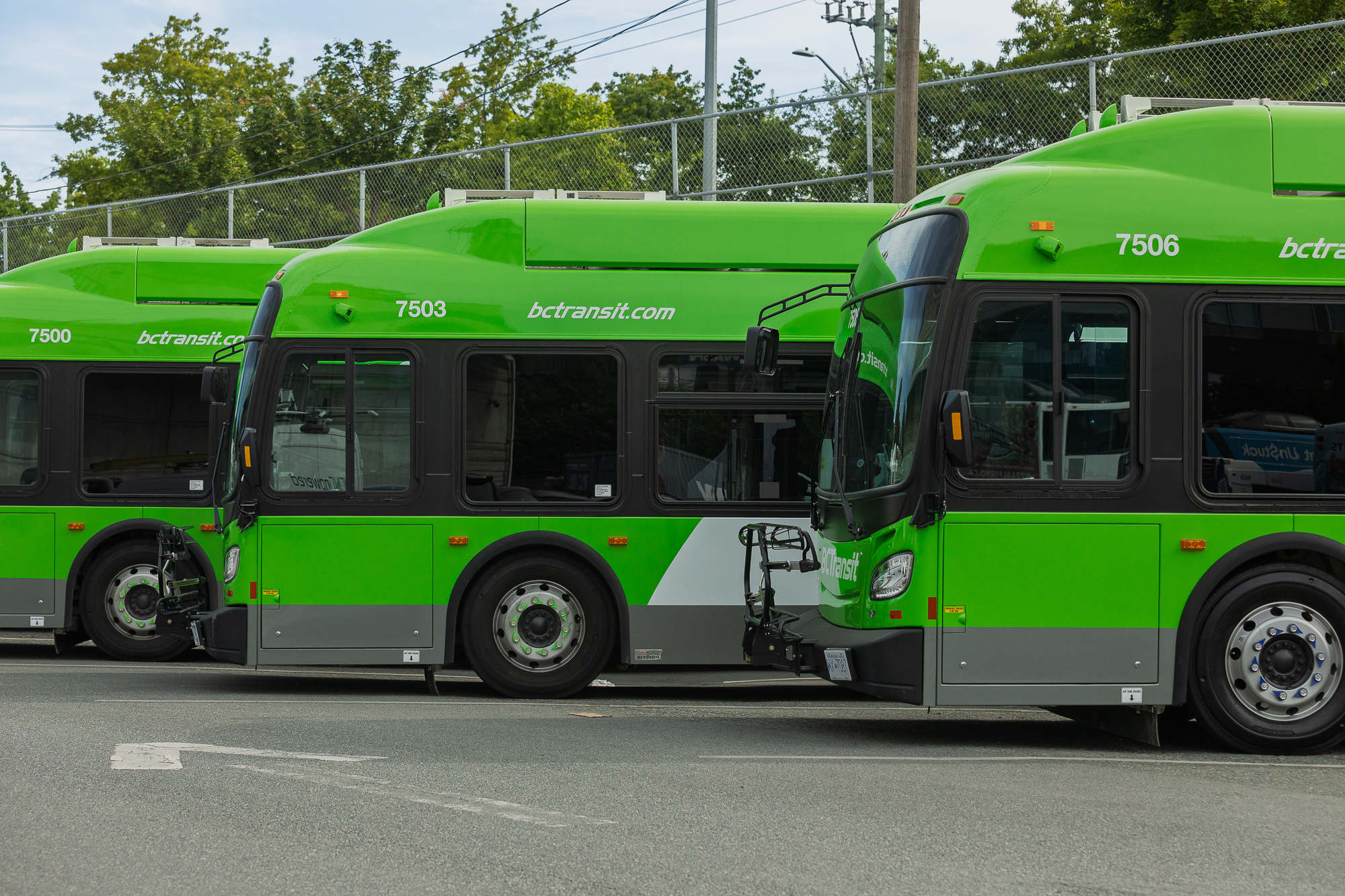
Transportation is another area both Fairbairn and Fruttarol want to improve as councillors. Fairbairn said he wants to expand public transit to areas that currently aren’t served by buses, and mandate all bus routes receive a bus every 15 minutes during daylight hours. He said achieving this will involve seeking more transit funding from the provincial government.
Fruttarol said that he wants to make it easier to live and get around in Saanich without needing a car. “A big [part of] affordability is allowing people [to] have access to alternatives,” he said.
“That doesn’t mean I want to take away your car. It just means I want to make it so you can live and thrive somewhere where, if you like a car, you can have a car.
“There’s no ‘car people,’ ‘bike people,’ ‘bus people’…. The vast majority of people are ‘what works best for me’ people,” he said. “It’s just about making it so the car doesn’t have to always be what works best.”
Climate and sustainability are also priorities for both candidates, they say. Fairbairn says he has been advocating for installing solar panels on municipal buildings and new apartments, as well as planting more trees, and says he is also advocating for replacements to aging infrastructure to use green options where possible.
Fruttarol pointed to efforts like the CRD’s Bowker Creek Initiative, which aims to protect and restore areas along the Bowker Creek watershed to address concerns of pollution and flooding, as well as decreasing reliance on cars where possible.
Voting for the 2026 local general elections will be held on Oct. 17. The elections will include voting for new mayors and councillors, regional district directors, school board trustees, parks boards, and the Islands Trust. More information on this year’s local general elections can be found at elections.bc.ca.